Money & Markets
Personal finance and investing in plain English
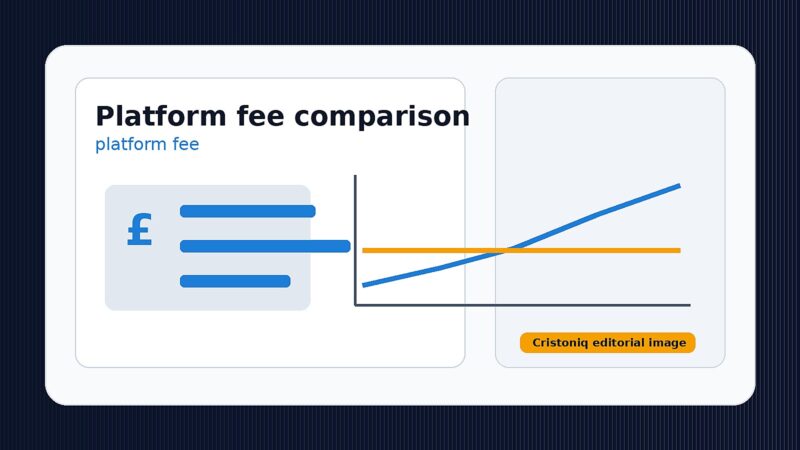
Platform Fee: Percentage vs Flat Fees Explained Simply
Wondering which platform fee suits your portfolio? This UK guide covers percentage and flat fees, with a worked example and…

When Leverage Unwinds: What the Archegos Collapse Taught the Market
The Archegos collapse showed how hidden leverage, margin pressure and forced selling can spread through markets faster than many investors…

From Drill Core to Decision Gate: The First Five Years of a Junior Miner
A junior miner reaches a real decision point through drilling, metallurgy, studies and financing discipline, not hopeful headlines alone.

Diversification myths: why owning more funds does not always mean less risk
Diversification is about correlation, not count. Learn why more funds do not always mean less risk, and what a better…

Index reshuffle day: why a FTSE promotion can move a share before anything changes
A FTSE promotion can move a share before anything changes in the business. The reason is index plumbing, not sudden…

The serial fundraiser: what three placings in three years actually do to your stake
Repeated placings do not just raise cash. They steadily change ownership, lower the reference price and test whether the original…

Time Horizon in Investing: Why Money You Need Soon Should Stay Out of Shares
Time horizon investing starts with one question: when will you need the money? That answer should shape whether it sits…

Why Sitting in Cash Can Quietly Cost You: Inflation and Long-Term Investing Risk
Cash feels safe, but inflation can quietly erode what it buys. Here is how to think about that risk as…

The activist short: how a research report becomes a weapon against a.
A plain-English Street Smart guide to activist short research report, with a composite example and practical checks for UK readers.

The night before the data: a biotech case study in two halves
A small-cap biotech readout is both a data event and a narrative event. This case study shows what to watch…