The tipster effect: why a share you read about has usually already moved
The tipster effect shows how thin shares can move before retail readers react. Learn what the pattern means and how to check the evidence first.
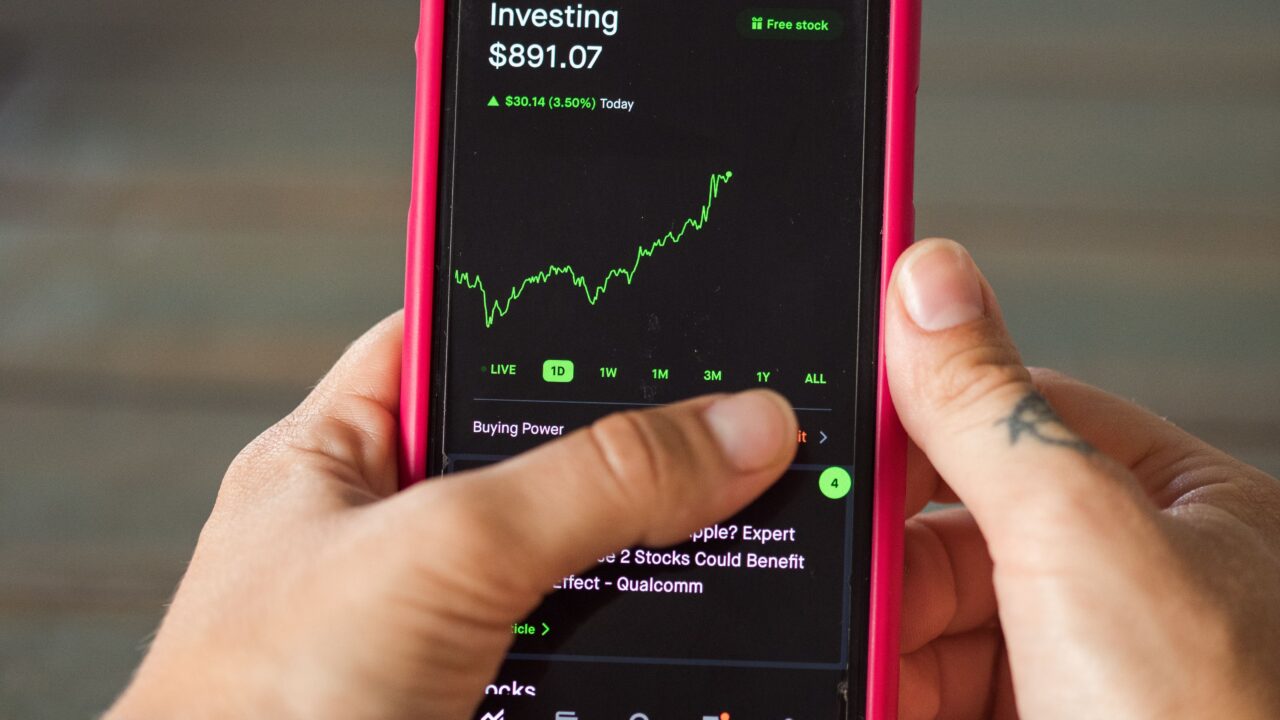
A sudden price fall can feel like the market knows something you do not. The Street Smart Trader reminds us that, in thinner shares, the first thing to ask is simpler: who is moving the price, and what might they be trying to do?
The Short Version
- A tree shake is a sharp move that can flush out nervous sellers or attract opportunistic buyers.
- The book’s Pete example is historical, but the underlying lesson about liquidity and incentives still matters.
- Do not treat a sudden Level II move as automatic proof of hidden news.
- Modern investors should separate company information from market structure noise.
What The Book Is Really Showing
The relevant Street Smart section follows a small-cap market maker through a volatile session. The detail is deliberately uncomfortable: the quoted price moves, the message boards light up, and traders watching the screen start inventing explanations before they have any evidence.
The useful lesson is not that every price move is a trick. It is that a quoted price is not a pure message from the company. In a thinner share, the quote can also reflect inventory, spread, order flow, liquidity and the dealer’s need to create a market.
The Historical Pete Scene
In the book, Pete is presented as a historical market-maker example from the pre-smartphone trading world. He is managing a position in a small-cap share, moving the quote lower, watching who sells, then marking the price back up as buyers appear.
That scene should be read as a dealer-side worked example, not as a current allegation about a named firm or platform. The numbers and screen behaviour belong to the book’s 2010 context. The concept that survives is the incentive problem: the person making a price may have motives that are not visible to the private investor watching the screen.
Why A Tree Shake Works
A tree shake works because it attacks confidence. A holder sees the price drop and wonders whether someone else knows something. A watcher sees the rebound and wonders whether they are missing a bargain. Both reactions can create the activity the market maker needs.
This is why the book’s sceptical City perspective matters. It asks the reader to stop treating the screen as a neutral narrator. The screen shows prices, but it does not explain motives. A falling quote may reflect bad news, thin liquidity, a wide spread, a seller in size, or a dealer trying to find the other side of a trade.
What Has Changed Since 2010
Private investors also face a faster rumour cycle than the book’s original audience. A sharp quote move can now be echoed through chat rooms, trading apps and social feeds within minutes, which makes it even easier to confuse repeated commentary with fresh evidence. Speed has changed the mood around a move, but it has not changed the basic discipline: price action still needs a source, a filing, or a balance-sheet reason before it deserves the weight of a conclusion.
The market structure around private investors has changed since the book was first published. The London Stock Exchange still describes SETS as its flagship electronic order book, while GOV.UK’s HMRC manual describes SETSqx as combining a limited electronic order book with a quote-driven facility. The point for the reader is not to memorise market plumbing. It is to understand that different shares trade through different structures, and the screen can mean different things depending on the venue and liquidity.
The current regulatory language also matters. The FCA’s best-execution work frames execution quality around the result firms obtain for clients, including price, costs, speed and likelihood of execution. That does not make every poor fill suspicious. It does mean execution is a real obligation, not a decorative phrase.
How To Read The Screen More Calmly
A calmer screen routine also means keeping a short checklist before you touch the dealing button. Note the last RNS date, the typical daily volume, the spread range you usually see and whether the company is due news on funding, drilling, contracts or results. If the move has no obvious link to any of those things, you are looking at a market event first and a company event second. That distinction can save you from turning somebody else’s urgency into your own mistake.
The practical response is to slow the decision down. Ask whether there is a company announcement, whether volume is unusual, whether the spread has widened, and whether the share is thinly traded enough for quotes to move around without much genuine information behind them.
That is not advice to trade through volatility. It is a way to avoid mistaking pressure for evidence. If the only reason for action is that the screen has moved sharply, the book’s warning is doing its job.
A Simple Example
Imagine a small company whose shares are usually quiet. The bid drops quickly, chat rooms start speculating, and a few holders sell because they fear bad news. Then the quote reverses and short-term buyers rush in. Nothing fundamental has changed, but the price action has created its own story.
The Street Smart lesson is to separate the story from the evidence. A genuine RNS, audited results or confirmed takeover approach is information. A sudden quote move is a signal to investigate, not a reason to surrender judgement.
What This Means For You
It also helps to decide in advance what would count as real evidence for you. A company statement through the RNS, a balance-sheet update, a contract with clear terms, or a trading update with numbers are all different from a fast message-board theory about why the price moved. If you separate those categories before the market gets noisy, you are far less likely to let a dealer-driven wobble rewrite your conviction for you.
If you invest in smaller UK shares, you are often dealing with less liquidity than the headline price suggests. That makes patience more valuable. Market orders, hurried decisions and panic exits can hand control to someone with better information about the order book.
The sensible habit is to know why you own a share before the screen starts moving. If your reason is still intact, a sharp quote move deserves investigation. If your reason was only momentum or a message-board tip, the tree shake has already found the weak branch.
In Plain English
A tree shake is the market’s way of testing who is nervous. The price move may be real, but the story you attach to it may be invented. Check the evidence before you act.
Related Reads
- Market makers: who they are and how they affect your trades
- Information, cost and position size: the first three rules every private investor needs to understand
- Two questions to ask before you trade on any piece of market news
Official context: London Stock Exchange SETS, GOV.UK on SETSqx and FCA best execution review.
This post is adapted from The Street Smart Trader. Used with permission.
Disclaimer: The value of investments can go down as well as up, and you may get back less than you invest. This article is for informational and educational purposes only and does not constitute financial advice. Always do your own research and consider seeking independent advice before making any investment decision.