Drone Delivery and Air Taxis: How Close Are We Really?
Drone delivery is real in narrow UK routes, but air taxis remain a longer certification and infrastructure story. Here is the gap in plain English.
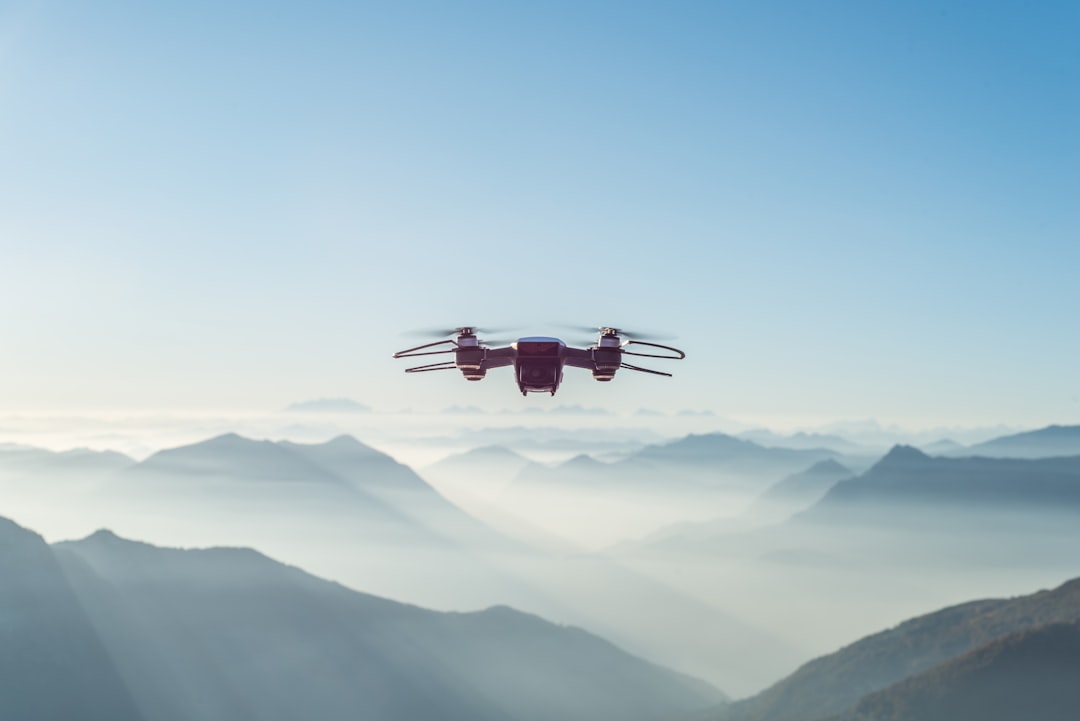
Unmanned aircraft keep edging into everyday logistics, yet the gap between a successful trial and a service you can rely on remains wide. In the UK, drone delivery is moving faster than most people realise, while passenger air taxis are still firmly in the demonstration phase. The picture is worth untangling carefully, because headlines tend to blur the two together.
The Short Version
- Drone delivery in the UK is real in narrow, practical use cases such as islands, remote routes and medical courier work.
- Air taxis are a separate technology and a much longer certification story, even when the headline language makes them sound adjacent.
- The bottlenecks are not only aircraft design. They are regulation, noise, operating economics, weather procedures and local acceptance.
- For most UK users, the first everyday benefits will be quiet infrastructure improvements rather than a sudden flying-taxi moment.
Where Drone Delivery Is Real Now
What is actually happening on British soil is a series of tightly scoped trials. Royal Mail has been running drone trials to the Isles of Scilly and to remote postboxes, using small vertical take-off aircraft to carry post and small parcels over short stretches of sea or thinly populated coast. These are useful tests, but they are not the same as a nationwide delivery network. They cover specific routes, with specific partners, under specific permissions from the Civil Aviation Authority.
The NHS has run its own medical courier work. In places like the Scottish Highlands and parts of rural England, drones have been used to move pathology samples, blood products and prescription medicines between hospitals, clinics and GP surgeries. The point is not speed for its own sake, but reliability. When a ferry is cancelled or a road is blocked by snow, a drone can shorten a four-hour round trip to under an hour, and it does not need a pilot on board.
None of this is science fiction. The aircraft involved are real, the routes are real, and the regulators have signed them off. What is less clear is how quickly these trials become ordinary infrastructure. The difference between a project and a service is the dull, unglamorous work of maintenance schedules, weather procedures, training pipelines, insurance products and local authority buy-in. That is where most transport innovations slow down.
For regulatory background, the CAA’s drone guidance and the UK government’s Future of Flight action plan help explain why a successful trial is only the start of a much larger operational job.
What Still Slows Rollout
To understand where the regulators stand, it helps to look at the Civil Aviation Authority’s approach. The CAA has long permitted beyond visual line of sight operations only in narrow circumstances, and only with specific risk assessments. Recent framework updates have begun to widen the door for routine BVLOS flight, which is the basic requirement for any scalable drone delivery service. Several consultancies and operators have been involved in sandbox programmes, testing detect-and-avoid systems and standard operating procedures.
What that means in practice is that a parcel firm can now, in theory, apply to run a regular drone route rather than a one-off trial. In practice, the approval process remains heavy, and the cost of building the supporting case is still high. Several large logistics players, including Royal Mail, have positioned themselves to be early movers once the regime matures, but none is promising a full commercial rollout in the next twelve months.
Consumer expectations also need to be set carefully. The drone that drops a parcel in your back garden is, for the moment, a film prop. Real UK delivery drones tend to fly point to point, from a distribution hub to a delivery point, where a courier then handles the last few hundred metres. The reason is simple: noise, privacy and safety concerns make it much harder to win permission for routine overflight of residential streets. Until community attitudes and noise standards settle, expect drones to replace only the leg of a journey that crosses awkward terrain, not the leg that lands on your doorstep.
Why Air Taxis Are Further Out
Air taxis are a different question entirely. The term covers electric vertical take-off and landing aircraft, often shortened to eVTOL, which are designed to carry passengers on short hops. Several named firms are developing aircraft that look like a cross between a small helicopter and a large drone, with multiple rotors, battery or hybrid power, and a cockpit or cabin for one to six people.
Names like Vertical Aerospace, Joby Aviation and Lilium have been widely covered. Vertical Aerospace is the most clearly UK-linked, headquartered in Bristol and working towards type certification. The company has run tethered and untethered hover tests and has built pre-production prototypes. Joby has done extensive flight testing in the United States and is working through the FAA certification pathway, with European engagement as a secondary priority. Lilium, meanwhile, has focused on a different design and has faced financial pressures, which has slowed its near-term prospects.
None of these firms is operating a passenger service today. All are working towards type certification, the long process by which a national aviation authority confirms that an aircraft design is safe for commercial use. For the UK, that pathway runs through the CAA, and the CAA has been building a regulatory framework for eVTOLs alongside its European counterparts. The process typically takes several years for a clean-sheet aircraft, and there is no public indication that any eVTOL will be certified for commercial passenger flight in the UK before the end of the decade.
That timeline matters for the question of whether you would use one. The first generation of certified air taxis is more likely to run on fixed routes between airports or vertiports than to offer on-demand city hops. In other words, the realistic near-term use case looks closer to a short, premium replacement for a regional airline connection than to a flying Uber. The economics of on-demand urban flight are difficult, because a single aircraft can only carry a handful of passengers, and the operating costs are high.
That makes the timeline easier to judge. A drone route for mail or medical supplies is an infrastructure problem with a visible business case. A passenger eVTOL service also has to prove certification, economics and public comfort at the same time.
What This Means For You
For most people, the honest answer is that drone delivery will arrive first, and even that will be felt as a quiet improvement rather than a daily novelty. Parcels to islands, urgent medical samples between hospitals, and perhaps spare parts to remote engineering sites are the most plausible early wins. If you live in a suburban street, you are unlikely to see a drone delivering your weekly shop within the next five years.
Air taxis sit further out. A reasonable mental model is to treat them like the early years of commercial aviation, when flights were short, expensive and reserved for a narrow market. The first commercial eVTOL services will probably be airport transfers, scenic flights or inter-city connections over water or congested terrain, priced for business travellers and well-heeled leisure users. Widespread everyday use is a longer-term prospect, dependent on certification, infrastructure, public acceptance and operating cost reductions.
There is also a wider question of how these aircraft fit into UK airspace. The CAA has been working on integrating unmanned and electric aircraft into the same managed airspace as conventional aviation. That is a significant technical and procedural task, and it is the sort of work that does not grab headlines but determines whether any of these schemes scale.
If you want a grounded way to follow the theme, pair this with Cristoniq’s pieces on what drone technology can actually do in the UK, 5G home broadband and satellite messaging on phones. They show the same pattern: real progress arrives in specific use cases long before it feels universal.
In Plain English
Drone delivery is getting closer in targeted UK routes. Air taxis are still much further from normal use, because the aircraft are only one part of the system that has to be made safe and economic.