Drone Technology: What You Can Actually Do With One in the UK
Drones are more accessible than ever. Here is what the UK rules actually say and what consumers and small businesses can realistically do with one.
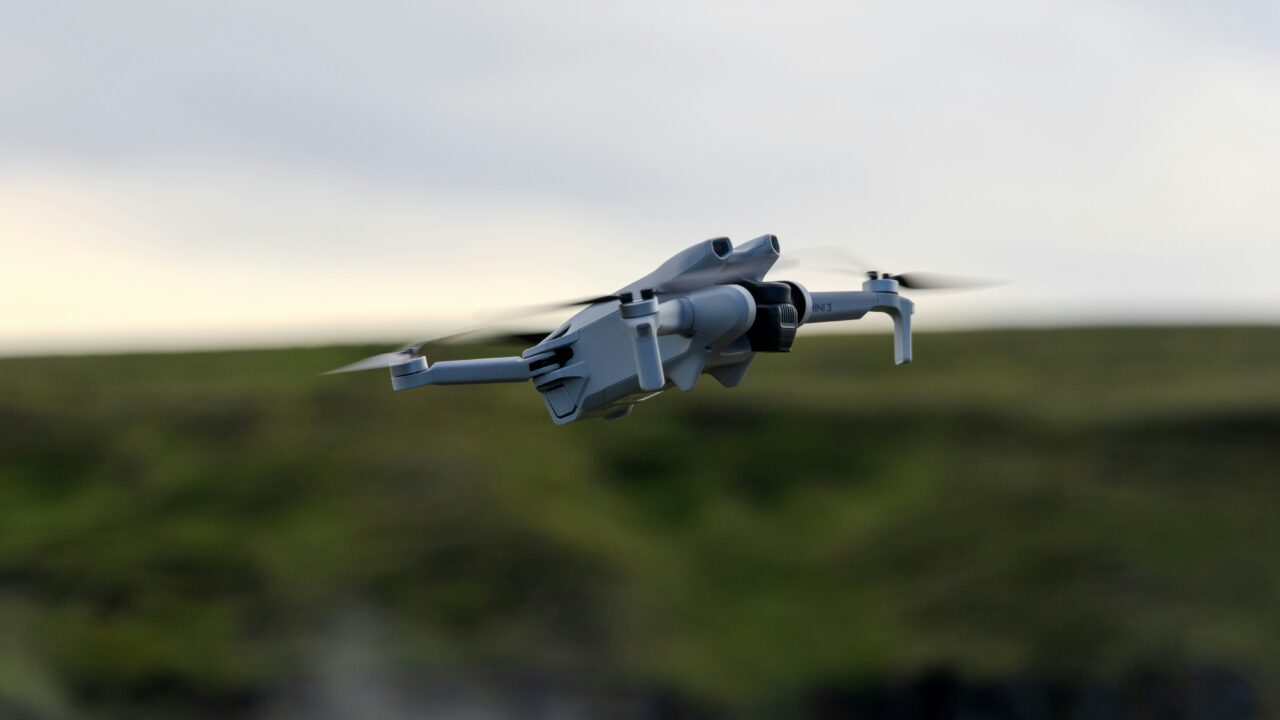
A few years ago, drones felt like toys for enthusiasts or tools for film crews with serious budgets. Drone technology in the UK has changed since then: the rules have been simplified and the hardware has become far more affordable. There are real reasons for consumers and small businesses to use drones now. Here is what you actually need to know.
UK drone rules: what you need to register and know
The Civil Aviation Authority regulates drone use in the UK. Its framework, introduced in 2020, brought clarity to what had been a confusing set of rules. There are three risk categories. The Open Category covers most hobby and light commercial use, and is the one most people will operate under.
Within the Open Category, you need either a Flyer ID or an Operator ID, and sometimes both. The Flyer ID requires a short online theory test, which most people pass in an hour. The Operator ID applies if you are flying commercially or if the drone weighs over 250 grams. It costs £9 per year and is easy to register for.
The flying rules matter more than the registration rules. You must keep the drone in your direct line of sight at all times. You cannot fly above 120 metres. You must stay at least 50 metres from people who are not part of the flight.
Near airports and restricted zones, stricter rules apply and some areas are off-limits entirely. There is also a Specific Category for higher-risk work, and a Certified Category for complex commercial use. Most people will never leave the Open Category. The CAA’s drone guidance pages are the best starting point before you buy anything.
What consumers use drone technology in the UK for
Most consumers have moved towards drones under 250 grams because lighter aircraft sit in a less restricted subcategory. They do not require an Operator ID for hobby use. The DJI Mini 4 Pro is the most popular option in this bracket. It weighs 249 grams and produces video quality that would have needed a professional crew not long ago.
Entry-level camera drones start at around £250. A mid-range model with a decent camera costs £500 to £800. The DJI Mini 4 Pro sits at the top of this range. Most buyers find that a budget of around £500 to £600 gets them a capable, practical machine.
The most common consumer use is aerial photography and video. Holiday footage, property shots, landscapes, and coastal images are all popular. The gap between a ground-level photo and an aerial one can be striking. People use drone technology in the UK to film building work, document their land, and shoot events when the right permissions are in place.
There is also a large FPV (first-person view) community, which is a different end of the market. FPV drones are smaller, faster, and harder to fly than camera drones. They have a racing circuit and a strong online following. The learning curve is steeper, but the cost of entry is lower.
A third area is agricultural and mapping use. Consumer drones can now produce detailed aerial maps and survey footage. Landowners, farmers, and planning consultants find this useful. The output is practical and the equipment is easy to use.
Where small businesses are finding value
For small businesses, drone technology in the UK has moved from novelty to working tool in several sectors. Aerial surveys are now standard for builders, architects, and land agents. A survey that once needed a specialist can now be done in-house. The GVC (General Visual Line of Sight Certificate) is the main UK commercial licence for drone work.
Real estate is another sector where UK drone technology has changed what is possible. Estate agents now expect aerial photographs as standard for larger or rural properties. A country home shown from above tells a different story than ground-level shots alone.
Agents who do not want to outsource can add a qualified operator to their team. This has become a realistic and cost-effective option for many agencies. The cost of the equipment has fallen enough to make the business case work.
Roof and building checks are a more specialist but useful case. Getting a drone up to inspect guttering, roof tiles, or solar panels is safer and faster than a ladder. The footage can be shared with clients or insurers. Surveyors, property managers, and landlords have adopted this approach widely across the UK.
Delivery is often cited as the big commercial frontier for drone technology, but it remains largely experimental in the UK. Amazon, Royal Mail, and logistics firms have run trials. Consumer drone delivery at scale is not yet a realistic tool for most businesses. The CAA rules needed to support this at scale are still being developed.
What to think about before buying
If you are a consumer interested in drone technology in the UK, start with the CAA registration pages before you spend anything. Knowing which category your drone falls into and what training is needed takes an afternoon. Most people who read the rules find them more workable than expected.
Consumer drone insurance is also worth considering. Some home insurance policies cover small drones and others do not. A standalone drone policy costs around £50 to £100 per year and covers third-party liability. This is sensible for anyone flying regularly in public spaces.
For small businesses, the key question is whether the use case justifies the cost of training as well as equipment. The GVC course typically costs between £500 and £1,500 depending on the provider. Add a drone and insurance, and the total cost is meaningful. The question is whether time saved on surveys or checks offsets that over a year or two.
For businesses doing this work monthly, the numbers usually work. For those with occasional needs, hiring a freelance drone operator is often the better call. Freelance operators are easy to find across most of the UK and typically charge by the half-day.
UK drone rules are still being updated. Airspace guidance is changing to allow BVLOS (Beyond Visual Line of Sight) operations. This will open up longer-range surveys and deliveries over time. If your interest is commercial, the changes are worth tracking.
The post on electric bikes and e-scooters in the UK covers how a once-niche technology has moved into everyday use. The post on solar panels for UK homes applies the same cost-benefit thinking to a different area where the numbers have shifted in recent years.
For consumers willing to spend a few hundred pounds on a decent drone and an hour on the CAA online test, the barrier is low. The results can be impressive. For small businesses where surveying, inspection, or photography is a regular activity, there is a genuine case for bringing drone technology in the UK in-house.
Most people either assume drone technology in the UK is heavily restricted, or assume there are no real rules at all. The reality is a workable middle ground. Understanding it before you buy makes the whole experience much simpler. The rules are there and they matter, but they are not the barrier most people expect.