Data centres: the hidden energy cost of digital life
Data centres give everyday digital services a physical energy cost. Learn how streaming, backups and AI use connect to power and cooling.
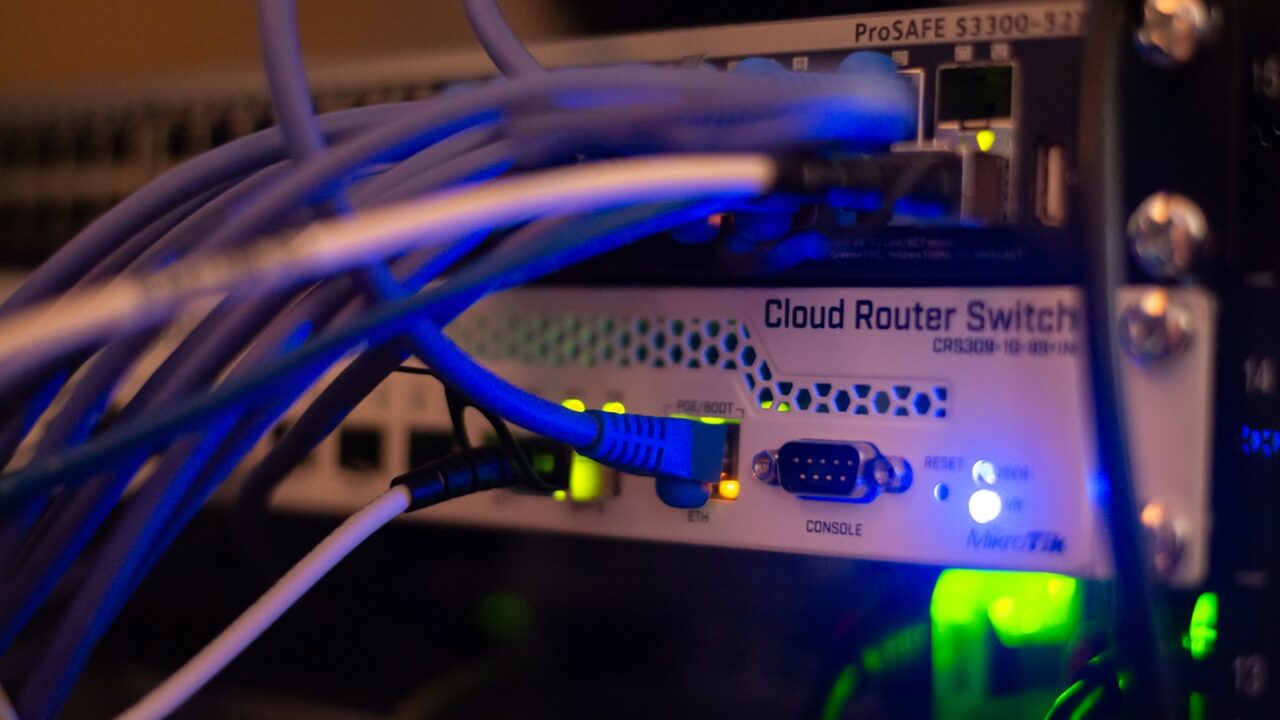
Your digital life feels weightless because the wires, buildings and power systems sit out of sight. Streaming a film, backing up photos and asking an AI tool a question all start on your device, but they finish inside real data centres that need electricity, cooling and grid capacity. The point is not to feel guilty about using the internet. It is to understand the physical system behind it.
The Short Version
Data centres keep cloud services, streaming platforms, payments, backups and AI tools running. They are becoming more energy intensive because more services are moving online and AI workloads need dense computing equipment. The International Energy Agency expects global data centre electricity use to roughly double between 2025 and 2030. For ordinary users, the useful lesson is not to stop using digital services, but to understand which habits create background demand and which choices are mostly symbolic.
Your Apps Live In Buildings
When people talk about “the cloud”, it can sound as if data has escaped the physical world. It has not. The cloud is a network of data centres: secure buildings filled with servers, storage equipment, cooling systems, batteries, backup generators and high capacity connections to the electricity grid and internet backbone.
That is why the UK government classed data centres as Critical National Infrastructure in September 2024. GOV.UK described them as buildings that store and process data from ordinary services, including smartphone photos, NHS records and financial information.
The hidden part is scale. A single household router uses little power. A phone charging on the kitchen counter uses little power. But the service behind that phone may be replicated across multiple data centres so it remains available when a server fails, a cable is damaged or demand spikes. Reliability costs energy because the system has to be ready before you ask for anything.
Why AI Has Changed The Debate
Data centres were already growing before generative AI became mainstream. Streaming, ecommerce, cloud software, online banking, gaming and photo backup all needed more capacity. AI has made the debate sharper because large models need dense computing racks that draw far more power than older server setups.
The International Energy Agency’s 2026 update says global data centre electricity demand grew by 17% in 2025, while electricity consumption from AI focused data centres grew by 50%. Its central projection has total data centre electricity consumption rising from 485 terawatt hours in 2025 to about 950 terawatt hours in 2030, around 3% of global electricity demand.
That does not mean every AI query is huge. The same IEA report says simple text queries now typically use less electricity than running a television for the same period of time. The bigger issue is what happens when usage grows and tasks become heavier, such as video generation, advanced reasoning and workflows that run many steps in the background.
Power Is Only Part Of The Story
Electricity is the main footprint, but it is not the only one. Servers produce heat. Heat must be removed. Cooling can be done with air, liquid systems, evaporative cooling or combinations of those methods. The environmental impact depends on the local climate, the energy mix, the cooling design, water availability and how efficiently the data centre is used.
Operator disclosures show why the details matter. Microsoft says its direct to chip cooling designs can save more than 125 million litres of water per facility each year. Google says its 2025 Environmental Report centres on energy, AI and resilience. These disclosures are useful, but they are not the same as a simple label on every service you use.
There is also a timing problem. A data centre may buy renewable electricity over a year, but the grid still has to meet demand hour by hour. If a data centre needs power in a constrained location, the practical pressure lands on cables, substations, backup capacity and planning decisions.
Why Location Matters
Data centres are not spread evenly. They cluster where there are fibre connections, available land, business customers, planning approval and enough grid capacity. The IEA warns that concentrated data centre demand can create local affordability and grid risks if new loads arrive faster than electricity infrastructure can adapt.
For UK readers, this is the important shift. The question is no longer only whether a tech company can build a faster model or a bigger cloud service. It is whether the local grid, water system and planning process can support the physical infrastructure behind those services. A project can be nationally useful and locally difficult at the same time.
That is also why arguments about data centres often become confused. One side talks about jobs, resilience and national competitiveness. The other talks about electricity prices, land use, water and noise. Both can be describing real effects. The better question is whether the costs are transparent and the site is suitable.
What You Can Actually Control
Most people cannot choose which data centre serves a streaming app or cloud backup. You also should not treat every online habit as a moral failure. Digital services can save travel, reduce paperwork and keep important records safe. The goal is proportion, not panic.
The habits that matter most are the ones that create repeated background demand. Automatic photo and video backups are useful, but keeping thousands of near identical screenshots, old downloads and duplicated videos in cloud storage means those files need to be stored, copied and protected. Streaming in the highest quality setting on a small screen may add data traffic with little visible benefit.
There is a practical middle ground. Keep backups for files that matter. Delete obvious duplicates. Download shows you use repeatedly when allowed. Choose standard video quality when you will not notice the difference. Be selective with AI tasks that generate long outputs, images or video when a short prompt would do.
A Worked Example
Imagine one ordinary evening: you stream an hour of television, your phone uploads photos from the day, and you ask an AI assistant to plan a weekend trip. None of those actions is extreme. The streaming service delivers video through networks and servers. The photo app stores and copies files for resilience. The assistant runs computation and returns the answer.
The visible electricity use in your home may be tiny: a television, a router and a phone. The invisible part is shared infrastructure. Your share is difficult to calculate because services pool resources across millions of users. Still, the mental model is simple. Streaming is continuous data delivery. Backups are storage plus duplication. AI can be light for simple text, but heavier for complex reasoning or media generation.
So the useful action is not to cancel the evening. It is to remove waste where there is no benefit. Do not keep every blurry video in cloud storage forever. Do not ask an AI tool to generate ten versions when one answer is enough. Small choices will not solve grid planning, but they help you understand where digital demand comes from.
What This Means For You
The next time a company says its service is cloud based, treat that as a physical claim as well as a software claim. Somewhere, a data centre is storing, moving or processing the information. Somewhere, electricity infrastructure is supporting it.
For everyday use, focus on high volume habits and repeated background activity. Storage you never clean, video quality you do not need, and automated syncing you never review are better targets than worrying about every message you send.
For public debates, be wary of simple claims from either side. Data centres are essential infrastructure, but essential infrastructure still needs honest planning, local scrutiny and clear disclosure.
In Plain English
The internet is not weightless. It runs on buildings full of computers, and those buildings need power, cooling and connections to the grid.
You do not need to stop using digital services. Just remember that cloud storage, streaming and AI are not magic. They are shared infrastructure.
Use what helps. Cut what is just digital clutter.
Related Reads
If you want to understand more of the infrastructure behind daily technology, start with our guide to smart meters and your data, then read how open banking app permissions work in practice. For safety habits, our explainer on public WiFi security rules is the natural next step. If the data trail worries you, read who sells your personal information in the UK.