Money & Markets
Personal finance and investing in plain English

A small-cap watchlist routine: how to follow stories without chasing them
A small-cap watchlist routine helps investors separate evidence from noise, compare milestones properly and slow down before chasing a story.
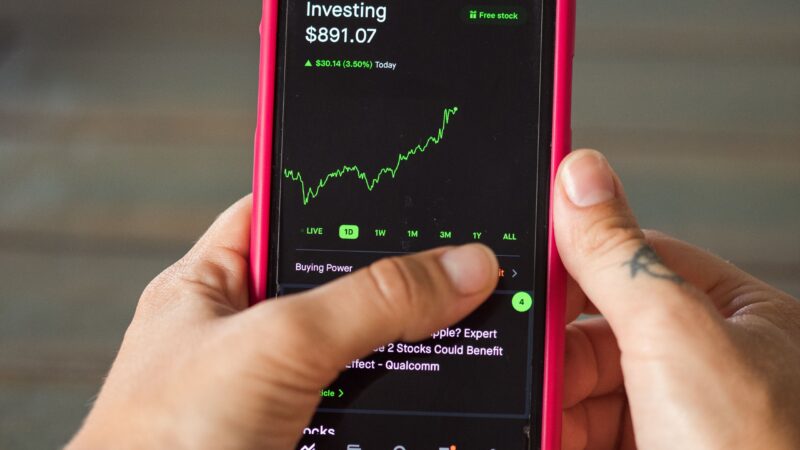
The tipster effect: why a share you read about has usually already moved
The tipster effect shows how thin shares can move before retail readers react. Learn what the pattern means and how…
Sequence risk: why timing matters when you start taking money out
Sequence risk can hurt retirement withdrawals when losses land early. Learn why timing matters, how cash buffers help and what…

Small-cap ETFs: easier exposure, different risks
Small-cap ETFs make access easier, but they do not remove small-cap risk. Learn what UK investors should check on index…

Agency front-running: when your order helps someone else go first
Agency front-running is the misuse of client-order information. Learn how it works, why thin shares make it harder to spot,…

Cash drag: how idle money changes your returns
Cash drag is the quiet cost of idle money in an investment account. Learn when cash helps, when it holds…

Case studies without hindsight: how to learn from small-cap winners and failures
Small-cap case studies teach more when you test each update against cash, milestones and evidence in real time rather than…

Wash trades and painting the tape: manipulation hiding inside the volume
Wash trades and painting the tape can make a small-cap share look busier than it is. Learn the checks private…

Home bias: why UK investors often own too much of what they know
Home bias can leave UK investors overexposed to familiar holdings. Learn how to spot the concentration risk and widen a…

Rebalancing a portfolio: why doing nothing sometimes needs a nudge
Portfolio rebalancing means bringing your mix back into line after markets move. Here is when to act, what it costs…