Liquidity trap: why the screen price may not be the price you get
A small-cap screen price is not always the price you get. This guide explains liquidity traps, spreads and practical order checks.
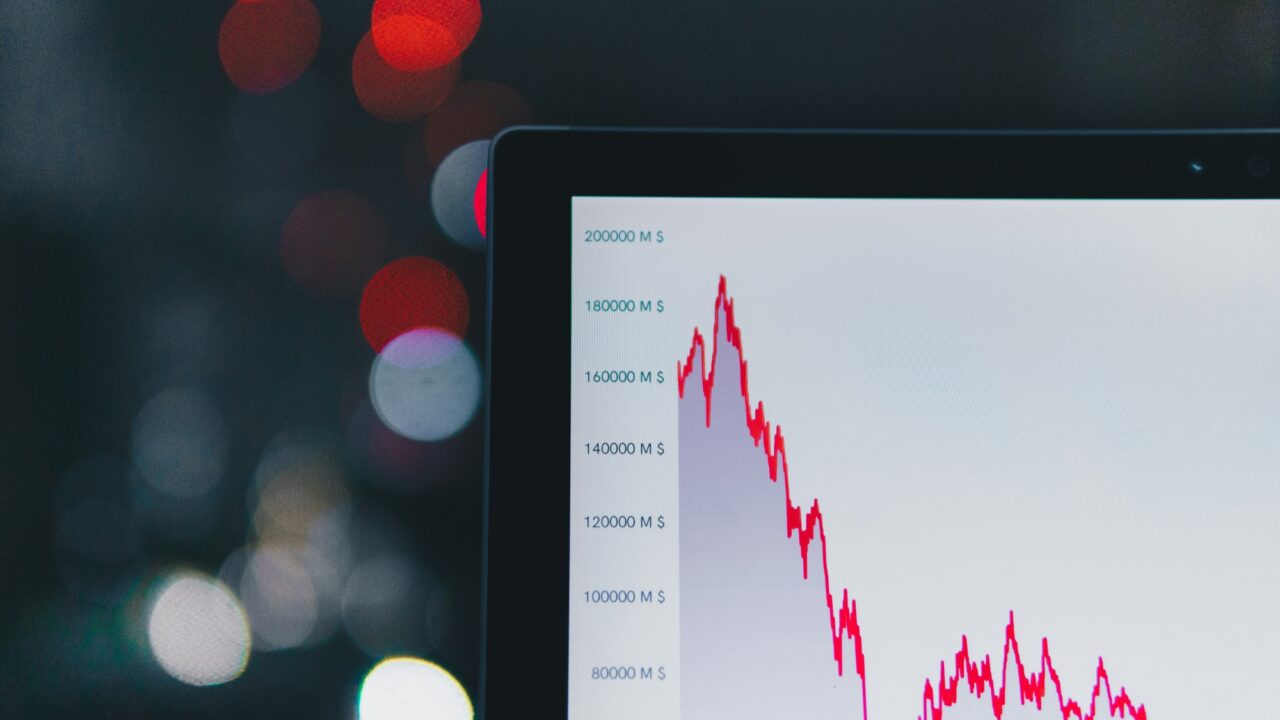
A small-cap screen price can look precise. In a thin market, it may be more like an invitation to test the market than a promise that your whole order will trade there.
The Short Version
- A liquidity trap happens when a share looks easy to buy or sell on screen, but real execution is harder.
- Small orders, wide spreads and thin order books can make the visible price misleading.
- The price you get depends on size, timing, venue, market maker quotes and whether other buyers or sellers are there.
- Use limit prices, smaller order sizes and patience before assuming the screen price is the real exit price.
What A Liquidity Trap Means
Liquidity is the ability to buy or sell without moving the price too much. A liquidity trap appears when the share price on screen makes a position look easier to trade than it really is.
This matters most in small-caps because the market can be thin. There may be fewer buyers, fewer sellers and a wider gap between the bid and offer.
The Little Book of Small-Caps point is practical: the share you can buy easily on a calm day may be much harder to sell on the day you need to get out.
The London Stock Exchange explains that direct access and order-book trading can make orders visible to the market and contribute to liquidity on its Direct Market Access page. The key lesson for ordinary investors is that liquidity is a market structure issue, not just a number beside a ticker.
Why The Screen Price Can Mislead
Most platforms show a bid price, an offer price and sometimes a recent trade. Those numbers are useful, but they do not guarantee your order will fill at that level.
A quote may be good for a small size only. If you try to buy or sell more than the available volume, the next slice of the order may need a worse price.
A recent trade can also mislead. It tells you what one buyer and one seller did at one moment. It does not prove that the same price is available now for your order size.
This is why paper profits in illiquid shares can feel larger than real profits. The quoted price may mark the position up, while the exit route remains narrow.
Spreads Are The First Warning Sign
The spread is the gap between the buying price and selling price. In a liquid large-cap share, the spread may be tiny. In a small-cap, it can be wide enough to matter immediately.
If the offer is 105p and the bid is 95p, you may be down close to 10 percent the moment you buy, before the company has done anything wrong.
A wide spread is not always a reason to avoid a share. It is a cost and a risk to include in your decision.
The wider the spread, the more careful you should be about position size, time horizon and whether the investment case needs quick exits.
Order Size Changes The Price
Liquidity is not just about whether any trade can happen. It is about how much can trade before the price changes.
A GBP 1,000 order may fill easily. A GBP 25,000 order in the same share may move the market or trigger a quote that is much worse than the screen suggested.
This is one reason small-cap investors can get trapped after bad news. Everyone sees the same announcement and wants to sell into a market with few buyers.
The smaller the company and the thinner the trading volume, the more your own order becomes part of the price story.
Why Liquidity Can Vanish
Liquidity is often best when you do not need it and worst when you do. Bad news, delayed results, funding pressure or sector fear can make buyers step back.
Market makers may still quote, but the size available can shrink. Online quotes may be rejected. The platform may ask you to place a negotiated order or call a dealer.
None of this means the market is broken. It means liquidity has a price, and that price can rise sharply when risk increases.
The trap is assuming that because you entered the position easily, the exit will be just as easy.
A Worked Example
Imagine a small-cap share shows 42p to sell and 45p to buy. You buy GBP 5,000 at 45p and the platform fills the order quickly.
A month later the company issues a weak update. The screen now shows 34p to sell and 38p to buy, but your GBP 5,000 sell order does not fill online. The real executable price for your size is lower.
Your loss is not only the fall from 45p to 34p. It may include the wider spread and the worse price needed to get out quickly.
That is the liquidity trap: the visible price made the position look more tradable than it was.
What This Means For You
Before buying a small-cap, check the spread, recent volume and whether your intended order size is large compared with normal trading.
Use limit orders where possible so you define the worst price you are prepared to accept. A limit order may not fill, but it stops a market order from chasing a price you did not intend.
Do not build a position so large that you could not exit sensibly if the story changed. In small-caps, position sizing is part of risk control.
If a platform rejects an online quote, treat that as information. It may be telling you the visible price is not deep enough for your order.
Patience can help. Splitting an order, waiting for more volume or using a lower-risk position size may be less exciting than acting instantly, but it can stop the screen price from fooling you.
Also check liquidity before the trade, not only when you want to sell. Look at several days of trades, not just the last price. If the normal daily value traded is tiny compared with your intended position, your exit plan needs to be more conservative.
Liquidity risk should change valuation too. A share that looks statistically cheap may deserve a wider margin of safety if getting out would be slow or expensive. The harder the exit, the more patient and selective the entry needs to be.
The final test is emotional as well as technical. If you would panic when an online quote disappears or a spread widens, the position is probably too large for the liquidity available.
In Plain English
A small-cap screen price is not always the price you can actually get. Liquidity, spread and order size decide how easy the trade really is.
Disclaimer: The value of investments can go down as well as up, and you may get back less than you invest. This article is for informational and educational purposes only and does not constitute financial advice. Always do your own research and consider seeking independent advice before making any investment decision.
This post is adapted from The Little Book of Small-Caps. Used with permission.