Wearables 2026: what smartwatches really do
A plain English guide to wearables 2026, smartwatch health features, battery life, privacy and what UK buyers should check.
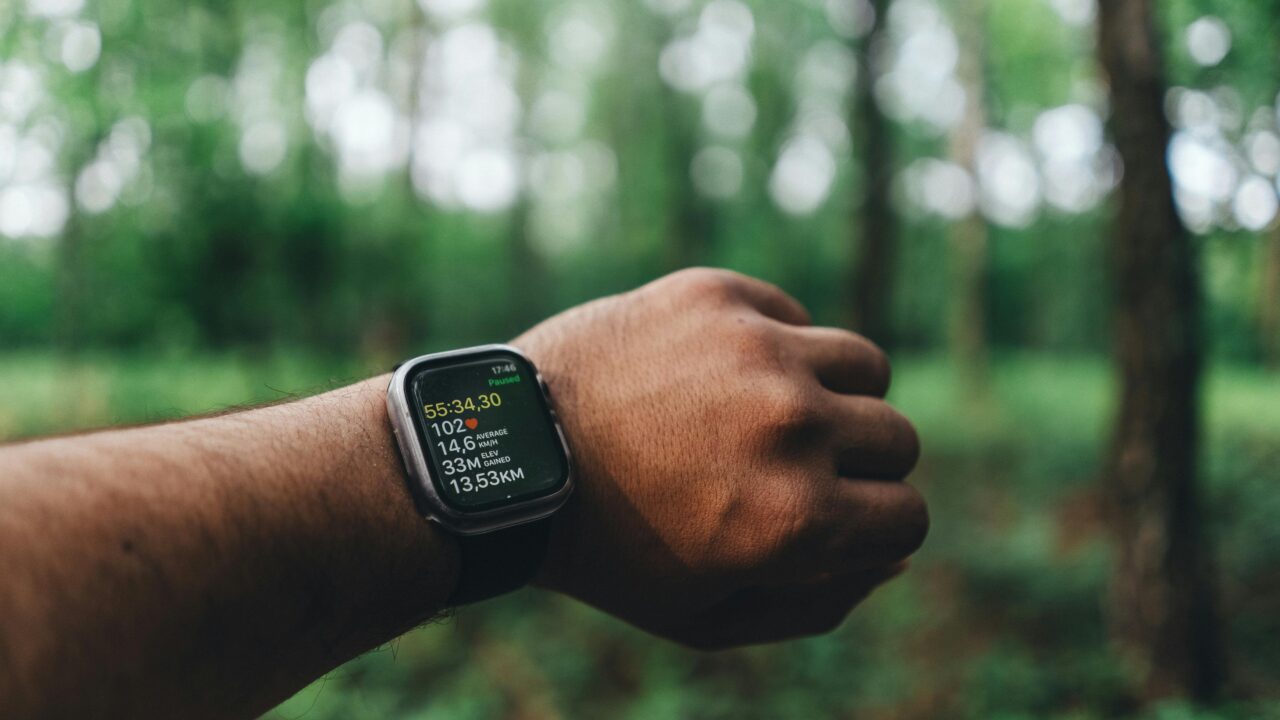
Wearables 2026 are better than the fitness bands of a decade ago, but they still need a clear-eyed read. A watch can nudge useful habits. It cannot understand your health better than a clinician.
The Short Version
- Wearables 2026 are best for trends, reminders and convenient phone-free checks.
- Heart rate, steps and sleep trends are useful, but they are not medical diagnoses.
- Battery life and comfort matter more than a long feature list.
- Privacy settings deserve attention because these devices collect sensitive body data.
- Buy for the habits you will keep, not for features you will ignore.
What wearables 2026 are good at
Wearables 2026 are good at passive tracking. They sit on your wrist and collect movement, heart rate and sleep signals.
That makes them useful for habits. You can see whether you moved more this week, slept worse, or trained harder than planned.
They are also good at small prompts. A reminder to stand, breathe, drink water or start a walk can help if you respond to nudges.
The NHS App shows the direction of travel for digital health in the UK. But a consumer watch still sits outside clinical advice.
The best use is comparison against yourself. Your own baseline is usually more useful than a score from someone else’s routine.
If a device helps you spot a pattern, it has done something useful. If it only creates guilt, it may be the wrong tool.
Where smartwatches still fall short
Wearables 2026 can make health data feel more exact than it is. A neat chart can hide messy measurement.
Step counts are usually good enough for trends. Sleep stages, stress scores and recovery scores need more caution.
The device sees signals through sensors and software. It does not know whether you drank coffee late, felt anxious, or slept badly because the room was hot.
Treat the numbers as clues. If something worries you, use it as a reason to seek proper advice.
Accuracy also changes by person. Skin tone, tattoo placement, wrist size and strap fit can affect optical sensors.
That does not make the device useless. It means one odd reading should not outweigh how you feel.
Battery life changes daily use
Battery life is not a small feature. It decides whether the device becomes a habit or lives in a drawer.
A watch with every feature switched on may need charging often. A simpler tracker can last much longer.
That difference matters for sleep tracking. If the device charges overnight, it cannot measure your night.
For many people, the best choice is not the most powerful model. It is the one they can wear without thinking about it.
Charging style matters too. A proprietary cable is easy to lose, while standard charging can make travel simpler.
If you already charge a phone, headphones and a laptop, another daily charger may become annoying quickly.
Health features need plain limits
Wearables 2026 often include heart alerts, blood oxygen estimates, temperature trends and cycle tracking. Some features can be genuinely useful.
The limit is diagnosis. A consumer wearable may spot an unusual pattern, but it should not replace medical judgement.
The MHRA regulates medical devices in the UK. That distinction matters when a product makes health claims.
Look for clear wording from the manufacturer. If the feature is for wellness only, do not treat it like a medical test.
This is where marketing can blur the line. A feature can be helpful and still be less certain than the advert suggests.
If you use a wearable because of a health condition, involve a qualified professional in how you interpret the data.
Privacy is part of the purchase
Wearables 2026 collect intimate data. That can include movement, heart rate, sleep, location and sometimes reproductive health information.
Before buying, check what data leaves the device and where it goes. Also check whether you can delete old records.
The ICO says smart devices often share personal information. Its internet of things guidance explains why privacy needs attention.
The privacy question is simple. Would you still buy the device if you understood the data trade clearly?
Look for controls over location, health sharing and advertising. Also check whether family accounts expose more data than you expect.
A cheap device can be expensive in another way if the business model depends on collecting more than you realised.
Read the default settings, not only the box.
How to choose without overbuying
Start with the habit you want. If you want running data, GPS and heart zones matter. If you want reminders, a simpler device may be enough.
Screen size matters if you read messages. Comfort matters if you sleep with the device on.
Our guide to choosing a smartphone in 2026 uses the same rule. Match the device to the job, not the marketing sheet.
Also check the app. A good sensor can feel poor if the companion app is confusing, locked down or full of upsells.
Think about the phone you already use. Some watches are much better inside one phone brand than outside it.
That lock-in is not always a problem. It is a problem if you expect to switch phones soon.
A Worked Example
Imagine you want a device to help with better sleep and more daily walking. The expensive smartwatch looks tempting.
Now check your real need. You may not need calls, apps, music storage or a bright always-on screen.
A cheaper tracker with long battery life may do the job better. It can stay on your wrist for sleep and still count steps all week.
Now imagine you train for races. GPS accuracy, heart zones and exportable workout data matter more.
That example shows the main rule. Wearables 2026 are personal tools, so the right device depends on the routine.
The same logic applies to children and older relatives. Simple alerts can help, but only if the person wants the device.
A wearable that feels like surveillance will not build trust. It may simply stop being worn.
What This Means For You
Buy a wearable for a real habit, not for a future version of yourself. The best device is the one you will keep wearing.
If health tracking is the reason, understand the limits first. A useful alert is not the same as a diagnosis.
If privacy matters to you, read the settings before the return window closes. Some data choices are easier to make early.
For another practical device choice, our post on whether smart speakers are worth having uses the same useful-versus-gimmick test.
Wearables 2026 are worth considering when they reduce friction. They are not worth much if they only add another screen to manage.
In Plain English
Wearables 2026 can help you notice patterns in movement, sleep and exercise. They cannot explain your whole body.
Choose one if it supports a routine you already want. Skip it if you only like the idea of having more data.