Smart speakers: are they worth having?
Smart speakers compared for UK homes, including Alexa, Google, HomePod, privacy, sound quality and the everyday tasks that matter.
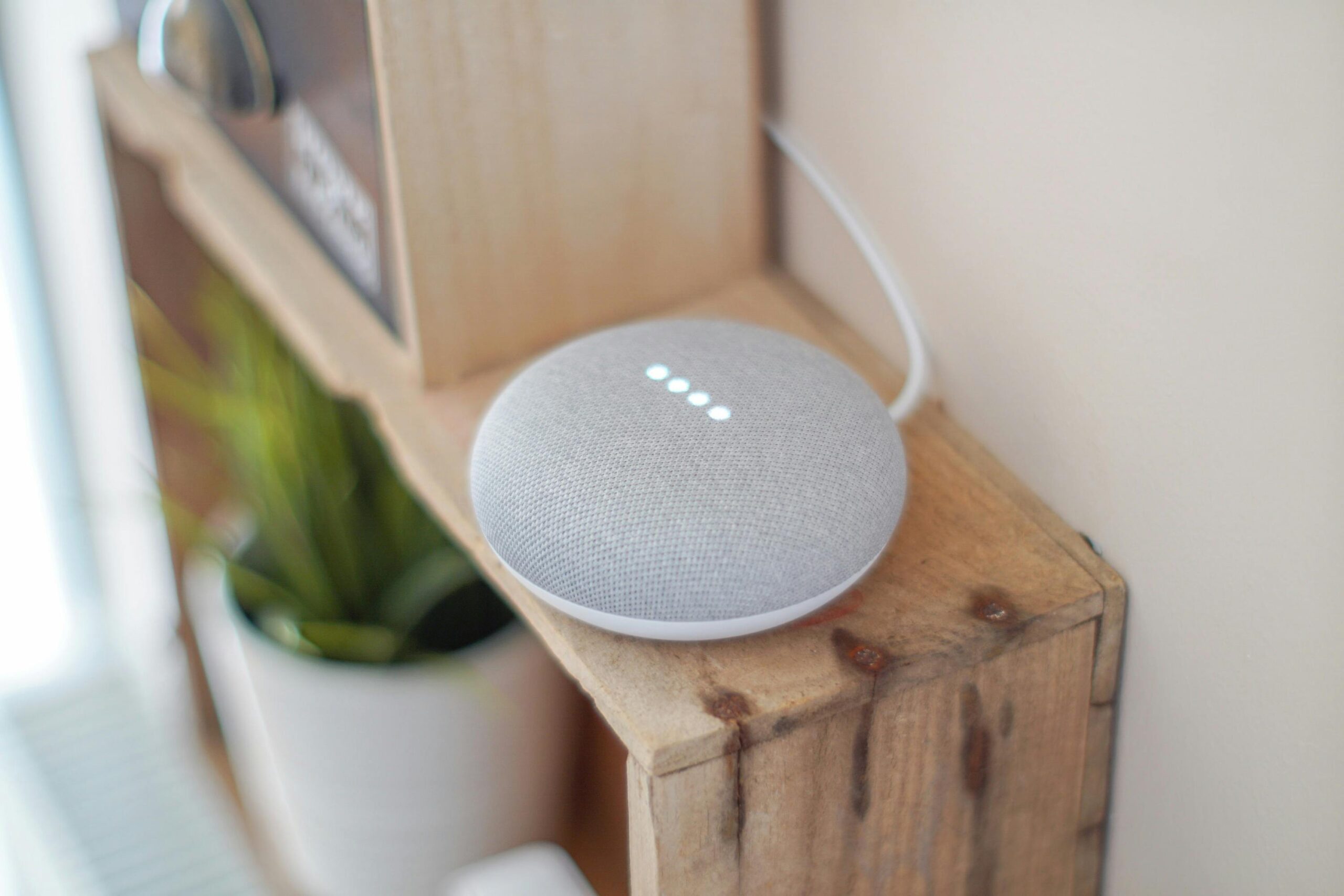
Smart speakers are useful when you treat them as simple voice-controlled helpers. They are less convincing when you expect them to become the brain of your home.
The Short Version
Smart speakers are worth having if your expectations are modest and your home already fits one of the big voice systems.
- Amazon Echo is the easiest low-cost starting point for most UK homes.
- Google Nest speakers suit people who already use Android, Gmail, Calendar and Google Home.
- Apple HomePod makes most sense for households built around iPhone, Apple Music and HomeKit.
- Privacy settings matter because these devices wait for a wake word and send requests to cloud services.
- Do not buy one expecting a perfect smart home. Buy one for timers, music, lights and quick answers.
What smart speakers actually do well
Smart speakers are best at small tasks that would otherwise make you reach for a phone. That includes timers, alarms, weather, radio, podcasts and basic questions.
They also work well for simple home control. Saying a light name is often easier than opening an app, finding the room, and tapping the right tile.
Music is the other clear use. A small speaker in a kitchen, bedroom or office can be enough for radio and playlists. Bigger models can sound much better.
Amazon explains that Echo devices listen for a wake word before sending a request to the cloud in its Alexa device privacy FAQ. That design is central to how voice control works.
How Amazon Echo, Google Nest and HomePod compare
The Amazon Echo range is the easiest way into smart speakers. It is often discounted, widely supported, and broad enough for lights, plugs, music and shopping lists.
Google Nest is stronger if you live in Google’s world. Calendar, Maps, Chromecast, Android phones and Google Home all make the speaker feel more connected.
Google says the Nest Audio includes Google Assistant, Chromecast built in, Bluetooth 5.0 and Matter support in its official Nest Audio specs. That matters if your home is already based on Google Home.
Apple HomePod is the premium option. It is best for sound quality, AirPlay, HomeKit and Apple Music. It is weaker if your household mixes platforms.
Apple lists HomePod and HomePod mini as Siri-based speakers for music and smart home control on its UK HomePod page. The catch is that the Apple fit matters more than the speaker alone.
The privacy question
Smart speakers raise a fair privacy question because they sit in shared spaces. They are not recording every ordinary conversation in the simple way people fear.
Even so, they do process voice requests. They also keep account settings, device history and service links. That is enough reason to check the privacy menus.
The practical choice is not fear or blind trust. It is whether the convenience is worth having a listening device in the room.
Use the microphone mute button when you want certainty. Delete voice history if you prefer less stored data. Avoid putting the speaker where private calls happen.
This is also a good time to review account security. Our guide to password managers explains why shared home accounts need strong, unique passwords.
The smart home limit
The smart home pitch sounds simple. Buy smart speakers, add a few bulbs and plugs, then control everything by voice. Real homes are messier.
Devices may use different apps, standards and account links. Wi-Fi can be weak. A family member may rename a device, move a plug or change a routine.
Matter support helps because it is meant to improve compatibility across brands. It does not remove every setup problem or every app account.
Start small. One speaker, one room and one job is enough. A kitchen speaker that handles timers and lights can be more useful than a complicated whole-home setup.
If your phone is the main controller, the setup still matters there. Our guide to smartphone settings worth changing covers the basic habits that make connected devices less annoying.
The sound and price test
Sound quality depends on size and price. A cheap smart speaker is fine for speech, radio and background music. It will not replace a good hi-fi.
A mid-range speaker can be enough for a kitchen or bedroom. A stereo pair can improve music, but the cost starts to look less casual.
Price also depends on the services you already pay for. Amazon Music, Spotify, YouTube Music and Apple Music do not all behave the same way across devices.
Before buying, check your preferred music service, your phone, and your smart home devices. Smart speakers feel better when they fit what you already use.
Also check the room. A speaker beside a kettle, extractor fan or television may hear you badly. A speaker in a hallway may annoy everyone.
Think about who will use it. Children, guests and less technical relatives need simple room names and obvious routines. Clever setups often fail because people forget the exact command.
This is similar to choosing other everyday tech. Our guide to tablets vs laptops explains why the boring habit test beats the shiny feature list.
A Worked Example
Imagine a family that uses iPhones, Apple Music and a few HomeKit lights. A HomePod mini in the kitchen may make sense despite the higher price.
The same family may be disappointed by a cheap Echo if their music and home control live inside Apple services. The speaker is not bad. The fit is wrong.
Now imagine a mixed household with Android phones, Spotify and low-cost smart bulbs. An Echo or Google Nest speaker is likely to be easier and cheaper.
The test is not which brand has the longest feature list. It is which one you will use without teaching the household a new system.
For most people, the first smart speaker should be a test purchase. Put it in one room. Use it for a month. Then decide whether the habit has stuck.
What This Means For You
Buy smart speakers for jobs you already know you want done by voice. Timers, radio, music, lights and reminders are realistic. A fully intelligent home is not.
Choose the speaker that matches your phone, music service and smart home kit. Switching systems later can be awkward, so the wider fit matters.
Check the mute button, privacy settings and account controls on day one. If that feels uncomfortable, the product may not be for your home.
The best smart speakers disappear into daily routine. The worst ones become another device to troubleshoot.
There is no shame in deciding the phone is enough. Voice control is useful only when it removes friction. If it creates new setup work, wait.
In Plain English
Smart speakers are handy voice remotes for music, timers, lights and simple questions. They are not magic home managers.
Most UK homes should start cheap unless sound quality or Apple integration matters. If you use the device every day, it was probably worth buying.