AI at Work
Practical AI at work guidance for everyday users, covering tools, workflows, risks and real examples explained in plain English.

Building Better Checklists From Real Work: A Practical Office Guide
A practical framework for building better checklists from real work, with clear actions, documented exceptions, human review and cautious AI…

The Anti-Hallucination Habit: Keep a Source Box Next to Every Draft
Use the anti-hallucination habit to build a source box, expose evidence gaps and verify factual claims before publishing AI-assisted drafts.

Using AI to Spot Missing Stakeholders and Second-Order Effects
Learn a cautious method for using AI to spot missing stakeholders, frame second-order-effect questions and support accountable human review.
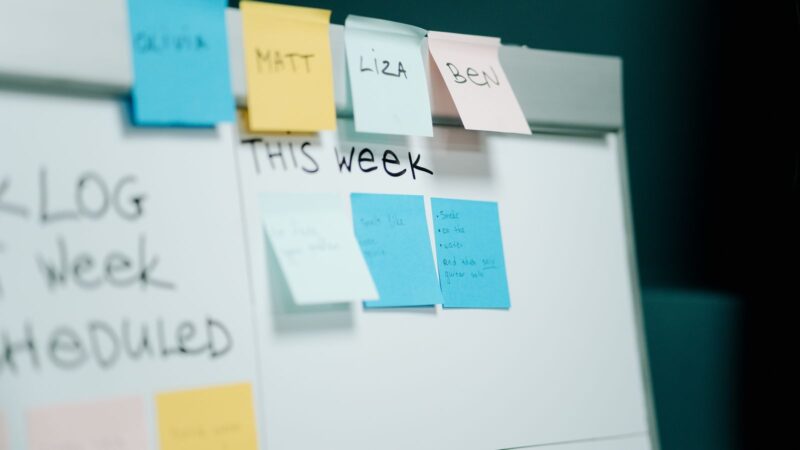
A Weekly Update Structure for Clearer Project Status Reports
Learn how to write a weekly project status update that leads with status, separates outcomes from next steps and makes…
AI for Vendor Emails: Firm, Clear and Hard to Misread
Use AI for vendor emails to write clear supplier messages while protecting deadlines, scope, authority and trust with a practical…

AI Workflow Adoption: How to Choose a Workflow That Will Actually Stick
Learn how AI workflow adoption can help small teams choose bounded tasks, add human checks, assign ownership, test results and…

3 Edits That Stop AI Word Salad Before You Send It
You open a draft from your AI assistant. It reads smoothly. It sounds confident. And yet, after three paragraphs, you…
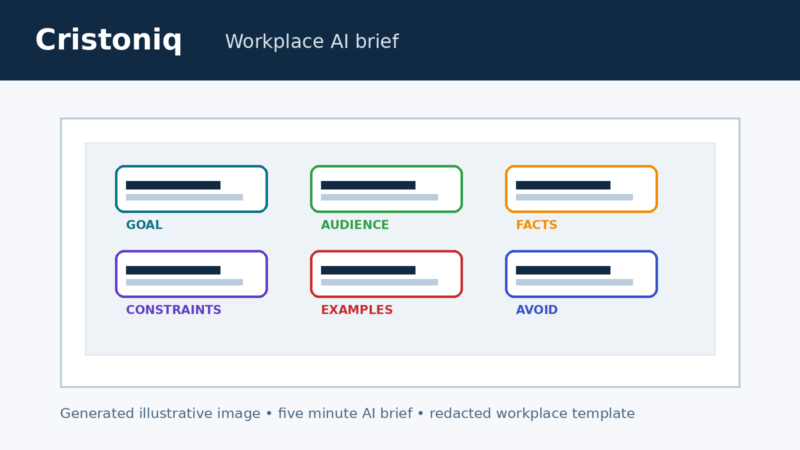
The 5 Minute AI Brief: Get a Useful First Draft
An AI brief helps teams get a better first draft with less oversharing. Learn the six parts, review checks and…

Fairer performance feedback starts with evidence, not AI judgement
AI can help draft performance feedback from your notes, but it should not judge people, invent evidence or override policy,…

Is the paid version of an AI tool worth it?
Teams often upgrade to paid AI tiers too early. Keep spend justified by testing outcomes, owner review, privacy controls and…