AI at Work
Practical AI at work guidance for everyday users, covering tools, workflows, risks and real examples explained in plain English.

When AI images are safe to use at work
AI images can help teams work faster, but they need a simple safety routine: check rights, context and audience before…

AI Meeting Transcription Needs Consent First
AI transcription can make meetings easier to review, but convenience is not enough. Teams need clear consent, privacy limits and…

Why AI Sounds Confident But Wrong at Work
AI can sound certain even when the evidence is thin. Learn how to check sources, preserve caveats and verify workplace…

When to Disclose AI Use at Work
AI disclosure at work does not need drama. The real test is whether AI materially shaped the work, the trust…

AI tutor at work: practise without overtrusting it
An AI tutor can help teams practise workplace skills, but only when approved sources, privacy checks and human sign-off stay…

When AI Is the Wrong Tool at Work
AI is sometimes the wrong tool at work, especially when privacy, authority or final decisions are involved. Here is how…

When to Push Back on AI Answers
AI answers are not all worth polishing. Learn when to challenge the output, when to rewrite the prompt and when…

Write Better Work Proposals With AI
AI proposal writing can speed up a first draft, but teams still need human review to check evidence, scope, privacy…
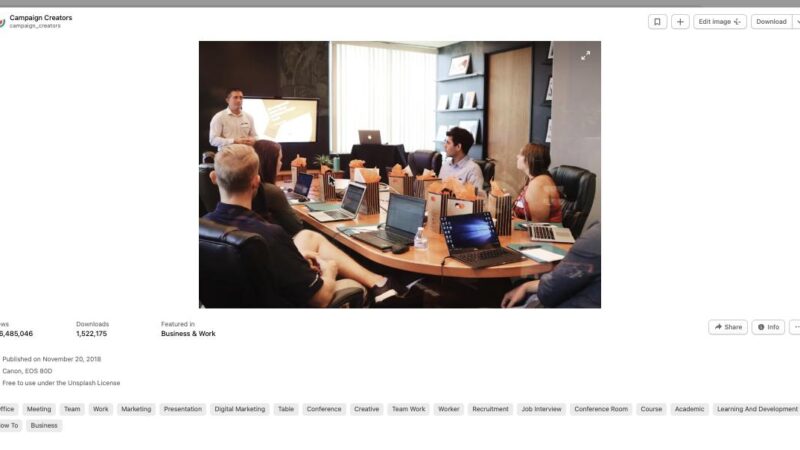
Build Work Presentations With AI That Say Something
AI can help draft a work presentation quickly, but the useful deck still starts with a clear message, source checks,…
Explain Technical Work Clearly With AI
AI can help specialists explain technical work in plain English, but only when they keep caveats, privacy checks and human…