When AI Accuracy at Work Matters More Than Speed
When speed is not the main goal, AI should be treated as a drafting and checking aid, not a source of truth.
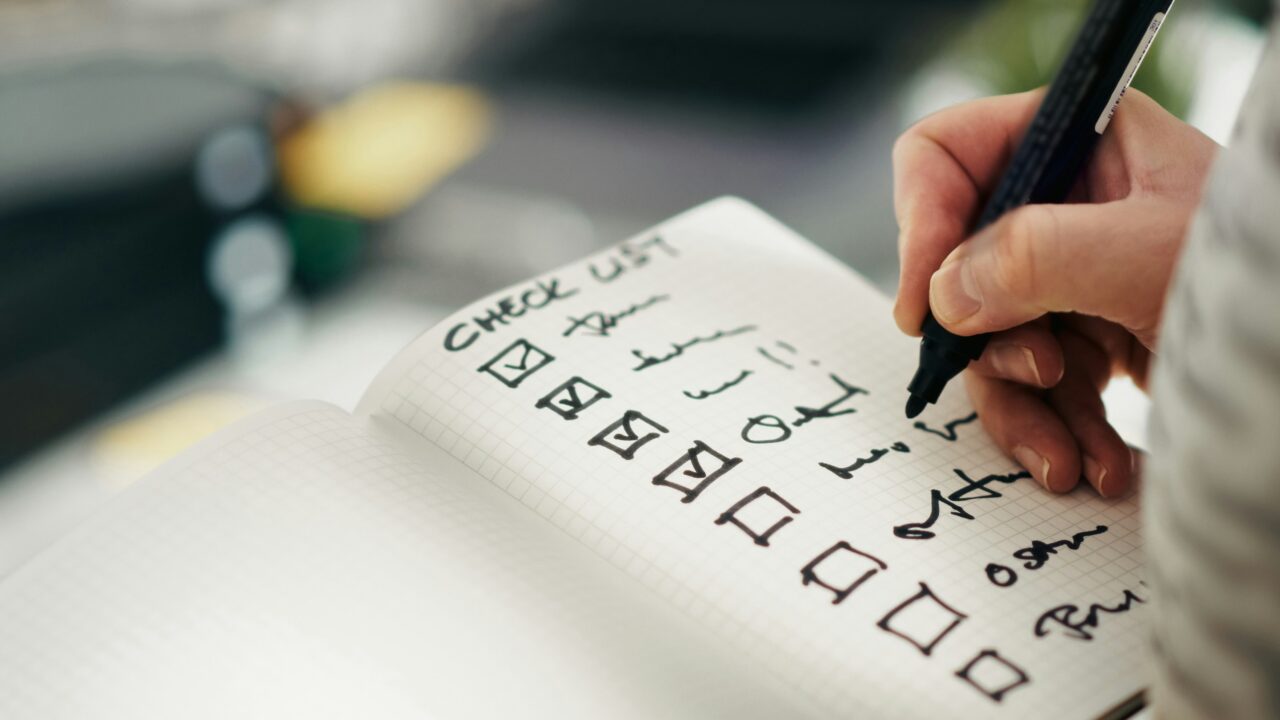
AI accuracy at work is not about making every task slower. It is about knowing when speed is the wrong prize.
Some workplace uses of AI are low consequence. You might ask it to tidy rough notes, suggest a meeting agenda, or turn a messy paragraph into something clearer. If the first answer is clumsy, the cost is small. You can edit it, reject it, or try again.
Other uses are different. A customer promise, compliance note, board summary, finance explanation, policy draft or external email can create real damage if it is confident and wrong. In those moments, AI should help you structure the work, not decide what is true.
This is the practical test: use AI for momentum, then slow down for accuracy. The more a sentence could affect another person, commit the business, expose private data or be relied on later, the less you should trust the model on its own.
Why accuracy beats speed in high consequence work
AI systems are built to produce likely answers. That makes them useful for drafting, summarising and exploring options, but it also means they can fill gaps with plausible language. A polished paragraph is not the same as a checked paragraph.
The risk is highest when the output sounds ordinary. If an answer is obviously strange, you will probably catch it. If it is almost right, it may slide into an email, report or slide deck before anyone asks where the claim came from.
That is why a fast AI workflow needs a slow review point. The NIST AI Risk Management Framework frames AI risk as something to govern, map, measure and manage. In plain workplace terms, that means deciding what could go wrong before you rely on the output.
A simple AI accuracy at work test
Before using an AI answer, ask three questions.
- What happens if this is wrong? If the answer would only waste a few minutes, a light review may be enough. If it could mislead a customer, manager, colleague or regulator, slow down.
- Where would I check the important claims? The answer should point you back to source material, not replace it. Policies, contracts, official pages, meeting notes and approved documents matter more than the model’s wording.
- Who owns the final judgement? AI can draft and compare. A person still owns the decision, the tone, the facts and the consequences.
This test is deliberately simple because most workplace mistakes happen before a formal governance process appears. Someone asks a tool for a quick answer, copies the result, and moves on. The review habit has to fit the moment.
Use AI to structure, then verify against sources
Imagine you need to draft a short internal note about whether a customer commitment can be made. AI can help create the shape: what was requested, what the current policy says, what is uncertain, what needs approval and what should be checked before anyone replies.
That is useful. It gives you a starting point and stops the note becoming a blank-page problem. But the claims inside the note still need checking against the actual policy, customer record, contract, product documentation or approved guidance.
If personal data is involved, the review bar rises again. The ICO guidance on artificial intelligence and data protection is a useful reminder that AI use can create data protection questions, especially around personal information, transparency and accountability. Do not paste sensitive workplace data into tools unless your organisation has approved that use.
A good instruction to the AI might be: draft the note structure, flag uncertain points, and list the source documents that a human should check. A poor instruction would be: tell me what we can promise the customer.
Match the review to the risk
Not every AI output needs the same level of checking. Treat the review like a risk scale.
- Low consequence: brainstorming headings, rewriting rough notes, creating a first outline, or improving clarity. Check for tone and sense.
- Medium consequence: internal summaries, project updates, meeting actions or draft recommendations. Check facts, owners, dates and assumptions.
- High consequence: customer commitments, legal or HR wording, finance explanations, compliance material, public claims or anything involving private data. Use AI only as a drafting aid, then verify every important statement against approved sources and the right human reviewer.
This is close to the approach in our guide to checking an AI draft before sending it. The more the answer will travel beyond you, the more careful the checking needs to be.
What to check before sending
When accuracy matters, do not just ask whether the writing is good. Ask whether the work can be trusted.
- Check names, numbers, dates and commitments against primary sources.
- Remove claims the source material does not support.
- Look for missing context, not just wrong facts.
- Ask whether the answer has changed the meaning, risk level or obligation.
- Keep sensitive or personal data out of unapproved tools.
- Make clear which parts are confirmed and which parts still need review.
AI can also miss the real point of a task while sounding helpful. If the issue is nuance, priority or judgement, use the checks in our piece on spotting when AI has missed the most important point before relying on the draft.
Where AI helps most
The safest high accuracy workflow gives AI jobs that do not require it to be the source of truth.
Ask it to turn source notes into a clearer outline. Ask it to identify unanswered questions. Ask it to compare two versions of a paragraph and show what changed. Ask it to draft a neutral summary that you will then check. Ask it to create a checklist for a human reviewer.
That is different from asking it to decide the answer. Our guide to using AI for decision support without handing over judgement makes the same distinction: AI can widen the view, but it should not quietly take over accountability.
The practical rule
If the task is low risk, use AI to move faster and edit the result. If the task is high consequence, use AI to organise the work and slow down at the verification point.
The best use of AI at work is often not a faster final answer. It is a better first draft, a clearer list of checks and a sharper sense of what still needs human judgement. For more on that starting point, see our guide to turning rough notes into a clear first draft.
AI is a drafter, reviewer and organising aid. It is not the author of the decision. When accuracy matters more than speed, that distinction is the workflow.