Automation and robotics: the real story
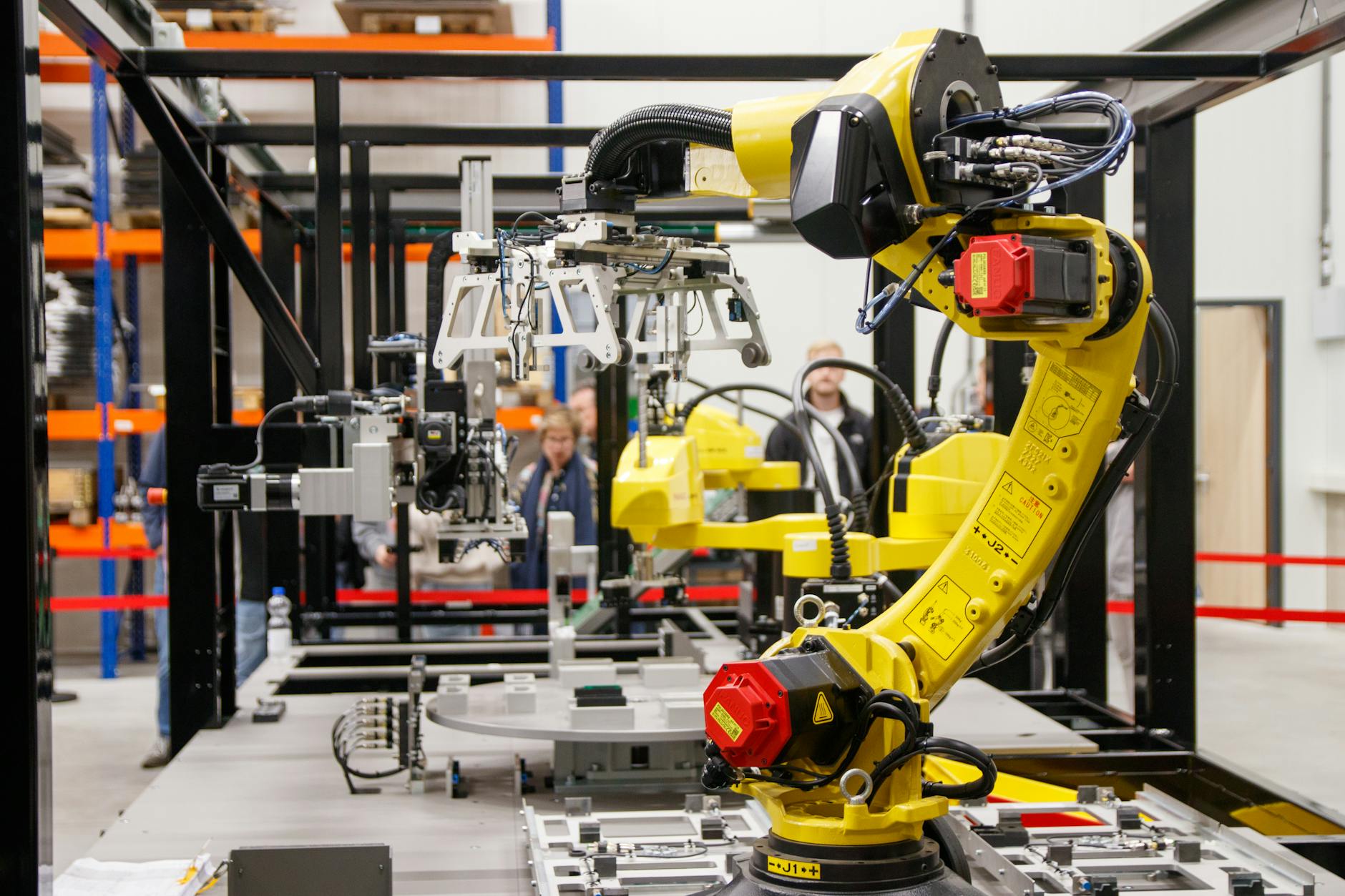
Automation and robotics no longer means a distant future full of humanoid machines. It means specific tools doing specific jobs, often in places you already use.
The Short Version
- Automation and robotics is already common in warehouses, hospitals, factories, farms, and some building sites.
- Most useful robots are not humanoid. They are narrow machines that repeat one task with speed and accuracy.
- Better software has made robots more useful, because they can now see, adapt, and follow simpler instructions.
- The main question is not whether robots replace people. It is which tasks move from people to machines.
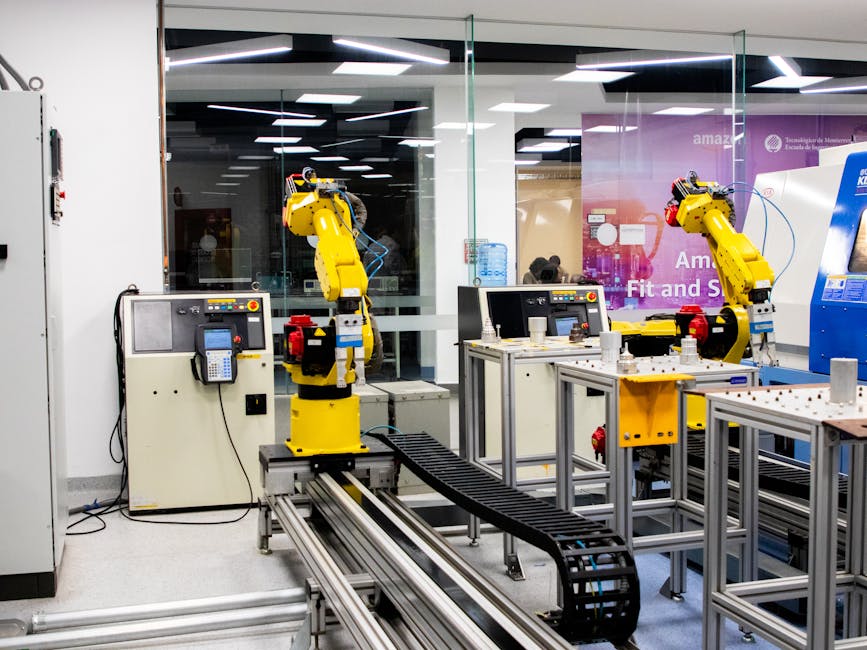
What automation and robotics actually means
Automation and robotics is the use of machines and software to carry out tasks with less direct human work. That sounds broad because it is broad.
A factory arm welding a car door is part of it. So is a warehouse robot moving a tote across a grid. So is software that routes jobs through a packing line.
The important point is that automation and robotics is usually practical before it is dramatic. The machines that matter often look boring.
They move boxes, count stock, cut food, dispense medicine, or mark out a building site. They do not need a human face to change how work gets done.
This is why the topic is easy to misread. Headlines focus on humanoid robots, while businesses adopt smaller tools that solve a clear problem.
Why robots are moving beyond factories
For years, robots worked best in controlled spaces. A car plant is ideal because the parts, floor, lighting, and workflow are predictable.
The change now is that software has improved. Computer vision helps machines recognise shapes, edges, labels, people, and hazards.
Planning software helps a machine choose its next move. Better sensors help it stop before it hits something, or correct itself when a part moves.
That makes automation and robotics useful in messier places. Warehouses, farms, hospitals, and small workshops all have more variation than old factory lines.
The International Federation of Robotics reported 542,000 industrial robot installations in 2024. That scale matters because each generation lowers costs and improves reliability.
The same shift explains why artificial intelligence keeps appearing in robotics stories. The clearest link is not a thinking robot. It is better perception and control.
For a broader plain-English explanation of that software layer, see Cristoniq’s guide to machine learning.
Where automation and robotics is already useful
Logistics is the clearest example. Robots can move stock around warehouses, bring products to human pickers, and reduce wasted walking time.
Food production is another strong case. Machines can cut, sort, pack, and inspect products in cold or repetitive environments.
Healthcare uses robots in a quieter way. Surgical systems help doctors make precise movements, while pharmacy robots help dispense medicines accurately.
Construction is more mixed, but still real. Robotic layout tools can mark floors faster than a small team with tape measures and drawings.
Farming is also changing. Automated harvesters and weeding machines can help when labour is scarce and margins are tight.
In each case, automation and robotics works best when the task is repeatable, measurable, and expensive to do by hand. It struggles when the world is messy.
Why humanoid robots get attention
Humanoid robots get attention because they are easy to understand. They look like a direct replacement for a person.
That makes them powerful marketing. It does not make them the most useful form of automation and robotics today.
Companies working on humanoid robots have made real progress. The machines walk better, handle more objects, and cost less than earlier prototypes.
They still face hard limits. Wet, soft, awkward, or unexpected objects remain difficult. So do long shifts, crowded spaces, and public settings.
This is why many first uses are pilots in warehouses or factories. Those sites are easier to control than homes, cafes, schools, or high streets.
The useful question is not whether humanoids will ever matter. It is whether a cheaper fixed machine can do the same job today.
What automation means for UK jobs
These tools change tasks before they change whole jobs. That distinction matters.
A warehouse worker may stop walking long distances and spend more time checking exceptions. A technician may spend less time measuring and more time checking outputs.
Some roles shrink when machines take the most repetitive work. Other roles grow around maintenance, supervision, safety, data, and process design.
The jobs least exposed are still the ones that combine dexterity, judgement, trust, and human care. Nursing, plumbing, teaching, and many skilled trades fit that pattern.
The jobs most exposed are repeatable, rules-based, and easy to measure. That includes some packing, inspection, movement, and basic administration tasks.
This is close to the argument in our guide to AI PCs. The device matters less than the task it can actually change.
The limits that still matter
Robots are physical machines, so physics still wins. Batteries run down, motors wear out, and sensors fail. Dust, rain, and poor lighting cause problems.
Safety is another limit. A robot in a cage is one thing. A robot moving near people is a different problem.
UK employers still have to manage risk under health and safety law. The Health and Safety Executive gives guidance on work equipment and machinery duties.
Insurance, training, maintenance, and liability can matter as much as the purchase price. A cheap robot is not cheap if it stops a line every week.
This is why good deployments start small. A business tests one task, measures the result, trains staff, then decides whether to expand.
A Worked Example
Imagine a small UK manufacturer that packs metal parts into boxes. Staff spend hours lifting, counting, labelling, and moving finished items.
The company does not need a humanoid robot. It might need a simple conveyor, a weighing station, a label printer, and a collaborative robot arm.
The arm picks parts from a fixed place and puts them into boxes. A worker checks quality, deals with exceptions, and changes the setup between product runs.
That is automation and robotics in its most realistic form. It removes strain from one task without removing all human judgement from the process.
The business still needs people. It also needs better training, because someone must understand the machine well enough to spot faults early.
What This Means For You
If you run a small business, start with the dullest repeatable task. Do not start with the most exciting robot video.
Ask three simple questions. Is the task frequent? Is it measurable? Would a mistake be easy to catch before it hurts someone or wastes money?
If the answer is yes, automation and robotics may be worth testing. If the answer is no, better software or better process design may help more.
If you are thinking about work, learn the systems around the machine. People who can operate, maintain, audit, and improve tools are harder to replace.
For households, the same rule applies. A useful device solves a real job. A clever demo is not the same thing as daily value.
In Plain English
Automation and robotics is not one big switch that turns people into spare parts. It is a steady shift in who, or what, does each task.
The real story is not a robot walking into your kitchen tomorrow. It is a machine moving stock, checking labels, dispensing medicine, or helping a surgeon.
That is less dramatic than the headlines. It is also more useful, and it is already here.