Home 3D printing: has it finally arrived for everyday use?
An honest look at where 3D printing actually stands in 2026, who it suits, and whether it is finally worth investing in for everyday use.
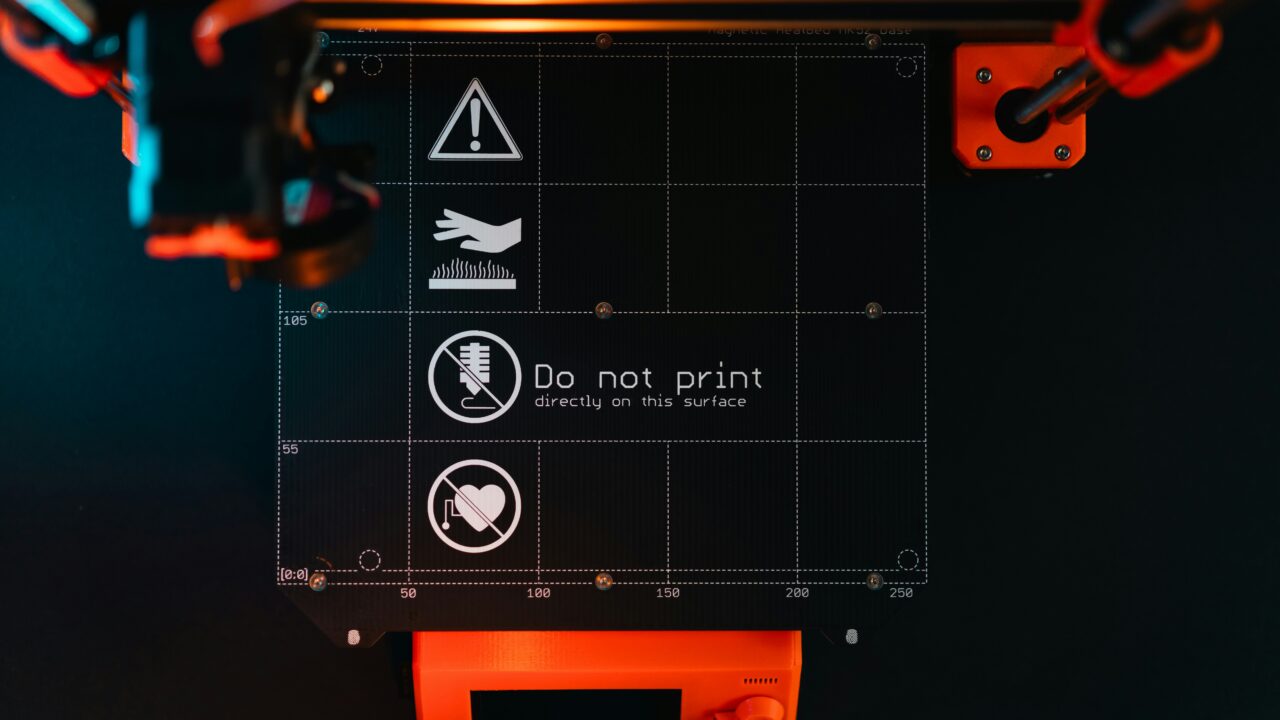
The promise has been around for years. Consumer 3D printing was supposed to become what the home printer was to the 1990s: a slightly expensive but broadly accessible piece of kit. That has not quite happened, but the technology has changed a great deal. The honest answer to whether home 3D printing is finally ready for everyday use is: it depends on who you are.
The machines have genuinely improved
The machines themselves have improved significantly. Entry-level 3D printers from Bambu Lab, Creality, and Prusa now cost between £200 and £500 for a competent model. These machines produce reliable results without constant tinkering. That is a meaningful drop from where the market was five years ago.
Getting decent prints out of a budget machine used to require patience, mechanical aptitude, and a high tolerance for failed jobs. Modern machines are faster, more accurate, and come with better software that handles calibration automatically. Home 3D printing has shed much of the fiddliness that defined the early consumer market.
That matters, because the barrier to entry was always as much about frustration as it was about cost. The cost question is now largely answered. The frustration question is more complicated.
The learning curve has moved, not disappeared
But faster and cheaper does not mean simple. The learning curve that put off many early adopters has not disappeared. It has just moved. You no longer need to spend your evenings levelling a bed by hand or adjusting belt tension.
What you do need to understand is the design side. Where does your model come from, and how do you prepare it for printing? Why does the same object print beautifully one day and fail the next when you change a material? These are the practical questions 3D printing asks of you.
For someone who finds that kind of problem-solving interesting, it is a genuinely satisfying hobby. Most people who stick with it for more than six months find the hobby rewarding precisely because of its complexity, not despite it.
For someone who wants a machine to just work, it remains frustrating in ways that are hard to predict upfront. That gap between expectation and experience is still the biggest cause of abandoned printers.
Materials matter more than most guides admit
The material question is more complex than most beginner guides suggest. PLA is the standard starting point. It prints easily, but it is brittle and not particularly heat-resistant. That limits what you can actually use the finished object for in a practical setting.
PETG is sturdier and better for functional parts, but it requires different settings. It also picks up moisture from the air if you leave it out. Anything more specialist, such as flexible filaments or carbon-fibre composites, brings its own set of requirements.
These advanced materials are not something most beginners will reach for in the first six months. The filament you use matters a great deal in home 3D printing. Getting it wrong produces mediocre results even with a good machine behind it.
Where home 3D printing earns its place
What has genuinely changed is the availability of ready-made designs. Sites like Printables and Thangs have enormous libraries of free models. These cover cable clips, plant pot holders, replacement parts for appliances, and mounts for gadgets that no longer have commercial accessories available.
If your ambition is to download something someone else designed and print it at home, the options are vastly better than 2020. For this use case, a decent entry-level printer is a genuinely useful piece of kit. The £300 to £400 upfront cost can pay for itself if you find yourself regularly printing things you would otherwise buy.
Home 3D printing works well when you have a clear, repeating problem it solves. It works less well as a vague aspiration with no particular output in mind. That distinction is worth sitting with before you buy.
Small businesses find a different kind of value here. Companies that make physical products or need custom jigs and fixtures have found real benefit in having a printer on site. The ability to iterate quickly without waiting days for a part to arrive is significant. For a business with a specific problem, home 3D printing can deliver a genuine return on the time invested.
The design question most people underestimate
The problem is that most people who get into home 3D printing eventually want to make their own designs. Downloading other people’s models only goes so far. That is where the time investment becomes significant. Learning even basic CAD software takes weeks before you can produce anything beyond rudimentary shapes.
Free tools like Fusion 360 or simpler options like Tinkercad help lower the entry point. But more sophisticated design, for objects that need to fit precisely or work mechanically, takes considerably longer to develop. There is no shortcut here. Anyone selling home 3D printing as a quick creative tool is glossing over this part of the picture.
This pattern shows up with many home technology purchases. The upfront price is rarely the whole story. Our guide to solar panels covers the full cost and benefit picture for another home tech investment. The headline figure is always more straightforward than the time and setup required to get real value from it.
Resin printing: a different machine for different needs
Where the technology has moved meaningfully is on the resin side. Resin printers produce parts with much finer detail than standard filament machines. This makes them well-suited to miniatures, jewellery prototyping, and dental applications. Surface finish matters more than size for these use cases.
The machines have come down in price and the resins themselves have become less unpleasant to work with. The trade-off is that the process is messier and involves chemicals that need careful handling. Post-processing also takes more time than a standard filament machine requires.
For a specific use case, resin printing is excellent. As a general recommendation, it is a step up in complexity from standard home 3D printing. It is not a replacement for it. If you are new to the technology, start with filament and add resin later if your use case demands it.
The honest verdict for 2026
Home 3D printing has arrived for people with a specific reason to use it. For everyone else, it remains a commitment. The barrier to getting started is lower than it has ever been. The barrier to getting genuinely useful, consistent results is still real.
If you have a concrete use case and a willingness to spend time learning, this is a good time to get into home 3D printing. Realistic expectations matter too. What you will be printing in the first few months will be simpler than what you have in mind today. That is normal and it is fine.
If you are hoping for an appliance that simply produces things on demand without much involvement from you, the technology is not quite there yet. It likely will be in a few years. For now, home 3D printing rewards the curious and patient. Our guide on smart home devices and what is actually useful versus gimmick covers the same consumer technology territory for a different category of kit.