Continuous Glucose Monitors: Useful Or Overkill?
Continuous glucose monitors can be vital diabetes tools, but wellness use is murkier. Learn what the data shows, where the limits sit, and who benefits most.
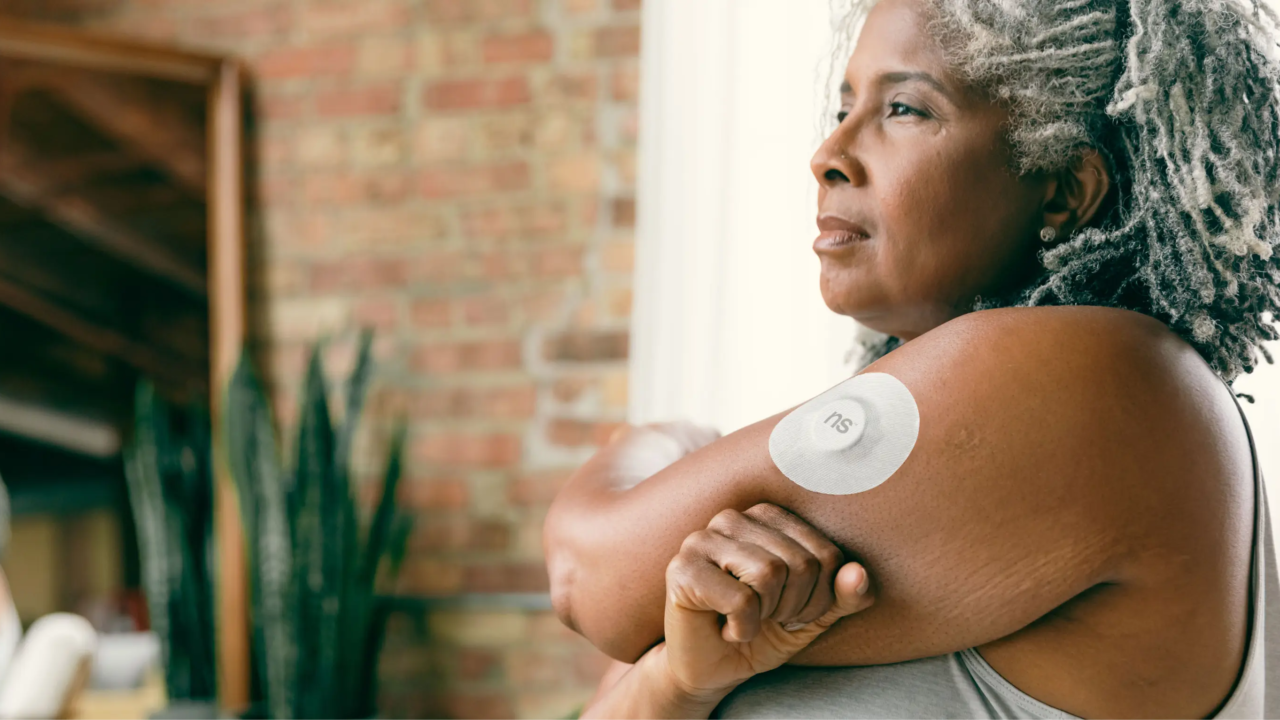
Continuous glucose monitors used to sit firmly in diabetes care. Now the same idea is being sold to healthy adults who want to optimise meals, exercise and energy. The useful question is not whether the data is interesting, but whether it helps you make better decisions.
The Short Version
A continuous glucose monitor, or CGM, is a small wearable sensor that estimates glucose levels through the day. For many people with diabetes, that information can be clinically important because it shows patterns that finger prick checks can miss. For people without diabetes, the same data can be interesting, but it can also be easy to overinterpret. A CGM is most useful when there is a clear reason to track glucose and someone qualified to help you understand the results.
What A CGM Actually Measures
A continuous glucose monitor is usually worn on the upper arm or abdomen. A tiny sensor sits just under the skin and estimates glucose in the fluid around your cells. The device then sends readings to a phone app, reader or connected system.
That sounds like direct blood sugar tracking, but there is an important detail. CGMs do not usually measure glucose straight from the blood. They estimate it from interstitial fluid, which follows blood glucose with a short delay. For day to day pattern spotting, that can be useful. For urgent medical decisions, people with diabetes are still told to follow their care team’s instructions and may need finger prick checks in specific situations.
The attraction is obvious. Instead of one reading at breakfast and another before bed, you see a curve. You can see what happens after cereal, a late night takeaway, a long walk or a stressful meeting. That makes CGMs feel closer to other personal technology, like the sleep and readiness scores covered in our guide to what smart rings track and what to ignore. The difference is that glucose data can carry medical meaning, so it deserves more caution than a step count.
Why They Matter For Diabetes
For diabetes management, CGMs are not a lifestyle toy. The NHS says people with type 1 diabetes should be given a continuous glucose monitor, and NICE recommends that adults with type 1 diabetes are offered a choice of real time CGM or intermittently scanned CGM, often called flash monitoring. That is a strong signal about where the clearest value sits.
The reason is simple. If your body cannot reliably manage blood glucose, the trend matters. A CGM can show whether glucose is rising, falling or sitting in range. It can alert someone to lows or highs, help them see the effect of insulin, food and exercise, and give a diabetes team better information than a handful of isolated checks.
This is also why CGMs sit inside hybrid closed loop systems, sometimes called artificial pancreas systems. In those setups, the glucose sensor talks to an insulin pump through software that adjusts insulin delivery. That is a clinical system, not a wellness dashboard. The same sensor idea may look similar on the arm, but the purpose is very different.
Why Wellness CGMs Are More Complicated
The mainstream shift is happening because consumer products now package glucose data as a personal insight tool. Abbott’s Lingo, for example, is marketed in the UK as an everyday wearable that tracks glucose and helps users build healthier habits. The same page also says the Lingo system is not for medical use and is not intended to diagnose or manage any disease, including diabetes.
That distinction matters. If you have diabetes, glucose data is part of a treatment context. If you do not, the signal is much fuzzier. A rise after eating carbohydrate is normal. A spike after intense exercise, poor sleep or stress may also happen. One meal curve does not prove that a food is bad for you. A flatter line does not automatically mean a meal is healthier overall.
This is where health tech can mislead by making normal variation look like a problem. A graph feels objective, but the interpretation is where the value lives. Without context, a person can start chasing perfect lines, cutting out foods unnecessarily or worrying about numbers that would not concern a clinician. That is not better health. It is just more data with a more serious looking interface.
The Data Can Be Useful, But Only For The Right Question
A CGM is most helpful when the question is specific. If someone has diabetes, prediabetes or a medical reason to monitor glucose, the question might be about patterns, timing, medication, hypos or whether a treatment plan is working. That belongs with a healthcare professional.
For a generally healthy person, the better question is narrower: does this help me notice how meals, sleep, stress or exercise affect my energy and habits? Even then, it should sit alongside ordinary markers such as how you feel, whether your diet is balanced, whether you can sustain the changes and whether a GP or clinician has raised any concerns.
The danger is treating a consumer CGM as a nutrition judge. It cannot tell you whether a meal is high in fibre, whether you are getting enough protein, whether your relationship with food is healthy or whether a diet fits your life. It shows one stream of data. Useful technology should reduce uncertainty, not create a new source of anxiety.
What To Check Before You Buy One
Start with the boring checks. Is the device intended for people with diabetes, or explicitly not for medical use? Does it require a prescription? How long does each sensor last? What does the app do with your health data? Is the price for one sensor, a two week plan or a recurring subscription?
Also check what the product claims to do. There is a difference between showing glucose trends and claiming to help with weight, heart health, energy or prediabetes risk. Manufacturer claims can be useful, but they are still manufacturer claims. If a result depends on company data, treat it as a starting point rather than independent proof.
Privacy also deserves attention. Glucose readings are health related data, and the app may combine them with meals, exercise, sleep or other personal information. If you would not casually share those details elsewhere, do not ignore the privacy policy just because the device looks like a fitness wearable. The same thinking applies to our explainer on what you actually pay for free apps: the product is not only the sensor, it is also the data system around it.
For readers looking at these devices in a clinical context, the NHS explains how continuous glucose monitors are used in diabetes care, which is a very different question from using one as a general wellness prompt. That distinction matters because useful data starts with a clear purpose, not with the gadget itself.
A Worked Example
Imagine two people wearing similar looking sensors for two weeks.
The first has type 1 diabetes. They use a CGM because their care team wants them to see overnight lows, post meal highs and time spent in target range. The readings help them discuss insulin, exercise and safety. For this person, the sensor can reduce guesswork and support clinical decisions.
The second does not have diabetes. They bought a wellness CGM because they feel tired after lunch. The graph shows a rise after a large sandwich and crisps, then a dip later. That might prompt a useful experiment: add more protein, take a walk, or compare it with a different lunch. But it should not lead them to diagnose themselves, panic about every rise or remove whole food groups without advice.
Same device shape. Very different level of importance.
What This Means For You
If you have diabetes, suspected diabetes or symptoms that worry you, a CGM question belongs with your GP, diabetes nurse or specialist team. The NHS and NICE guidance is built around clinical need, training and follow up, not casual self experimentation.
If you are simply curious, be honest about what you want from the data. A short trial may teach you something about routines, but it should not replace proper medical checks, nutrition advice or common sense. Before paying, read the intended use, the privacy terms and the subscription details.
The practical test is simple: will this data lead to calmer, better choices, or will it give you another number to chase?
In Plain English
A continuous glucose monitor can be extremely useful for people who need to manage diabetes.
For everyone else, it is a sophisticated wearable that shows one part of the picture. It can reveal patterns, but it cannot diagnose you or tell you whether your whole diet is healthy.
Use the data as a clue, not a verdict.