Smart rings explained: what they track and what to ignore
Smart rings explained in plain English: what they track well, where the numbers get fuzzy, and what to check before spending money on one safely.
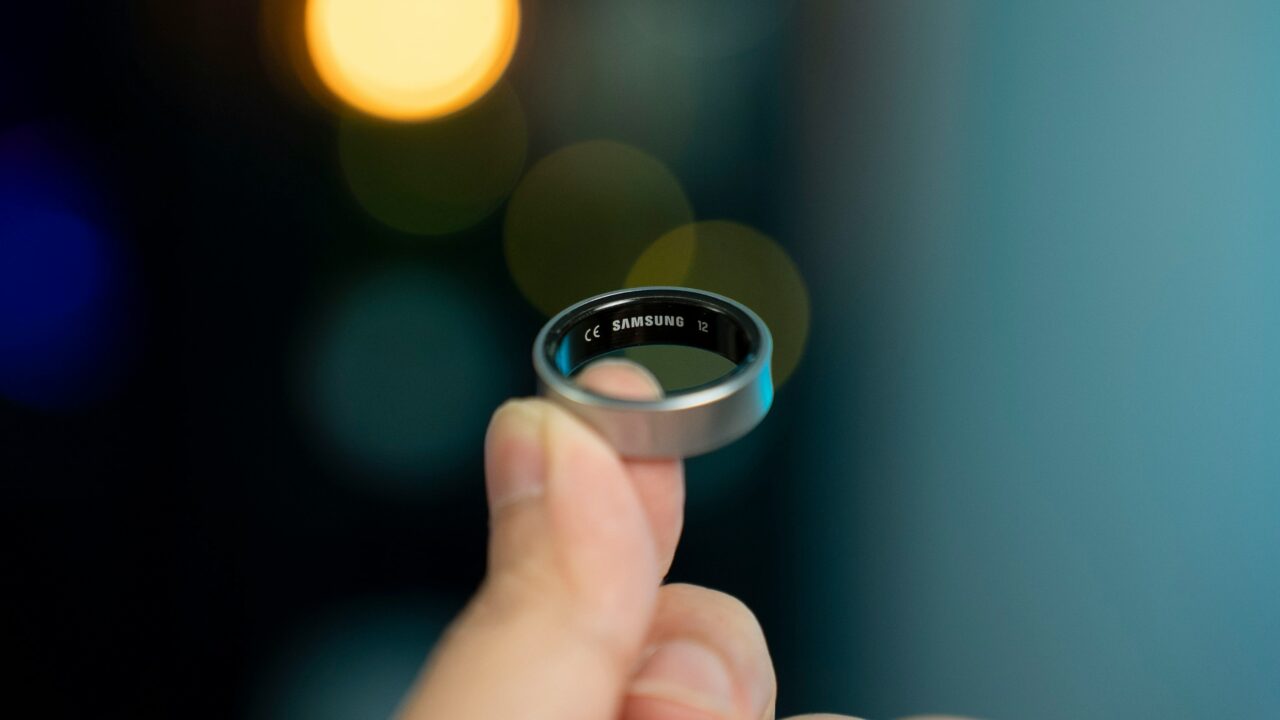
Smart rings look simple because they disappear onto your finger. Underneath that small band are sensors, battery compromises, health scoring and a lot of assumptions about what your body is doing. Before you treat one as a personal health dashboard, it is worth knowing what the ring can measure and what it is only estimating.
The Short Version
Key Takeaways
- Smart rings are best at passive tracking: sleep timing, resting heart rate, heart rate variability, temperature trends and broad recovery patterns.
- They are weaker for workouts, precise calorie burn, exact sleep stages and anything that needs GPS, a screen or manual controls.
- Fit matters. A loose ring can miss readings, while a tight one can become uncomfortable as your fingers swell.
- Health scores are useful prompts, not medical diagnoses. Treat unusual results as a reason to look closer, not as proof.
- The real cost includes subscriptions, phone compatibility, replacement risk and how comfortable you are sharing health data.
What A Smart Ring Actually Measures
A smart ring is a small wearable computer with sensors pressed against the skin of your finger. Most models use optical heart sensors, often called PPG sensors, to shine light into the skin and read changes in blood flow. They also use movement sensors to detect activity and sleep movement, plus temperature sensors to track changes from your own normal baseline.
That mix can estimate resting heart rate, heart rate variability, sleep duration, sleep timing, skin temperature trends and basic movement. Oura’s membership page lists detailed sleep analysis, heart rate tracking, advanced temperature monitoring and SpO2 among its member features. Samsung says Galaxy Ring tracks wellness data through Samsung Health. Ultrahuman lists PPG, skin temperature, motion and LED sensors for Ring AIR, while RingConn lists PPG, temperature and motion sensors for Gen 2.
Why Sleep Is The Main Selling Point
Smart rings make most sense at night. A ring is smaller than a watch, has no bright screen and is often easier to wear in bed. During sleep, your body is relatively still, which makes it easier for a ring to collect steady heart rate, temperature and movement data.
Sleep scores, readiness scores and recovery scores can be useful if you treat them as patterns over time. If your resting heart rate is higher than usual and your sleep was broken, the ring may be telling you something your body already knows: you are under strain, coming down with something or not recovering well.
Where people get into trouble is treating the score as a verdict. Sleep stage estimates, such as light sleep, deep sleep and REM sleep, are modelled from movement, pulse and related signals. If a smart ring says you had a poor night, it may be directionally useful. If it tells you exactly how many minutes of deep sleep you had, the sensible response is caution.
For a wider view of wearable trade offs, Cristoniq’s guide to smartwatches and fitness trackers is a useful companion, because rings and watches solve different problems.
The Numbers To Treat Carefully
The most useful smart ring numbers are usually trends, not single readings. Resting heart rate drifting up for several days can be meaningful. Heart rate variability dropping below your usual range can suggest stress or poor recovery. One odd score on one morning is much less useful.
Sleep staging deserves the most scepticism. A ring can make an educated guess about sleep phases, but it cannot see your brain activity. Calorie burn is another weak area, because a ring lacks the full context of body composition, exercise type and intensity. Step counts can also be imperfect.
Blood oxygen and breathing features need extra care. Oura says its ring is not a medical device and is not intended to diagnose, treat, cure, monitor or prevent medical conditions. Samsung’s Galaxy Ring footnotes say sleep tracking features are for general wellness and fitness purposes, not for diagnosis or treatment of sleep disorders. If a device flags a possible concern, speak to a professional.
Read The Pattern, Not The Panic
A smart ring is most useful when you compare today with your own normal range. Repeated changes are worth attention. One strange reading is something to check before you worry.
Subscriptions, Compatibility And Long Term Cost
The ring price is only part of the decision. Oura says Gen3 and newer rings need an active membership for many detailed features. Without membership, Oura says users see the three daily scores, ring battery, basic profile information, settings and Explore content. That means the long term cost is different from the shelf price.
Other brands take a different approach. Ultrahuman describes Ring AIR as not requiring a mandatory data subscription, while RingConn presents Gen 2 as health tracking without subscription fees. The trade off is that you should then look harder at warranty support, app quality, data export and future software support.
Phone compatibility matters too. Samsung says Galaxy Ring requires an Android phone, the Galaxy Wearable app, Samsung Health and a Samsung account. That is fine if you are already in Samsung’s world, but it is a poor fit if your household is built around iPhones.
Fit, Battery And Everyday Comfort
Smart rings depend on fit. The sensors need steady contact with the underside of your finger. Too loose, and readings can be patchy. Too tight, and the ring can become uncomfortable, especially when your fingers swell with heat, exercise, travel or sleep.
Use the sizing kit if one is offered. Wear the dummy size for a full day and overnight. Your usual jewellery size may not be right, because smart rings are thicker than normal rings and have a sensor bump inside.
Battery life varies by model, size and settings. Oura says Ring 4 achieved five to eight days in its testing assumptions. Samsung says Galaxy Ring can last up to seven days. Ultrahuman lists four to six days for Ring AIR, while RingConn claims up to 12 days for Gen 2. Treat those figures as starting points, not guarantees.
Privacy And Health Data
A smart ring collects intimate data: sleep timing, heart patterns, temperature changes, activity, recovery signals and sometimes reproductive health or breathing information. That is more personal than the data from many everyday gadgets.
Before wearing one, check where the data is stored, whether it is synced to cloud services, whether you can export it and how deletion works. If you are already tightening your digital life, pair this decision with Cristoniq’s guides to securing your email account and cleaning up old online accounts. Health data is still account data.
A Worked Example
Imagine you run a small business, spend long days at a laptop and want to understand why you feel tired despite going to bed at a reasonable time. After three weeks, you might see that your sleep duration is acceptable, but your bedtime moves by two hours across the week and your recovery score dips after evenings with alcohol.
None of that requires a medical claim. It simply gives you a clearer picture of habits that are easy to miss. If the same ring reports poor breathing regularity night after night, or you feel exhausted despite enough time in bed, speak to a GP or qualified clinician.
What This Means For You
If you want a smart ring because you hate sleeping in a watch, the category makes sense. It is discreet, passive and good at showing broad sleep and recovery patterns. If you want a running watch, phone replacement, medical monitor or exact fitness tracker, a ring is the wrong tool.
The practical question is not “which ring has the most features?” It is “which data would I actually use?” If you will ignore scores after two weeks, do not buy one. If you will use the trends to adjust sleep, caffeine, alcohol, training or screen time, it may earn its place.
Check four things before spending money: phone compatibility, subscription costs, sizing process and whether you are comfortable with the company holding your health data.
In Plain English
A smart ring is a sleep and recovery tracker that you wear on your finger. It is good at spotting patterns. It is not good at giving perfect answers.
Use it to notice changes in your own normal range: sleep timing, resting heart rate, temperature trends and recovery. Do not treat sleep stages, calorie burn or health warnings as exact truth.
If the data helps you make calmer daily choices, useful. If it makes you anxious, it is the wrong gadget.