The UK copper landline switch-off: what you need to do
The UK copper landline switch-off moves calls to digital voice. Check alarms, power cuts and vulnerable users before your provider migrates you.
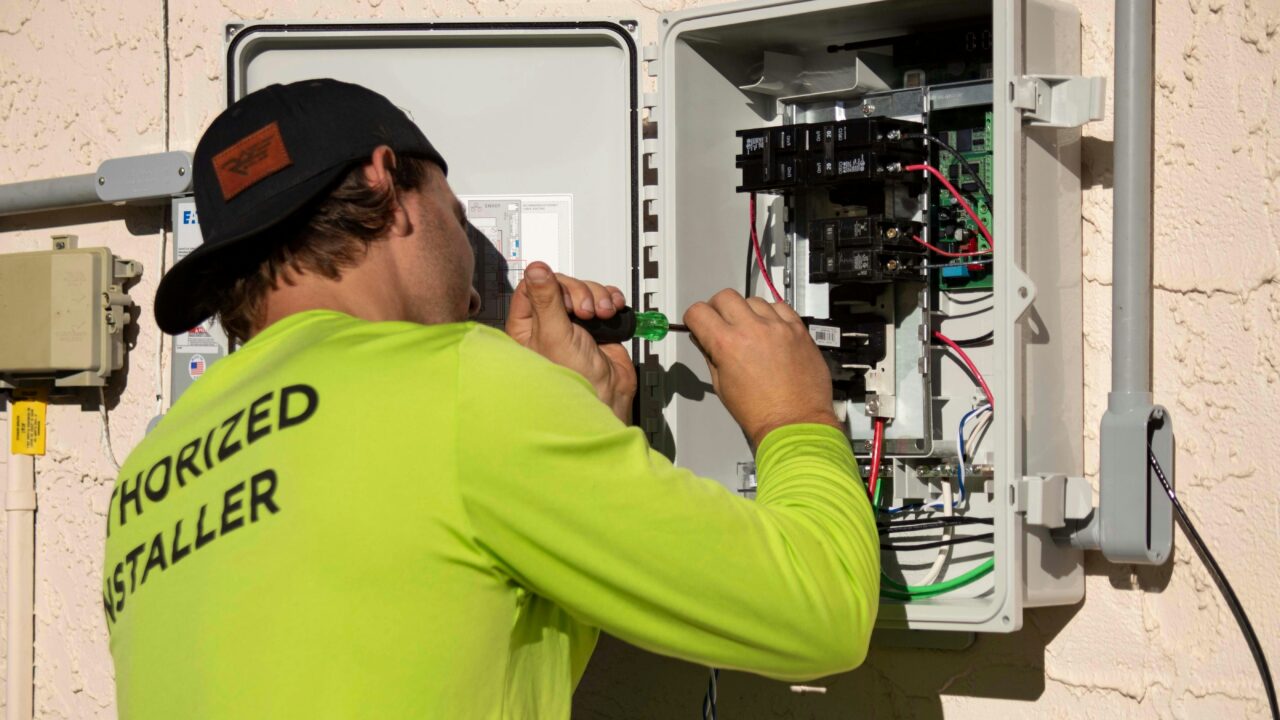
The copper landline switch-off sounds like a remote telecoms upgrade until it reaches your hallway. For many homes, nothing dramatic will happen. For anyone with an alarm, pendant, poor mobile signal or a landline-only relative, it is worth checking the details before the old phone socket stops behaving the way it used to.
The Short Version
Key Takeaways
- The UK’s old analogue landline network is being retired, with calls moving to digital voice services that use broadband-style technology.
- Most people should wait for their provider to contact them, but should not ignore letters, emails or calls about the migration.
- Power cuts matter because a phone connected through a router usually needs mains electricity unless there is battery backup.
- Care alarms, security alarms, lift phones, fax machines and card terminals may need checking with the equipment supplier.
What Is Actually Being Switched Off?
The change is about the old Public Switched Telephone Network, usually shortened to PSTN. This is the ageing analogue phone network that has carried traditional landline calls for decades. Providers are replacing it with digital voice services, often described as VoIP, Digital Voice or all-IP calling.
For many households, the visible change may be small. A phone plugs into a router or adapter instead of the old master socket. The number can usually stay the same. The bill still comes from a phone or broadband provider. The call may sound like an ordinary landline call.
The important difference is underneath. The landline becomes dependent on digital equipment and, in most cases, a powered router or voice adapter. Ofcom’s digital landline guidance says customers who want to keep a landline will need to move to a VoIP service, and that providers should tell customers what they need to do.
What The January 2027 Date Means
The industry deadline is now January 2027. GOV.UK guidance on moving landlines to digital technologies says the technology underpinning the PSTN is being switched off by the telecommunications industry by January 2027. BT Business guidance is more specific for its legacy services, pointing customers towards a move before 31 January 2027.
That does not mean every home wakes up on one date to a silent phone. Providers are migrating customers in stages. Some homes have already moved. Others will be contacted later. The practical rule is simple: do not unplug everything because you have read about the deadline, but do pay attention when your own provider writes to you.
This is also where scams can creep in. A real provider may contact you about the change, but a caller demanding bank details, remote computer access or immediate payment should be treated with caution. If in doubt, hang up and contact the provider using the number on your bill or its official website.
Why Power Cuts Are The Big Difference
A traditional corded analogue phone could often keep working during a power cut because it drew power from the phone line. A digital voice service usually depends on equipment in your home, such as a broadband router, an optical network terminal or a voice adapter. If that equipment loses power, the phone may not work.
Ofcom says that if someone depends on their landline, for example because they do not have a mobile phone or do not have mobile signal at home, their provider must offer a solution so they can contact emergency services in a power cut. In practice, that may mean battery backup, a different arrangement or extra support during installation.
This is the part to check for older relatives, rural homes and anyone whose mobile coverage is poor indoors. Do not assume a digital landline will behave like the old socket when the lights go out. Ask the provider what happens to 999 calls in a power cut, how long any battery backup lasts and who is responsible for maintaining it.
Devices That May Break Quietly
The phone handset is not the only thing that may use a landline. Care alarms, fall pendants, security alarms, lift emergency phones, fax machines, payment terminals and some older monitoring devices may be connected to the same line. These devices can be easy to forget because they sit in the background until something goes wrong.
Ofcom’s advice is clear: if you have a care alarm, health pendant or security alarm that uses the telephone line, tell your communications provider before the move. You should also speak to the alarm company, telecare provider or equipment supplier to confirm whether the device will work on a digital phone line.
For small businesses, the checklist is wider. Card terminals, door entry systems, fire alarms, CCTV diallers and lift phones may all need checking. Do not leave this to the week before a migration date. If a device sends alerts through the old phone network, get written confirmation of what replaces that path.
What To Do Before Your Provider Moves You
Start by listing what uses the line. Include the phone itself, extension sockets, alarms, pendants, business equipment and anything that was installed years ago and forgotten. Then check whether your broadband router is near the place you want to use the phone. A digital voice move can be awkward if the phone currently lives in a hallway but the router is hidden in a study.
Next, tell the provider about any vulnerability or access need. That includes disability, medical dependency, poor mobile signal, no mobile phone, age-related support needs or reliance on a care alarm. This is not about asking for special treatment for its own sake. It is how the provider knows the migration needs extra care.
Finally, keep records. Save letters, emails and installation dates. Write down what the provider said about power cuts and emergency calls. If equipment has to be swapped, label the new setup so another family member or carer can understand what plugs into what.
A Worked Example
Imagine a household with fibre broadband, one cordless landline phone and no other equipment. Their provider sends a digital voice adapter or asks them to plug the phone into the router. They follow the instructions, test incoming and outgoing calls, and keep a mobile charged for power cuts. For that household, the migration may be fairly ordinary.
Now take a different household. An older parent has a pendant alarm, no reliable indoor mobile signal and a corded phone used for emergency contact. That move needs more preparation. The family should tell the phone provider about the pendant and poor mobile signal, call the telecare supplier, ask about battery backup and test the alarm after any migration.
The technology change is the same in both cases. The risk is not. That is why this switch-off should be treated less like a broadband upgrade and more like a home-services audit.
What This Means For You
If you only use a landline occasionally and have good broadband, good mobile signal and no connected devices, your main job is to follow your provider’s instructions and test the phone afterwards. Keep an eye on contract changes too, especially if the switch is bundled with a wider broadband package. Our guide to mid-contract broadband and mobile price rises explains why the small print matters.
If you rely on the landline, the job is different. Tell the provider before the move, ask what happens in a power cut, check any alarm or pendant, and make sure someone else in the household understands the setup. For equipment that depends on updates or vendor support, our guide to end-of-support dates for devices is a useful companion.
If you are helping a relative, do the boring admin with them. Check the bill, identify the provider, list connected devices and ask the questions on their behalf if they authorise you. A calm call now is better than discovering after the switch that the phone works but the alarm does not.
In Plain English
The old copper landline system is being replaced by digital calling. For most people, the phone will still make calls, but it may plug into a router and depend on home electricity. If you have alarms, pendants, poor mobile signal or anyone vulnerable at home, tell your provider before the move and test everything afterwards.