5G UK: does it actually make a difference yet?
A plain English guide to 5G UK coverage in 2026, where it helps, where it disappoints, and what to check before upgrading.
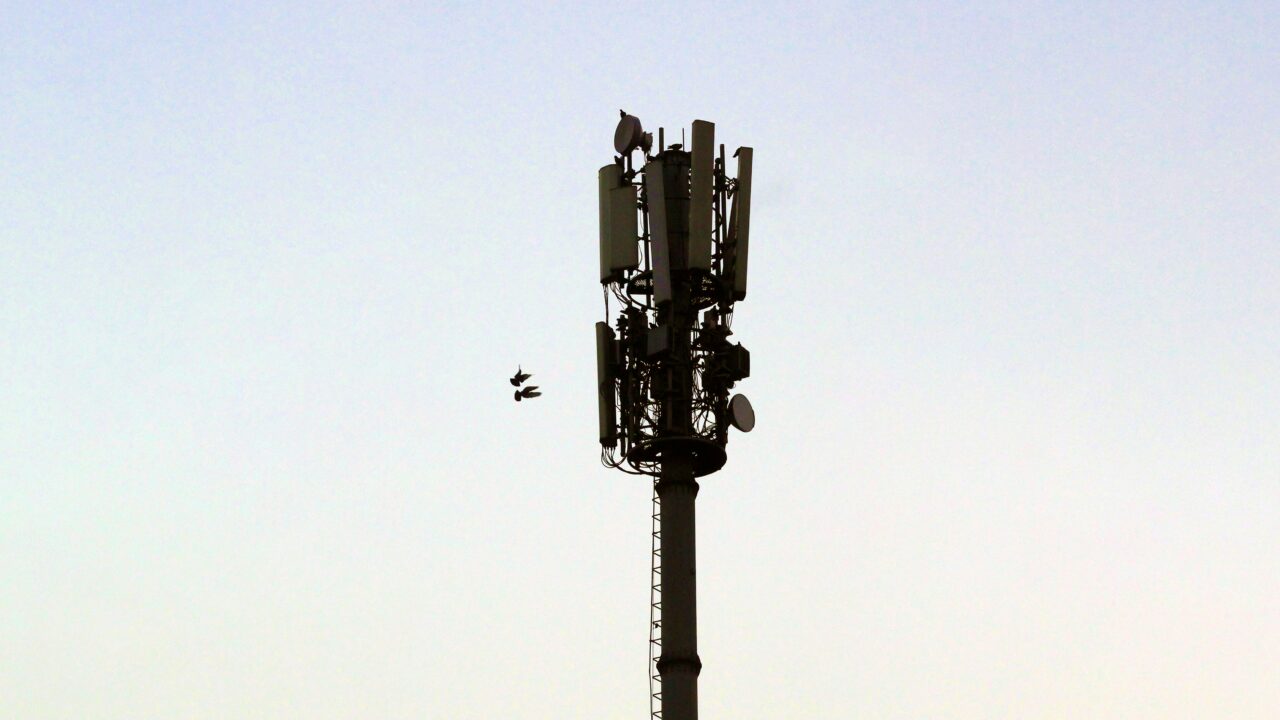
5G UK coverage is better than the early adverts made it look, but it is still not a magic upgrade. The useful question is not whether 5G exists. It is whether it changes anything where you live, work and travel.
The Short Version
5G UK service can feel much faster than 4G in busy cities, at stations, in venues and in areas with strong standalone coverage.
It can feel almost identical to 4G when the signal is weak. The same applies when the network is busy or basic.
For most people, 5G UK matters most when they stream, upload large files, tether a laptop, use maps all day, or try mobile home broadband.
Do not upgrade just for the logo. Check coverage, speed limits, indoor signal and the real monthly price first.
What 5G actually means in the UK
5G UK means the fifth generation of mobile network technology used by UK mobile operators. It follows 4G, which still carries a huge amount of everyday phone traffic.
The simple promise is faster data, lower delay and better capacity in crowded places. Capacity matters because networks slow down when too many people share the same local mast.
There are two main versions to understand. Non-standalone 5G uses 5G radio equipment with a 4G core network behind it.
Standalone 5G uses a 5G core as well. That is closer to the full version people were promised when 5G first arrived.
This distinction explains a lot of the confusion. A phone can show a 5G symbol without giving you the full set of 5G benefits.
Ofcom’s Connected Nations spring 2026 update reports mobile coverage as of January 2026. It also tracks standalone 5G as a separate measure.
Why the 5G logo does not tell the whole story
5G UK coverage is not one single thing. It depends on your network, local mast, indoor signal, phone, tariff and the time of day.
A city centre phone may download a film quickly at lunch. The same phone may feel ordinary in a house with thick walls.
Frequency matters too. Lower frequencies travel further and pass through buildings better. Higher frequencies can carry more data, but they cover shorter distances.
That is why network maps can look better than daily experience. They often show outdoor coverage, while you may care about a kitchen, train carriage or office desk.
There is also a tariff problem. Some mobile plans support 5G but cap the top speed. Others give faster access only on higher priced plans.
This is why 5G UK should be judged with a local test, not a national slogan. A signal checker is useful, but a speed test in your normal places is better.
Where 5G makes a clear difference
5G UK is most useful when 4G is under strain. Busy railway stations, sports grounds, shopping centres and city streets are good examples.
In those places, extra capacity can matter more than headline speed. A page that loads reliably beats a theoretical gigabit speed you never see.
It also helps people who move large files. That includes photographers, tradespeople, field workers and small business owners who tether a laptop from their phone.
Video calls can also improve when upload speeds are stronger. Upload speed is the part many people forget, because broadband adverts focus on downloads.
Mobile gaming is another case, but it is narrower than the marketing suggested. Lower latency can help, but many games still work well on a decent 4G signal.
If your phone use is messaging, maps, email and scrolling, 5G UK may feel like a small improvement. That is not failure. It just means 4G was already good enough for those jobs.
Why 5G home broadband is different
5G UK home broadband can be more useful than mobile 5G for some households. It uses a router that receives a mobile signal and creates Wi-Fi at home.
This can help where fibre is unavailable, slow or expensive to install. It can also help renters who want broadband without a long fixed-line contract.
The trade-off is consistency. A fixed fibre line usually gives steadier performance than a mobile signal shared with nearby users.
Walls, trees, hills and local congestion can all affect the result. Weather can also matter at the edge of a weak signal area.
The best test is practical. Put the router where the signal is strongest, run several speed tests, then try normal evening use.
Cristoniq’s guide to 5G home broadband goes deeper on that choice. It is worth reading before replacing a fixed line.
The private 5G story most consumers do not see
Some of the strongest 5G use cases are not aimed at consumers. They sit inside factories, ports, warehouses, campuses and hospitals.
Private 5G means an organisation runs a dedicated mobile network for its own site. It can give machines, vehicles and sensors a more controlled connection.
That can matter where Wi-Fi struggles with movement, interference or reliability. It also lets a business set strict rules for security and performance.
The UK government’s Wireless Infrastructure Strategy treats advanced wireless as part of wider economic infrastructure. That is a clue about where much of the value sits.
This does not mean remote surgery is suddenly normal. It means many 5G benefits arrive first in controlled business settings.
For ordinary users, that can feel disappointing. For the economy, it may still be useful. Both things can be true.
A Worked Example
Imagine you are choosing a new phone contract in Leeds. The network map says 5G UK coverage is available at your postcode.
That is only the first check. You test your current phone outside, inside your home, on your commute and near your workplace.
Outside, downloads are fast. Indoors, the phone drops back to 4G. On the train, 5G appears but speeds swing sharply.
That tells you the upgrade may help during the day, but not at home. If your main problem is home broadband, a phone tariff will not fix it.
Now compare the contract. A cheaper plan may cap speeds or exclude some roaming features. A dearer plan may add data you never use.
The better decision is not simply the 5G plan. It is the plan that solves your actual weak point at a fair price.
What to check before upgrading
Start with the Ofcom mobile checker and your network’s own map. Treat both as guides, not guarantees.
Then test the places you use most. Home, work, school runs, train platforms and regular client sites matter more than a national coverage claim.
Check whether your phone supports the right bands and standalone 5G. Older 5G phones may miss newer network features.
Read the tariff terms for speed caps. A 5G label on a cheap plan does not always mean the fastest available service.
Finally, think about device timing. If your current phone works, do not replace it only because 5G UK sounds modern.
For adjacent choices, Cristoniq’s guides to smartphone settings and USB-C are useful. They cover changes you may notice more often than raw network speed.
What This Means For You
The sensible view is boring but useful. 5G UK is real, improving and worth having when it comes bundled with a normal upgrade.
It is not worth paying a large premium for unless you have a clear use case. That use case might be tethering, travel, uploads or mobile broadband.
If you live in a strong coverage area, 5G can make your phone feel more reliable. If you do not, it may mostly be a badge on the screen.
The best consumer move is to test before committing. A one-month rolling plan can teach you more than any advert.
In Plain English
5G is faster mobile internet, but only when the local network is good enough. The logo on your phone is not proof of that.
It helps most in crowded places, for heavy data use and for some home broadband setups. It matters less for messages, email and normal browsing.
Do not ask whether 5G is good in general. Ask whether it is good in your normal places, on your network, at your price.
Related Reads
5G Home Broadband: Fibre Alternative Or Backup?
Smartphone settings worth changing on day one
The UK copper landline switch-off: what you need to do
USB-C explained: why the same plug does not mean the same thing