What is Solana and why does it matter?
Solana promises faster, cheaper transactions than Ethereum. Here is what it actually is, how it survived the FTX collapse, and why institutions are paying attention.
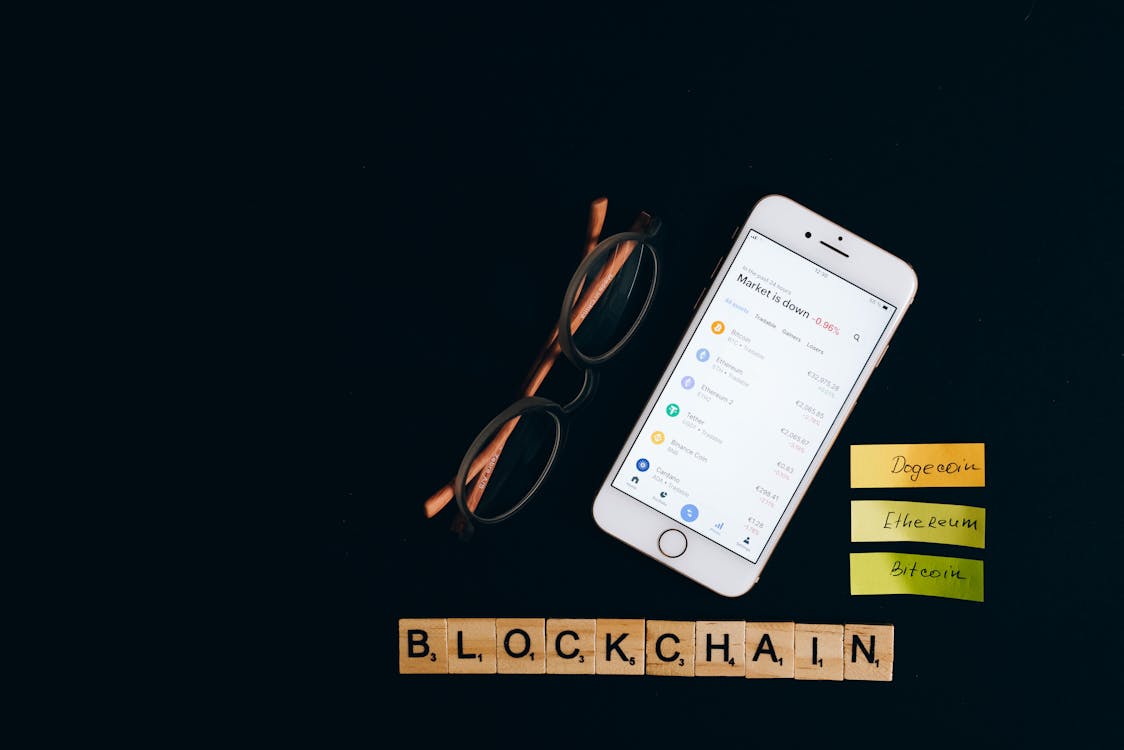
Spend time reading about crypto and you will see three names above all others: Bitcoin, Ethereum, and Solana. Bitcoin is the original. Ethereum brought smart contracts. Solana came later with a different ambition entirely.
That ambition was simple to state. Do what Ethereum does, only faster and cheaper. Do it at a scale that can handle millions of users at once. That promise attracted serious money, serious developers, and serious scrutiny.
Solana is a Layer 1 blockchain. That means it runs its own consensus, its own validators, and its own rules. It was founded by Anatoly Yakovenko, a former Qualcomm engineer. The network launched in March 2020.
How the Solana blockchain works
The core innovation behind Solana is called Proof of History. It is a cryptographic clock. It timestamps transactions before they reach consensus. This cuts the communication validators need to agree on ordering, and that is what makes the network fast.
The Solana blockchain handles several thousand transactions per second on its base layer. Ethereum manages around 15 to 30. That gap matters to developers building payment tools, trading platforms, and games. Fast, cheap settlement changes what is possible to build.
Fees are tiny on Solana. A typical transaction costs a fraction of a penny. Ethereum fees have ranged from small to very large during busy periods. For users making many transactions, the difference is real.
SOL tokens power the network. They pay for transactions. They are also staked by validators, who earn rewards in return. Validators with more SOL carry more weight in the consensus process.
What is built on Solana
The speed and low fees have attracted a large DeFi ecosystem. Decentralised exchanges like Jupiter and Raydium handle large volumes. In late 2024, Solana’s exchange volume overtook Ethereum’s for ten straight months. That shift was a genuine signal of where active traders were moving.
The network also hosts NFT marketplaces, lending protocols, and stablecoin activity. By early 2026, stablecoin transactions on the Solana blockchain had surpassed $650 billion. The post on how stablecoins are used in the real world covers why fast, low-cost networks have become the preferred rails for stablecoin transfers.
Real world asset projects have grown quickly on the network. The network’s RWA market cap had reached $1.71 billion by early 2026. The post on what real world assets in crypto actually are explains how blockchain rails are being used for traditional assets. Solana’s settlement speed makes it an attractive option here.
Developer activity has been healthy too. More new projects deployed to Solana in 2024 than in any previous year. The tooling has improved. Testing ideas is cheap because fees are low.
The FTX crisis and what came after
Solana’s biggest test came in November 2022, when FTX collapsed. FTX and its sister firm Alameda Research had been large holders of SOL and major backers of the ecosystem. The post on what happened at FTX and what it meant for investors tells the full story. For Solana, the consequences were immediate and severe.
SOL crashed from around $35 to under $10 in weeks. Developers left. Projects moved elsewhere. It happened fast.
Confidence in the Solana blockchain collapsed quickly. It was not clear the ecosystem would survive as a major network. The Foundation had lost its most prominent backer overnight. The path forward was uncertain.
What followed was a genuine recovery story. Developers who stayed kept building. The Solana Foundation restructured its ecosystem support. By mid-2023, network activity was climbing again.
By 2024, SOL had recovered well above pre-FTX levels. In March 2025, 11.2 million SOL tokens were unlocked from FTX’s bankruptcy proceedings. They were worth over $2 billion. The market absorbed the sell pressure without major disruption.
The outage record and the reliability question
Reliability has been the other concern. Between 2021 and early 2023, the Solana blockchain suffered seven significant outages. Some lasted hours. These were caused by software bugs and difficulty handling floods of spam transactions.
For a network claiming to be ready for mainstream use, that was a serious problem. Finance does not tolerate downtime. The outage record was the biggest obstacle to institutional adoption. It has since improved greatly.
In February 2025, Solana completed its first full year without a major consensus failure. By early 2026, reported uptime had reached 99.99%. Firedancer, a new client built by Jump Crypto, adds a second independent software stack. If one client fails, the other keeps the network running.
The decentralisation trade-off
The Solana blockchain achieves speed by demanding more from validators. Running a Solana validator requires more computing power than running an Ethereum one. This limits who can participate. As of early 2026, the network had around 1,500 active validators.
Ethereum had roughly 900,000. The two networks define validators differently, so a direct comparison is not simple. Critics argue Solana is more centralised in practice. Supporters point to improving geographic spread and growing client diversity.
The Solana Foundation’s validator statistics track this in real time. The trend has been toward broader distribution. For everyday users, validator concentration makes little difference day to day. For institutions thinking about long-term infrastructure, it is a factor worth examining.
It is worth comparing what each network prioritises. Ethereum optimises for decentralisation and security. Solana optimises for speed and throughput. Both choices are deliberate.
Both are valid choices. They reflect different views on what a public blockchain should prioritise first. The trade-offs are real and intentional. Neither approach is obviously wrong.
For investors, this distinction matters. Holding SOL is a bet on the Solana ecosystem growing. It is not like holding Bitcoin, which is primarily a store of value. The two assets serve different purposes.
SOL rises or falls with how much the network is used. Developer activity, transaction volume, and fee revenue are the signals that matter. Watching those is more useful than watching the price alone. Price often follows.
Institutional adoption in 2026
Institutional interest has grown significantly. Goldman Sachs disclosed $108 million in SOL holdings in early 2026. BlackRock’s BUIDL fund cleared $550 million on the network. Citigroup completed a full trade finance lifecycle on Solana.
A nationally chartered US bank opened native deposits on the Solana blockchain. These are not crypto projects testing the margins. They are major financial institutions using Solana for real transactions. That is a meaningful shift in how the network is being used.
The 2026 roadmap reflects this direction. The Alpenglow upgrade targets block finality of around 150 milliseconds. That is fast enough for the settlement speeds traditional finance requires. Faster finality expands what the network can be used for.
Solana represents a clear philosophy. Prioritise speed and usability now. Address decentralisation challenges as the technology matures. That is a considered bet.
The FTX crisis showed the ecosystem can survive a severe shock. Institutional adoption in 2026 suggests the market has reached a similar conclusion. The Solana blockchain is not without its critics or its open questions. But it has earned its place as a serious network.
The test from here is simple to state. The Solana blockchain needs to stay stable and keep fees low. It needs to attract developers who build applications people use. Execution is what matters now.
The reliability improvements since 2023 are a positive sign. Whether they hold under the increased load of institutional adoption is the question the next few years will answer. That is the test that matters most now. Nothing is guaranteed.
This article is for informational purposes only and does not constitute financial advice. Cryptocurrency investments carry significant risk. Always do your own research before making any financial decisions.