
What is cryptocurrency? What the word actually means
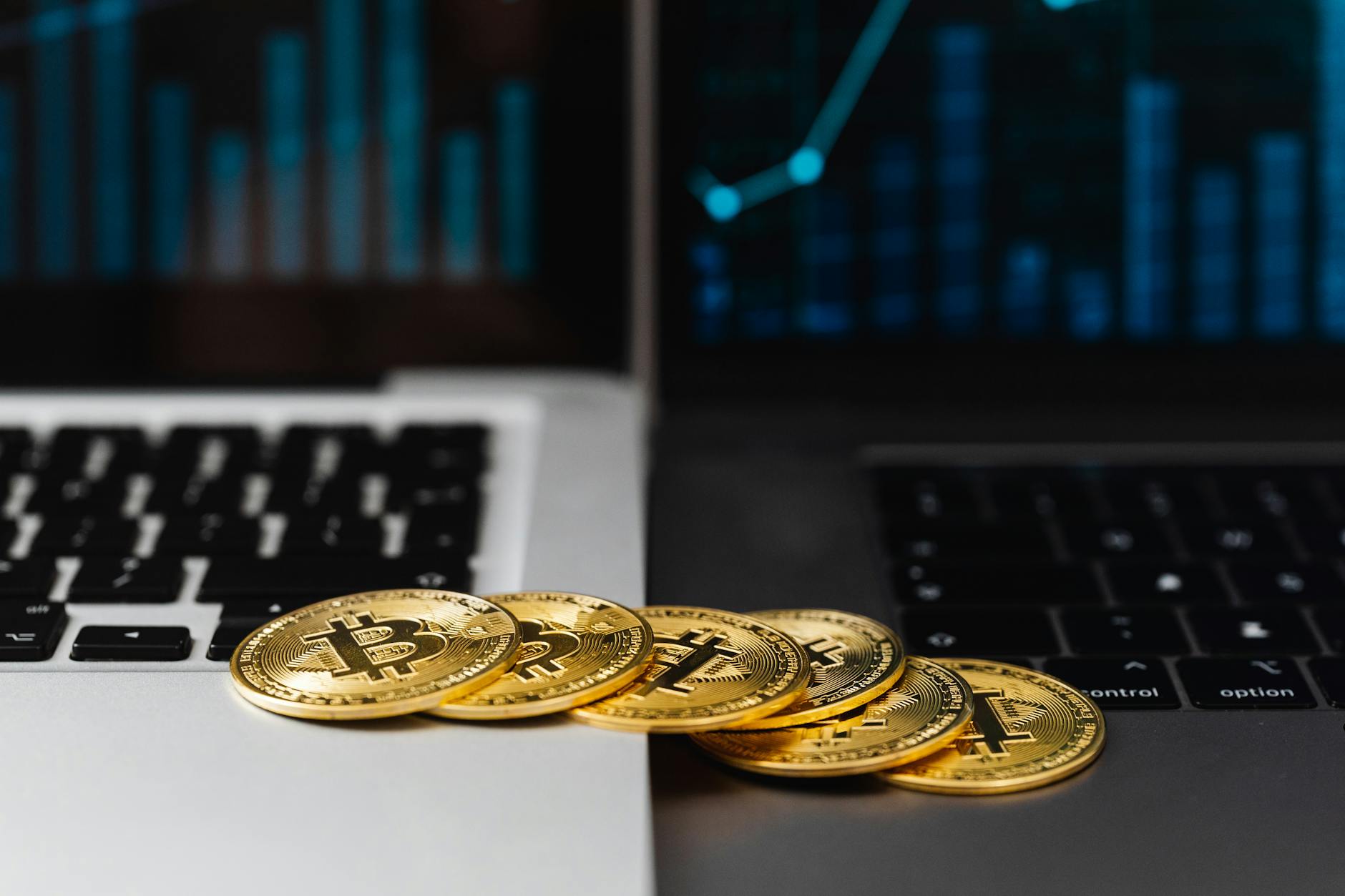
Walk into any coffee shop in Britain and order a flat white. You hand over a fiver, tap a card, or wave your phone at a reader. The transaction is over in seconds. Behind it sits a stack of institutions you never see.
That stack includes a retail bank, a card network, a clearing house, a central bank, and a regulator. None of them know you. They all trust each other enough to move the numbers around on your behalf. That is how money has worked here for a long time, and most of us never have any reason to think about it twice.
Cryptocurrency tries to do the same job with none of those institutions in the middle. So what is cryptocurrency, in plain English? It is a word used constantly and explained poorly. The best place to start is with the word itself.
Where the word cryptocurrency comes from
Crypto comes from the Greek for hidden or secret. In this context it refers to cryptography, the science of keeping information safe using mathematical techniques. Currency means a medium of exchange, a thing people use to buy and sell.
Put the two halves together and you get a currency secured by maths. No government runs it, no central bank backs it, and no physical asset like gold sits behind it. The record of who holds what is kept by everyone on the network at the same time. That single idea is the whole point of the exercise.
How cryptocurrency actually works
The difference between cryptocurrency and ordinary money is who keeps the record of who owns what. When you send ten pounds to a friend’s account, a bank updates its internal ledger. Your balance drops by ten, theirs rises by ten. You trust the bank to do that accurately and honestly.
The whole system rests on that trust. If the bank fails, the government freezes your account, or a payment is blocked, there is nothing you can do from the outside. You are not the one in control of the record.
Cryptocurrency removes the bank from the middle. Instead of one institution holding the ledger, thousands of computers across the world each hold a copy. No single entity controls it. Transactions are verified by the network itself, not by a trusted third party.
The jargon for this is trustless and decentralised. The idea at the heart of it is simple. Nobody needs to take anyone’s word for anything. The maths does the work.
The underlying record is what people call a blockchain, and it is the technology that makes every cryptocurrency possible. The first working version of this idea was Bitcoin, launched in 2009. It showed that a digital currency could run without a central authority and still hold together. Every cryptocurrency since has built on that template in one way or another.
Not every cryptocurrency works in quite the same way. Some, like Bitcoin, run on their own network and are usually called coins. Others, sometimes thousands of them, run on top of a different network and are usually called tokens. The post on the difference between a coin and a token goes into that split in more depth.
Why people in the UK actually buy cryptocurrency
In practice, it is worth being honest about how people use cryptocurrency today. The original vision was a digital cash system for everyday spending. Most cryptocurrency in the UK now functions more like a speculative asset than like money.
A small number of shops accept Bitcoin. El Salvador made it legal tender in 2021. But the average UK holder is not paying for groceries with Ethereum. They are watching a price chart and hoping the number goes up.
Volatility is the main reason. You do not want to pay for your morning coffee with something that might be worth twenty percent less by the afternoon. That same volatility is also what makes some people buy in. They want exposure to assets that can move sharply, in either direction.
Price moves in cryptocurrency markets do not follow the usual rules. There are no earnings reports, no dividends, and no central bank setting interest rates. The price of a coin reflects a mix of supply, demand, network activity, and sentiment. That mix can shift in a single news cycle, which is why the chart can look very different from one week to the next.
A common misconception is that only a handful of cryptocurrencies exist. The real number is in the thousands. At the last count, more than 20,000 different coins or tokens are listed somewhere. The vast majority are worthless or very close to it.
Bitcoin and Ethereum sit at the top end of the market. They have genuine scale, deep liquidity, and long track records. Many of the rest are speculative side projects, outright scams, or failed experiments. The number being large does not mean they all have value.
What the UK rules around cryptocurrency look like
The UK does not ban cryptocurrency, but it does treat it carefully. You can legally buy, sell, and hold crypto through registered exchanges. You cannot expect the same protections that come with a regulated bank account or pension product.
The Financial Conduct Authority is the body that polices the consumer side. Its guidance for consumers on cryptoassets is blunt about the risks. It tells people that crypto is high risk, and that most crypto firms are not authorised by the FCA. It also says investors should be prepared to lose everything they put in.
Tax matters too. HMRC treats cryptocurrency as a form of property rather than as money. If you sell a coin for more than you paid, the gain can be liable for capital gains tax. The post on whether crypto is legal in the UK covers the rules in more detail.
Another misconception worth addressing is the idea that cryptocurrency is either the inevitable future of money or an obvious fraud. Neither view holds up well. Bitcoin is over fifteen years old. It has survived multiple crashes of eighty percent or more, and has each time recovered to new highs.
At the same time, it has not replaced sterling in your account. For most practical purposes it behaves like a volatile asset class, not a currency. Whether cryptocurrency is a future form of money, a digital version of gold, or a long experiment that will deflate is genuinely contested.
For UK readers wanting a closer look, the practical entry point is a registered exchange and a small amount of money. The post on how to buy cryptocurrency in the UK walks through that process step by step. Start small, learn as you go, and never put in money you cannot afford to lose.
You do not need a strong opinion on any of that to benefit from understanding how it works. The concepts behind cryptocurrency, public ledgers, cryptographic proof, decentralised networks, are now showing up in banking, identity systems, supply chains, and government services. The articles that follow in this section build that picture one layer at a time. Walk into the next news story and you will know what is actually being said.
This article is for informational purposes only and does not constitute financial advice. Cryptocurrency investments carry significant risk. Always do your own research before making any financial decisions.