What is the difference between a coin and a token?
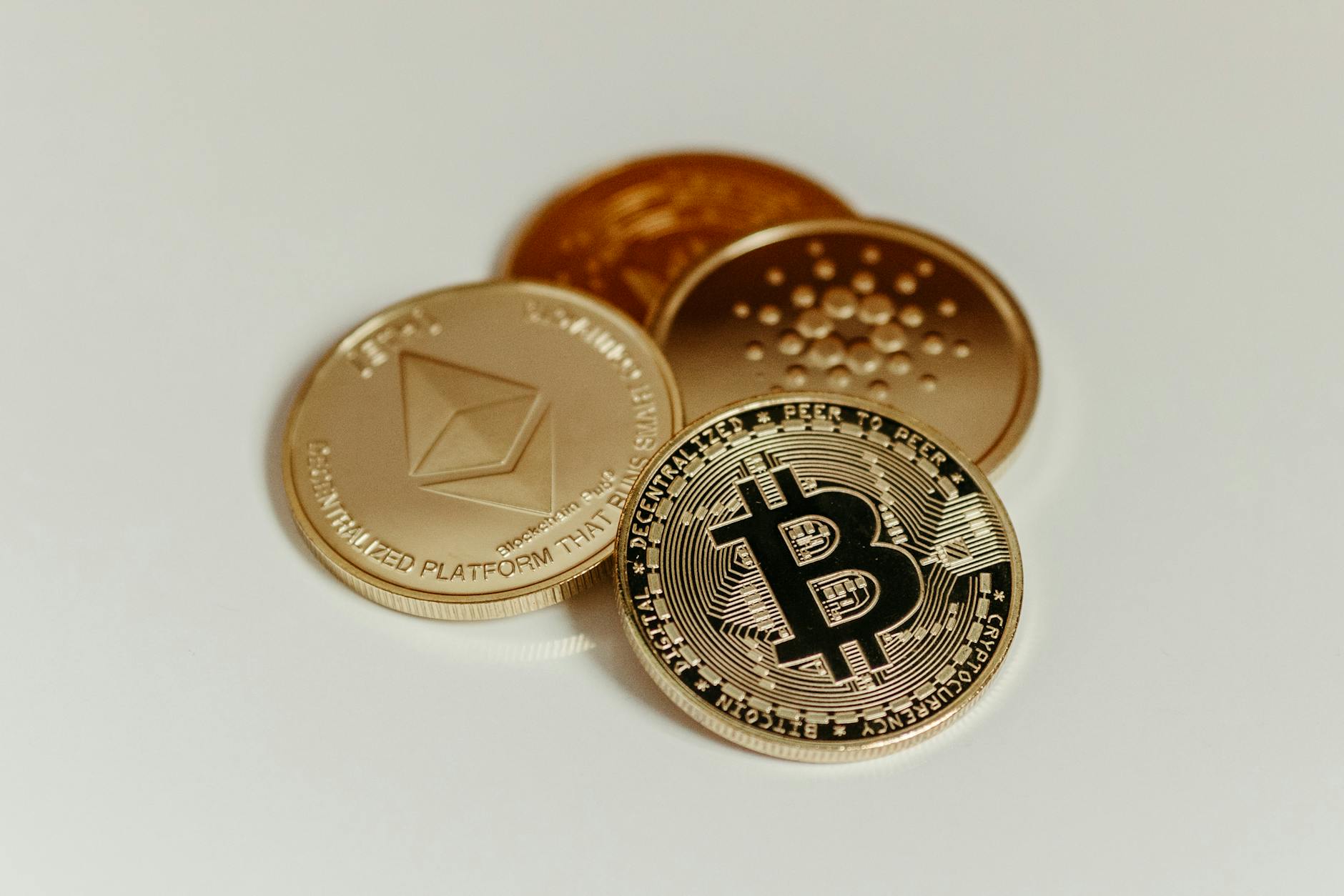
Open any crypto exchange and you will see thousands of tickers. Bitcoin and Ether sit near the top. Below them is a long tail of names you have never heard of. Each has a logo, a chart, and a market value that can move 40% in an afternoon. The words “coin” and “token” get thrown around as if they mean the same thing. They do not. The coin vs token distinction is one of the first things worth understanding in this space. It tells you a lot about what you are actually buying.
What makes a coin different from a token
A coin is the native currency of its own blockchain. Bitcoin is a coin. It lives on the Bitcoin network, which exists for one purpose: moving bitcoin around. Ether is a coin. It is the fuel of the Ethereum network, used to pay for every transaction and every piece of computation that runs on it. Solana’s SOL is a coin. Each of these has its own underlying infrastructure, its own set of validators or miners, and its own economic rules. If the network shuts down tomorrow, so does the coin. The two cannot be separated.
A token is something different. In the coin vs token comparison, a token is built on top of an existing blockchain rather than having its own. The vast majority of tokens live on Ethereum, using a technical standard called ERC-20. When a new project launches a cryptocurrency, they almost never build a blockchain from scratch. Instead, they deploy a small piece of code, a smart contract, onto a network that already exists. That contract defines the rules of their token: how many exist, who holds them, and how they can be moved. USDC is a token. DAI is a token. The governance tokens of most DeFi protocols are tokens. So are the majority of the twenty thousand plus cryptocurrencies available right now.
Think of the coin vs token difference like this. A blockchain is a country. A coin is that country’s national currency. A token is a voucher issued by a business operating inside the country. The national currency depends on the country existing and functioning. The voucher depends on both the business issuing it and the country it is printed in. When a London coffee shop gives you a loyalty card you can trade for drinks, you are not holding pounds. You are holding a private asset that only means something inside that one shop. It works only because the pound already exists. That is roughly the relationship between ETH and an ERC-20 token.
Why most tokens exist and what most of them are worth
The reason the coin vs token question matters practically is the difficulty of creating each one. Creating a coin is hard. It involves designing consensus mechanisms, convincing people to run nodes, bootstrapping security, and maintaining the network for years. It takes teams of cryptographers and serious capital. Creating a token, by contrast, is trivially easy. Anyone with a small amount of technical knowledge can deploy one on Ethereum in under an hour. A determined teenager could do it before lunch. This is partly why there are so many tokens, and why most of them are worthless.
Token standards vary by blockchain, and knowing which standard applies to an asset you are buying tells you more than it might seem. ERC-20 is the dominant standard on Ethereum, used by the majority of tokens in circulation. BEP-20 is the equivalent on BNB Smart Chain, operated by Binance. TRC-20 tokens live on the Tron network. The standard tells you which blockchain a token lives on, what rules govern how it moves, and which wallets can interact with it. A token built to ERC-20 can be held in any Ethereum-compatible wallet, traded on any Ethereum-based exchange, and used in any compatible application. That interoperability is useful, but it also means the token’s fate is tied to its host chain. In coin vs token terms, the coin risk is losing the entire blockchain. The token risk is losing either the blockchain or the issuing project.
The common misconception is that a coin is automatically more valuable or more trustworthy than a token. That is not true. Some tokens represent genuine utility in well-built systems that people actively use. USDC is a token, and it has become one of the most important pieces of plumbing in the entire crypto economy. When you pay gas fees on the Ethereum network, you pay in ETH, the coin. But the transaction itself might be moving a token like USDC from one address to another. At the same time, plenty of coins with their own blockchain are functionally dead. A handful of holders prop them up, hoping the price will recover. What the coin vs token distinction really tells you is how much infrastructure has been committed to a project. Not whether the project is worth anything. You still have to work out what the thing actually does and whether anyone needs it.
What the coin vs token distinction means for UK investors
For anyone in the UK thinking about this space, there is also a regulatory layer to consider. The Financial Conduct Authority has been tightening rules around crypto promotions. How a cryptocurrency is classified can affect how it is taxed and how it can be marketed. HMRC generally treats individual crypto holdings as assets for capital gains tax purposes, whether they are coins or tokens. But the mechanics of what you are holding matter when things go wrong. If a token issuer vanishes, the smart contract on Ethereum keeps running, but the project behind it may be gone. If a small coin’s blockchain loses its validators, the coin itself stops working. The failure modes are different. Understanding the coin vs token difference tells you which failure mode applies to what you are holding. Read a full guide to how crypto is regulated in the UK if you want to understand the current FCA framework before putting money in.
HMRC makes no structural distinction between coins and tokens for tax purposes: both are treated as cryptoassets subject to capital gains tax on disposal. What matters to HMRC is the gain, not the underlying architecture. But the legal and practical risks differ considerably. Token projects are far more numerous, far less regulated, and far more likely to fail. The FCA’s consumer cryptoasset guidance is worth reading before investing, particularly the point that most cryptoassets are not covered by the Financial Services Compensation Scheme. If you lose money on a failed token project, you have no recourse. Applying the coin vs token distinction as a first filter is basic due diligence, not an advanced one.
When you see a new cryptocurrency being promoted, the coin vs token question is the first one to ask. If it is a token, ask three things. Who built it, what blockchain is it on, and what does it actually do? More importantly: why does it need to exist as a separate asset at all? A surprising number of tokens cannot answer that convincingly. If it is a coin, the questions are different. Is the network genuinely secure? Does anyone use it, and is there any real economic activity on it beyond speculation? In both cases, the goal is the same. Look past the ticker and the logo. Work out what is underneath. Most of the time, the answers will tell you to keep walking.
This article is for informational purposes only and does not constitute financial advice. Cryptocurrency investments carry significant risk. Always do your own research before making any financial decisions.