What Happens If You Lose Access to Your Crypto Wallet?
Crypto wallet access explained in plain English: what happens when keys or seed phrases are lost, and how self-custody changes the risk.
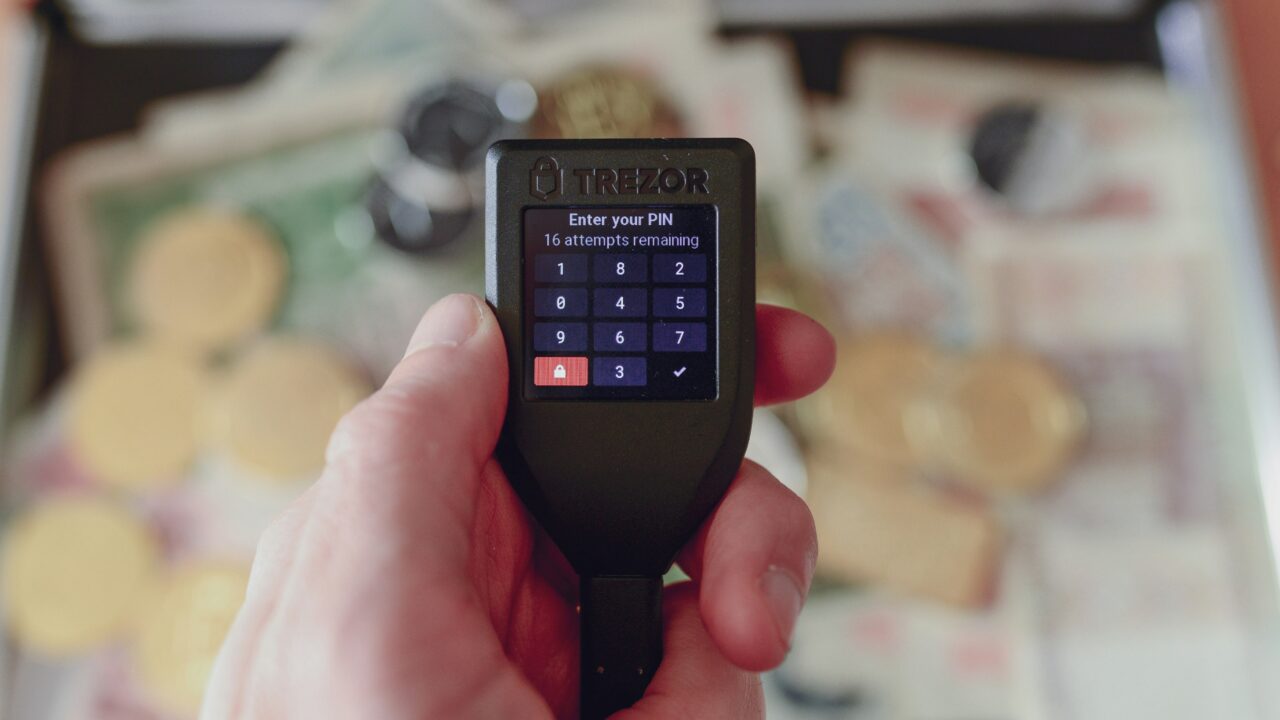
A crypto wallet does not work like a bank login. If you lose the private key or recovery phrase for a self-custody wallet, there may be no helpdesk that can reset it. That is the point of self-custody, and also the risk.
The Short Version
- A crypto wallet holds the keys that let you control cryptoassets on a blockchain.
- If you lose a self-custody wallet recovery phrase, access can be lost permanently.
- An exchange account is different because the platform may control custody and account recovery.
- Recovery scams are common, and anyone asking for your seed phrase should be treated as a threat.
What a crypto wallet actually controls
A crypto wallet does not normally store coins inside the app. The assets sit on a blockchain, which is a shared record of transactions.
The wallet stores the keys that prove you can move those assets. A private key is the secret that signs a transaction.
Most ordinary users do not handle the raw private key. They handle a recovery phrase, often called a seed phrase.
That phrase is a list of words that can rebuild access to the wallet. If someone else gets it, they may be able to move the assets.
This is why the basic crypto wallet explainer matters before you look at loss or recovery. The wallet is really an access system.
Once you understand that, the risk becomes clearer. Losing the access tool can be the same as losing control of the assets.
Why self-custody changes the rules
Self-custody means you control the keys yourself. It gives you more direct control, but it also gives you more responsibility.
With a bank account, a forgotten password is usually an inconvenience. With a self-custody wallet, it can be final.
A crypto wallet provider may not know your recovery phrase. It may not be able to see your private key or move assets for you.
Coinbase says its wallet recovery process depends on recovery credentials, and warns that sharing a recovery phrase can give someone access. Its wallet recovery guidance is a useful reminder of the control trade-off.
Hardware wallets work on the same core idea. Ledger’s recovery phrase guide explains why the phrase must be protected and kept private.
The point is not that one brand is safer than another. The point is that recovery depends on how custody is set up.
What happens if the phrase is gone
If the recovery phrase is gone and no device still has access, the assets may be unreachable. No central authority can simply change the blockchain record.
That is different from losing a debit card. A bank can cancel the card, check your identity, and issue a new one.
With a self-custody crypto wallet, the proof of control is the key. If the proof is missing, the network has no reason to accept your transaction.
There are edge cases. If you still have an unlocked device, you may be able to move assets to a new wallet before access is lost.
If you have a proper backup, you may be able to restore the wallet on a new device. If you have neither, there may be no practical recovery path.
That is why the seed phrase guide is one of the most important crypto safety posts. The phrase is not a password hint. It is control.
How exchange accounts are different
Many people first buy crypto through an exchange. An exchange is a platform that lets users buy, sell, and hold cryptoassets.
If the exchange controls custody, account recovery may look more familiar. You may reset a password or pass identity checks.
That does not make it risk-free. The platform may fail, freeze withdrawals, suffer a hack, or face regulatory action.
The difference is who controls the keys. In self-custody, you carry the key risk. On an exchange, you carry platform risk.
This is why the crypto exchange guide and wallet guide should be read together. They describe different kinds of trust.
The FCA warns that cryptoassets are high risk and speculative. Its cryptoassets consumer page says people should be prepared to lose all the money they invest.
The recovery scam risk
Losing access creates panic. Scammers know this and often target people searching for wallet recovery help.
A common trick is to promise guaranteed recovery. Another is to ask for your recovery phrase, private key, or remote access to your computer.
Anyone who asks for the phrase can take the assets. That is true even if the website looks official or the message sounds urgent.
Ledger tracks phishing campaigns that ask users to enter recovery phrases. Its phishing status page is a useful example of how these attacks are framed.
A crypto wallet recovery problem is stressful, but urgency helps the scammer. Slow down, use official support pages, and never type the phrase into a random link.
For the wider pattern, see how crypto scams work. The method changes, but the pressure tactics are often familiar.
A Worked Example
Imagine you set up a self-custody wallet on your phone. You write the 12-word phrase on a piece of paper and put it in a drawer.
A year later, the phone breaks. You buy a new phone and install the same wallet app.
If you still have the recovery phrase, you can restore access. The app rebuilds the wallet from the phrase and shows the same blockchain assets.
If the paper is gone, the result is very different. The app cannot prove you control the wallet.
If no other device is still logged in, the assets may remain visible on the blockchain but impossible for you to move.
This is the harsh lesson of a crypto wallet. Ownership is not about remembering an email address. It is about controlling the key material.
What This Means For You
Before using self-custody, decide whether you are ready to manage backups. If the answer is no, do not pretend the risk is small.
Write the recovery phrase clearly. Store it somewhere private, durable, and separate from the device it protects.
Do not photograph it, email it to yourself, or save it in an ordinary notes app. Convenience can create a new attack route.
Test small amounts before moving larger sums. Make sure you understand how restoration works before it becomes an emergency.
A crypto wallet gives control, but control is not the same as safety. The safety comes from how carefully the access is managed.
In Plain English
A crypto wallet is a key holder. If you lose the key or the recovery phrase for a self-custody wallet, no company may be able to reset it.
An exchange account can feel easier because recovery may work like a normal login. The trade-off is that you are trusting the platform.
The practical lesson is simple. Protect the recovery phrase, understand who controls the keys, and treat recovery promises with extreme caution.
Related Reads
- What is a crypto wallet?
- What is a seed phrase, and why must you protect it?
- How to Store Crypto Safely: The One Rule That Matters
- How Crypto Scams Work
Crypto risk note: Cryptoassets are high risk and can be extremely volatile. You should be prepared to lose all the money you put into crypto. This article is for educational purposes only and is not financial advice.