What is a crypto wallet?
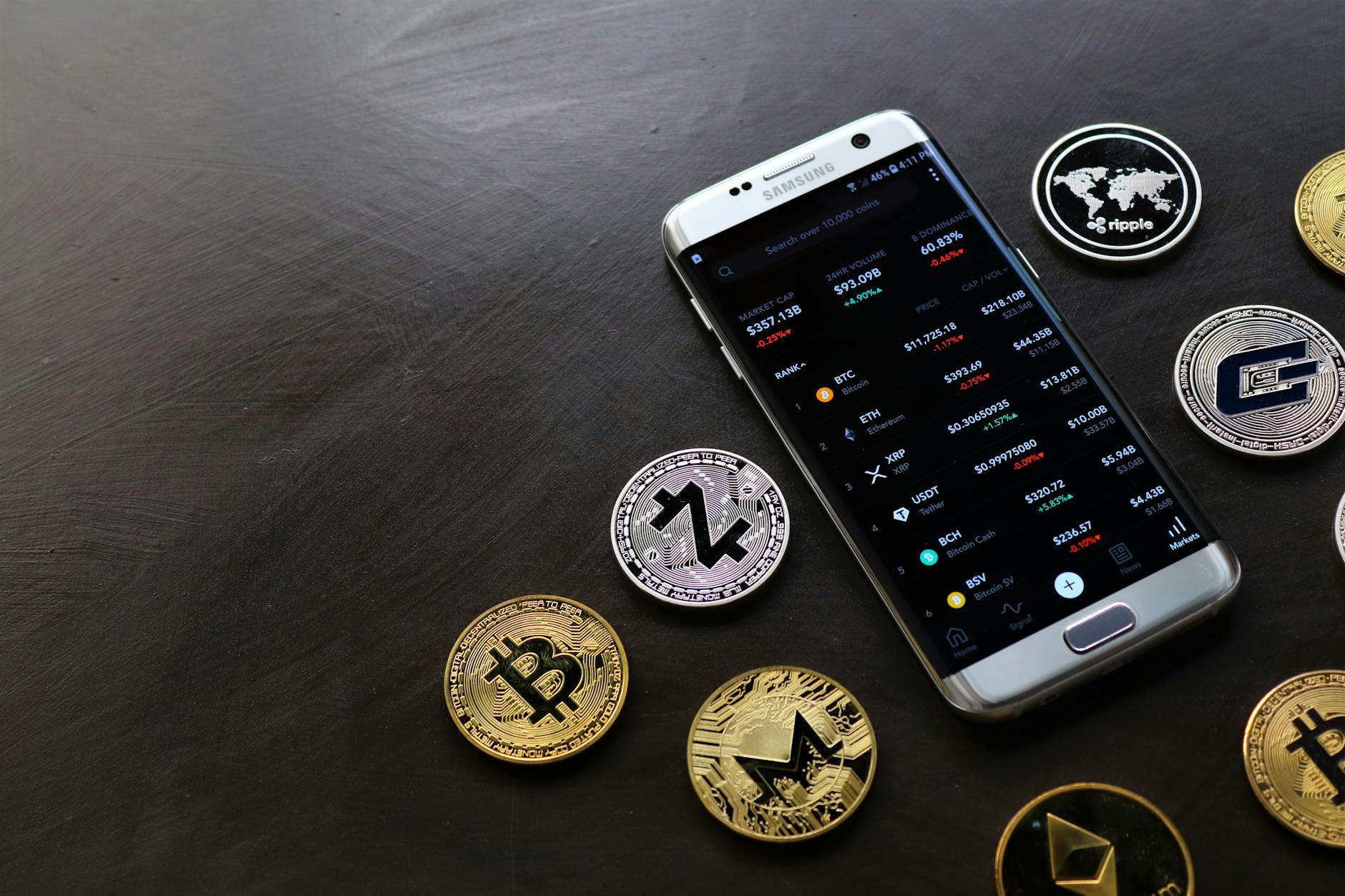
The phrase “crypto wallet” is slightly misleading, because a wallet in the ordinary sense holds money. A crypto wallet does not. Your crypto never actually leaves the blockchain. What a wallet holds is something more important, and more dangerous: the keys that prove the crypto on the blockchain belongs to you. Lose those keys, and the crypto might as well be sitting on the surface of the moon. Understand that one sentence properly and you are already ahead of a surprising number of people who own the stuff.
Every wallet is built around two strings of characters called a public key and a private key. The public key is the part you share. It is like a bank account number. Anyone can send crypto to it, and nothing bad happens if a stranger sees it. The private key is the opposite. It is the proof of ownership, the thing that signs transactions, the reason you and nobody else can move the assets at a given address. Whoever has the private key controls the money. It really is that stark. There is no password reset, no fraud department, no branch you can walk into. The private key is the whole thing.
There is a famous phrase in the crypto world: “not your keys, not your coins”. It sounds like a slogan until you think about what it means. If your Bitcoin is sitting on an exchange, and you have never moved it out of that exchange, you do not actually hold a private key for it. The exchange does. What you hold is an IOU from the exchange saying you are owed a certain amount of Bitcoin. Most of the time, that IOU is fine, because most exchanges are solvent and well run. When it is not fine, as in the collapse of FTX in November 2022, the IOU becomes worthless while the underlying Bitcoin keeps merrily existing on the blockchain in wallets you cannot touch. That is the practical reason wallets exist.
Wallets come in a few main flavours, and the differences matter more than the branding. Hot wallets are the ones connected to the internet. Browser extensions like MetaMask, mobile apps like Trust Wallet, and the wallets built into exchange apps all fall into this category. They are convenient. You can sign a transaction in a few seconds. The trade off is that anything connected to the internet is, in principle, reachable by attackers, and a machine that has been compromised is a machine whose wallet is compromised. Cold wallets live offline. Hardware devices like a Ledger or a Trezor are small USB sized boxes that keep your private keys completely away from the internet. When you want to make a transaction, you plug the device in, approve the action physically on the device itself, and unplug. Harder to use, much harder to steal from.
There is another distinction that matters: custodial versus non custodial. A custodial wallet is one where someone else holds the keys on your behalf. An exchange wallet is the obvious example. A non custodial wallet means you hold the keys directly. Nobody else can access your assets, including the wallet maker, if you lose the keys. More responsibility, more control.
When you set up a non custodial wallet, you are usually given a seed phrase, typically twelve or twenty four ordinary English words in a specific order. That phrase is a human readable backup of your private key. Anyone with the seed phrase can reconstruct your wallet from scratch on any device in the world. This is why seed phrases are so dangerous and so important. Write it down on paper. Store it somewhere safe. Never photograph it. Never email it to yourself. Never type it into a website, even one that claims to be your wallet provider. Never share it with anyone, even someone pretending to be customer support. Every year in the UK, people lose their entire holdings because a scammer on Telegram talked them into “verifying” their wallet by typing the seed phrase into a form. The verification never existed. The theft was the whole point.
A UK example makes this clearer. Say you buy 2,000 pounds of Bitcoin through a regulated British exchange. Initially, the exchange holds your Bitcoin and you see a balance on your account screen. That is a custodial setup. If you want to actually own the Bitcoin in the strict sense, you buy a hardware wallet, go through the setup, write your seed phrase down on a piece of paper, and transfer the Bitcoin from the exchange to the address shown on the wallet. Now the Bitcoin sits at an address whose private key only exists inside your device and on that piece of paper. The exchange can collapse, the app can be deleted, your phone can be stolen, and the Bitcoin is still yours. In return, you are now fully responsible for keeping that piece of paper somewhere your future self can find it and nobody else can.
The common misconception is that a wallet is just another app. It is not. A bank app is a window into an account held by the bank. A non custodial crypto wallet is the account. There is no bank standing behind it. This also means the ordinary instincts you have built up around digital security, like trusting an official looking email, are actively dangerous in the crypto world. Anyone who asks for your seed phrase is a scammer. Anyone offering to help you recover a lost wallet is almost certainly a scammer. The safety net you are used to does not exist.
So what does this mean for you. If you own any meaningful amount of crypto, understand which type of wallet is holding it and who controls the keys. Moving a small amount to a non custodial wallet once, just to go through the process, is one of the most educational things you can do in the space, because it forces you to confront the reality that owning crypto means owning responsibility for keys. If you stick with an exchange, at least pick a regulated one, use strong two factor authentication, and keep an eye on how the exchange is doing. And if anyone, ever, asks you for your seed phrase, the correct answer is always the same. No.
This article is for informational purposes only and does not constitute financial advice. Cryptocurrency investments carry significant risk. Always do your own research before making any financial decisions.