Vehicle-to-grid: when your EV could power your home
What vehicle-to-grid ev could mean for UK households, with the hardware, tariff and grid-limit checks worth doing before committing.
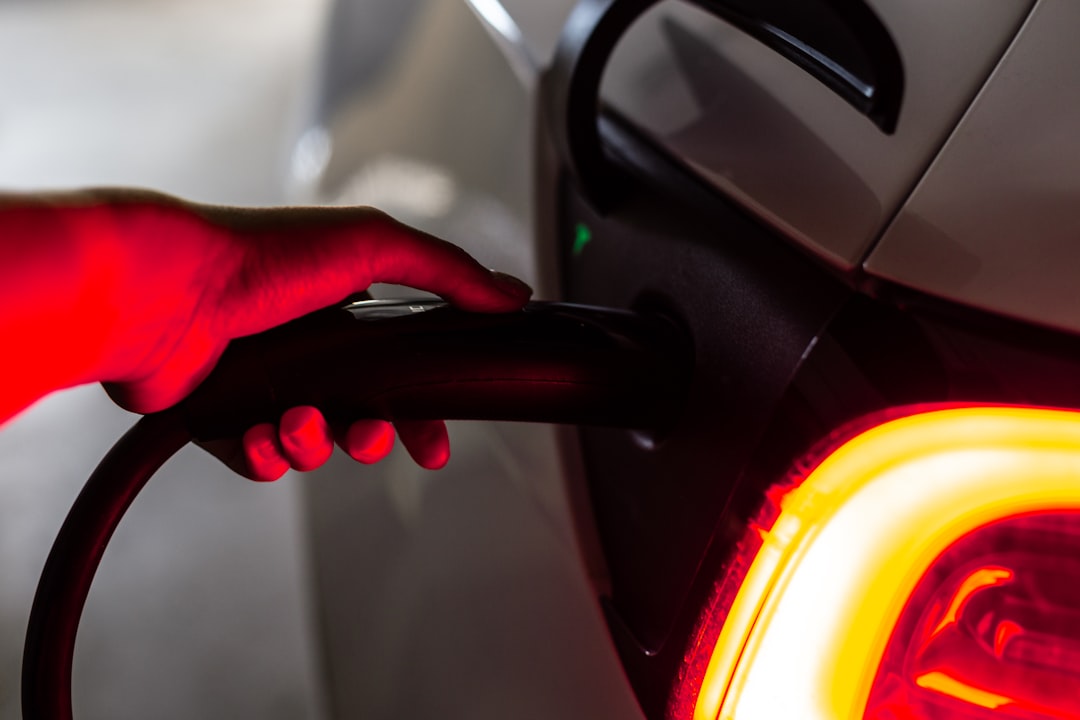
Vehicle-to-grid affects rules, costs, responsibility and everyday choices.
The Short Version
- Vehicle to grid ev should be judged by what works now, not only by launch claims.
- Current official sources show why the UK position needs careful wording.
- Readers should separate tested capability, legal permission and marketing promises.
This guide explains vehicle-to-grid for UK readers. It focuses on what the technology does and who it affects. It does not treat every forecast as a settled fact. That matters because technology can arrive in steps, not as one clean switch.
A useful primary source is Final report. It notes that Final report – GOV UK { "@context": "http://schema.org", "@type": "FAQPage". That gives the current UK position a clearer factual anchor.
What is actually changing
The useful starting point is not whether vehicle-to-grid sounds impressive. The useful question is what changes for a normal person. A device, service or law only matters when it alters a real task. That task might be travel, work, health, energy use or household planning.
This is where plain English helps. A reader should be able to test the claim against a real situation. If the claim only works in a narrow trial, the article should say so.
What the current evidence says
Current official material matters more than commentary when rules or safety claims are involved. Another relevant source notes that Apply for an electric vehicle chargepoint grant if you rent out, lease or manage a. That gives the article a factual anchor for the current UK position. It also shows where cautious language is needed.
This is where plain English helps. A reader should be able to test the claim against a real situation. If the claim only works in a narrow trial, the article should say so.
Claims, tests and verified facts are not the same
A company may say a product is close to launch. A minister may describe an expected timetable. A regulator may set a rule that still needs practical implementation. Those are different claims and the wording should keep them separate.
This is where plain English helps. A reader should be able to test the claim against a real situation. If the claim only works in a narrow trial, the article should say so.
What this means for UK readers
Most readers do not need the engineering detail first. They need to know whether the technology changes a decision they make. They also need to know who carries responsibility when something goes wrong. That is why this article focuses on practical effects before technical language.
This is where plain English helps. A reader should be able to test the claim against a real situation. If the claim only works in a narrow trial, the article should say so.
Questions to ask before you rely on it
Ask whether the technology is available, authorised and widely supported. Ask who pays for it and who maintains it. Ask what happens when the system fails or reaches its limit. A clear answer to those questions matters more than a polished demo.
This is where plain English helps. A reader should be able to test the claim against a real situation. If the claim only works in a narrow trial, the article should say so.
Real-world example: the promise versus the handover
Imagine a UK household deciding whether this technology changes a daily journey or task. The headline claim may sound simple at first. The practical reality depends on rules, support, cost and edge cases. That is why official evidence matters before any article gives practical advice.
The safest way to read a future-facing claim is to split it into three parts. First, check what has been demonstrated. Second, check what has been authorised or regulated. Third, check what is actually available to ordinary users.
Reader application: a five minute check
- Find the official source behind the claim, not only a headline.
- Check whether the wording says tested, approved, planned or available.
- Look for the named body responsible for safety, standards or complaints.
- Ask whether the example applies to your home, car, workplace or account.
- Write down one limit the technology still has before trusting the claim.
Plain-English close
The point of vehicle to grid ev is not that the technology sounds clever. The point is whether it changes a real decision for real people. Good technology coverage should make that decision clearer. It should not turn a forecast into a promise.
Related Reads
- The next generation of EV batteries: solid-state and sodium explained
- Self-driving cars in the UK: how close are we really?
- Continuous Glucose Monitors: Useful Or Overkill?
- RCS Messaging: Why Green Bubbles Are Changing
- Heat Pumps: Do They Make Sense For UK Homes?
A second useful habit is to check dates carefully. A policy announcement can be current, while the practical rollout may still be years away.
Another useful habit is to look for responsibility. If a system makes a choice, someone still needs to be accountable for the outcome.
Costs also matter. A technology can work in a trial and still be too expensive for broad use at first.
Standards matter as well. Products from different firms need shared rules before they become easy for ordinary users.
Finally, access matters. A tool that only works for wealthy early adopters is different from a tool that changes daily life for most people.
This is why careful wording is not pedantry. It protects the reader from confusing a possible future with a present option.
A second useful habit is to check dates carefully. A policy announcement can be current, while the practical rollout may still be years away.
Another useful habit is to look for responsibility. If a system makes a choice, someone still needs to be accountable for the outcome.
Costs also matter. A technology can work in a trial and still be too expensive for broad use at first.
Standards matter as well. Products from different firms need shared rules before they become easy for ordinary users.
Finally, access matters. A tool that only works for wealthy early adopters is different from a tool that changes daily life for most people.
This is why careful wording is not pedantry. It protects the reader from confusing a possible future with a present option.
A second useful habit is to check dates carefully. A policy announcement can be current, while the practical rollout may still be years away.
Another useful habit is to look for responsibility. If a system makes a choice, someone still needs to be accountable for the outcome.
Costs also matter. A technology can work in a trial and still be too expensive for broad use at first.
Standards matter as well. Products from different firms need shared rules before they become easy for ordinary users.
Finally, access matters. A tool that only works for wealthy early adopters is different from a tool that changes daily life for most people.
This is why careful wording is not pedantry. It protects the reader from confusing a possible future with a present option.
A second useful habit is to check dates carefully. A policy announcement can be current, while the practical rollout may still be years away.
Another useful habit is to look for responsibility. If a system makes a choice, someone still needs to be accountable for the outcome.