Heat Pumps: Do They Make Sense For UK Homes?
Heat pumps can suit UK homes, but insulation, tariffs, grants and installer quality decide whether the 2026 numbers make sense in practice.
Heat pumps sound simple until you price one up for a real British home. The technology can be efficient, quiet and sensible, but it is not a magic boiler swap. The useful question is not whether heat pumps work. It is whether your home, tariff and installer make the sums work.
The Short Version
A heat pump moves heat rather than making it by burning fuel, so it can deliver several units of heat for each unit of electricity it uses. In 2026, the running cost case is close for many gas heated homes because electricity remains much more expensive per unit than gas. The best candidates are well insulated homes with enough radiator capacity, space for the outdoor unit and a careful MCS certified design. The worst outcomes usually come from rushed installations or expecting a heat pump to behave exactly like a combi boiler.
How A Heat Pump Heats A Home
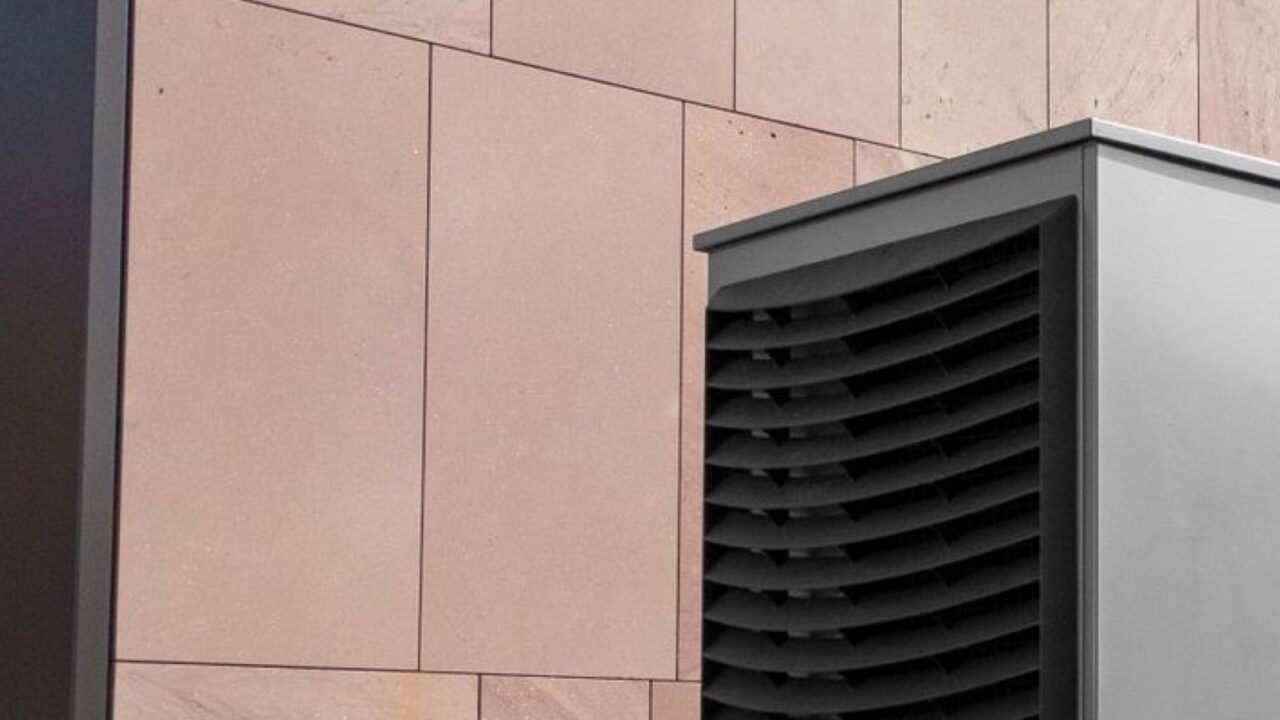
An air source heat pump takes low level warmth from the outside air and lifts it to a useful temperature for your heating and hot water. The outdoor unit looks a little like an air conditioning unit, but in winter it works in the opposite direction: collecting heat outside and moving it indoors.
The important difference from a gas boiler is the temperature. A gas boiler can send very hot water around the house quickly. A heat pump is usually happier sending cooler water around the system for longer. That is why radiator size, pipework, insulation and controls matter so much. A home can feel just as warm, but the heating pattern may be steadier. Instead of blasting heat for short periods, the system often runs for longer at a lower flow temperature.
This is also why the word “efficiency” can be confusing. A modern gas boiler may turn roughly 90 per cent of the gas it burns into usable heat. A heat pump can deliver two, three or sometimes more units of heat for each unit of electricity it consumes. That does not make it automatically cheaper, because the electricity price and the quality of the installation still matter.
The Money Question In 2026
As of June 2026, the headline grant still makes heat pumps more realistic for many households in England and Wales. GOV.UK says the Boiler Upgrade Scheme can provide £7,500 towards an air source heat pump or ground source heat pump, and £2,500 towards an air to air heat pump. The installer applies on your behalf, and the grant should be taken off the amount you pay rather than arriving later as a refund.
The upfront bill is hard. Energy Saving Trust puts the typical cost of installing an air source heat pump at around £11,000, before any grant. Some homes need radiator upgrades, a hot water cylinder or electrical work. If a quote looks unusually cheap, ask whether the system has been designed properly for the heat loss of each room.
Running costs are where the debate gets messy. Ofgem’s cap for 1 July to 30 September 2026 gives national average Direct Debit unit rates of 26.11p per kWh for electricity and 7.33p per kWh for gas, including VAT. Electricity is therefore much more expensive per unit. A heat pump has to earn its keep by using that electricity efficiently. In a good setup, it can. In a poor setup, it may disappoint.
When A Heat Pump Makes Sense
A heat pump starts to look sensible when the building is ready for low temperature heating. That does not always mean a deep retrofit or a perfect newbuild. It usually means the basics are under control: loft insulation, reasonable draught proofing, radiators that can heat the rooms at lower water temperatures and enough space for an outdoor unit with clear airflow.
Homes coming off oil, LPG or old electric heating can be stronger candidates than homes with a fairly efficient gas boiler. The carbon case is usually clearer, and the running cost case can be better. A heat pump can also make sense if you are already replacing radiators, improving insulation or redoing a utility room where a hot water cylinder can fit.
Tariffs matter too. A household on a standard single rate electricity tariff sees one version of the calculation. A household that can use a smart tariff, solar panels or more off peak electricity sees another. The heat pump decision should sit inside the whole home energy picture.
When It Probably Does Not
A heat pump is less attractive if the home loses heat quickly and the owner is not ready to improve it. If rooms need very hot radiators to stay comfortable, the heat pump may have to run at a higher flow temperature. That reduces efficiency and can push bills up. The same applies if there is no sensible cylinder location, or the outdoor unit would cause planning, noise or space problems.
It is also a poor fit for anyone expecting a like for like combi boiler experience. Many UK homes are used to instant hot water and fast radiator heat. A heat pump setup may involve stored hot water and a steadier heating rhythm.
What Good Installation Looks Like
For the Boiler Upgrade Scheme, GOV.UK points households towards MCS certified installers. That matters because grant eligibility, consumer protection and technical standards all sit around the installation, not just the brand of the heat pump. A good installer should ask how you use the home, check insulation, measure rooms, calculate heat loss and explain any radiator or cylinder changes before giving a final design.
You should expect more than one quote. Energy Saving Trust recommends getting quotes from certified installers, and three is a sensible target. Compare the scope of work, not just the price. Does it include radiator upgrades? Who handles the grant? What happens if the system underperforms in the first winter?
Ask for the boring details. What seasonal performance is the installer assuming? What flow temperature is the system designed around? Where will the outdoor unit sit? How will hot water be scheduled? These questions show whether someone has actually designed the system for your house.
A Worked Example
Take a typical three bedroom semi that needs about 10,000 kWh of useful heat over a year for space heating. With a modern gas boiler at roughly 90 per cent efficiency, the household might need around 11,100 kWh of gas. Using Ofgem’s July to September 2026 national average gas unit rate of 7.33p per kWh, that is about £814 before standing charges and regional differences.
Now put in a heat pump that averages a seasonal performance of 3.0, meaning three units of heat for each unit of electricity. Delivering the same heat would need about 3,333 kWh of electricity. At 26.11p per kWh, that is about £870 before standing charges and tariff differences. At a stronger seasonal performance of 3.5, the electricity use falls to about 2,857 kWh, or roughly £746.
This is why honest heat pump advice sounds cautious. The technology can compete, but the margin is not magic. A better designed system, a suitable tariff or removing the gas standing charge can improve the case. A poorly designed system can make it worse.
What This Means For You
If your gas boiler is still working and your house is draughty, start with the fabric of the home. Insulation, draught proofing and radiator sizing may do more for comfort than rushing into a new heating system. If your boiler is nearing replacement and you are already planning home improvements, a heat pump deserves a serious quote.
Do not ask “will a heat pump save me money?” as a single yes or no question. Ask for expected electricity use, assumed seasonal performance, radiator changes, cylinder requirements and grant treatment. Then compare it with keeping or replacing your current boiler.
The right answer may be yes, later, or not for this house. That is still useful.
In Plain English
A heat pump can be a very good way to heat a UK home, but only when the home and installation suit it.
The grant helps with the upfront cost. It does not guarantee lower bills. The running cost depends on how efficiently the system works and what you pay for electricity.
Get the house assessed properly before you get persuaded by the headline.
Primary sources worth checking: GOV.UK on the Boiler Upgrade Scheme, Energy Saving Trust on air source heat pumps and Ofgem on the price cap. Those sources help separate grant headlines from running-cost reality.
Related Reads
- Data centres: the hidden energy cost of digital life, for another look at how digital and energy systems now overlap.
- Smart meters and your data: what UK households should understand, if you want clearer context on home energy data.
- Social tariffs: the broadband discount many UK households miss, for a practical guide to household cost support.
- Open banking: why your banking app can talk to other services, for another plain English explainer on modern consumer infrastructure.