Should I invest in crypto?
Crypto can play a role in a well-structured portfolio, but only if you understand what you are holding, can tolerate real volatility, and keep your allocation modest.
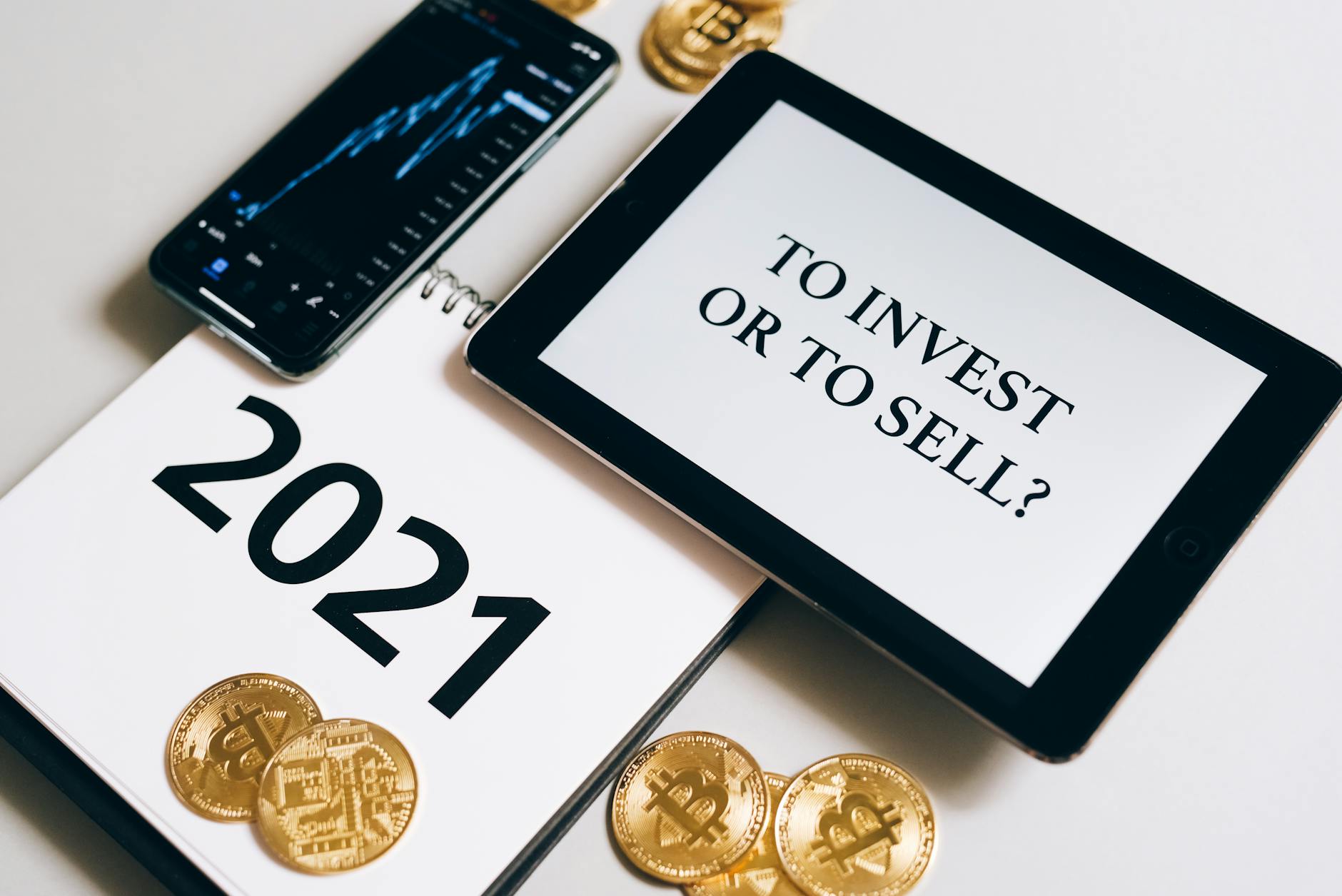
Investing in crypto is a question more people are taking seriously. The honest answer depends on your circumstances, your risk tolerance, and what you actually want from an investment. Here is a clear-headed guide.
The question is a reasonable one. Cryptocurrency has been one of the most talked-about financial topics of the past decade. It is hard to go a week without reading something about Bitcoin or Ethereum.
Some newer asset surging overnight is almost always in the news. If you have been wondering whether any of it belongs in your financial life, that curiosity is worth taking seriously.
This is not a question with a single answer. Investing in crypto is right for some people and genuinely wrong for others. It depends on your circumstances, your temperament, and what you want from any investment you make. This guide helps you work out which side of that line you are on.
What you are actually dealing with
Cryptocurrency is an early-stage, speculative asset class. That is not a dismissal. Early-stage assets can go on to become genuinely important, and some already have. But they carry risks that more established investments do not.
Unlike a share, a crypto asset has no earnings, no dividends, and no underlying business generating revenue. Its price is driven almost entirely by what other people are willing to pay for it. That changes from moment to moment.
That makes it volatile in ways most investors have not experienced before. Anyone new to this should first read about how cryptocurrency works as an asset class. Put no money in until you understand what you are buying.
How volatile is it really
The volatility is not theoretical. Bitcoin is the largest and most established cryptocurrency. It fell roughly 75 per cent from its late 2021 high to its 2022 low.
Smaller cryptocurrencies fell far more. Many never recovered. This happened within twelve months.
For context, the global financial crisis of 2008 saw the UK stock market fall around 45 per cent over a similar period. Crypto can move faster and further than almost any mainstream investment class, in both directions. Investing in crypto means accepting this as a normal feature of the asset, not an exception.
Who should consider it
Risk tolerance is personal. Someone in their twenties, with stable income, no debt, and a long investment horizon, is in a different position. They might reasonably decide that a small allocation makes sense.
Someone approaching retirement and relying on investment income should think very carefully before committing anything meaningful. The risk profile of investing in crypto changes significantly depending on where you are in life.
The phrase “only invest what you can afford to lose” is repeated so often it has almost stopped meaning anything. It is worth taking it literally.
Ask yourself: if this investment fell to zero by next year, what would that mean for your life? If the honest answer is “not much”, the risk is probably manageable. If it involves your ability to pay rent or fund a pension, you have already answered your own question.
How much to allocate
Portfolio sizing matters more than most people realise. A small allocation, say two to five per cent of an overall investment portfolio, limits your downside while giving you exposure to any upside. Many financial professionals who take crypto seriously suggest keeping it at the edges of a broader portfolio rather than treating it as a centrepiece.
There is a reason for that. Diversification is one of the few things in investing that genuinely reduces risk without automatically reducing return. Concentrating heavily in any single asset class increases the range of possible outcomes.
It does not improve the average one. The same logic applies whether you are investing in crypto, individual shares, or property.
The arguments for and against
The case for including crypto in a portfolio rests on a few arguments. One is potential for uncorrelated returns. Cryptocurrency sometimes moves independently of stock and bond markets. In theory this can reduce overall portfolio risk even as it adds a volatile asset.
The evidence is mixed. During some downturns crypto has fallen alongside equities, suggesting the correlation is not always as low as claimed.
A second argument is long-term growth potential. If digital assets continue to grow as a share of global finance, early holders could benefit significantly. That is a legitimate view. It is also speculative.
Past performance across short time windows tells you very little about whether this holds.
A third argument holds that assets like Bitcoin act as a store of value, a hedge against inflation. Whether that holds up depends on assumptions reasonable people disagree about. Reading how Bitcoin is valued helps put these claims in context.
The case against is also real. Regulatory risk is significant. Governments in multiple countries have tightened rules around exchanges, taxation, and certain types of assets. Fraud and scams remain a serious problem.
Projects that look promising can fail. Tax treatment in the UK is complex in practice. HMRC treats most crypto gains as capital gains, which means careful record-keeping from the moment you buy. A useful overview of HMRC’s guidance on cryptoassets for individuals is worth reading before you start.
How to approach it practically
Timing is a topic many people focus on. It is largely a distraction. No one reliably knows when the best moment to buy or sell is. Research consistently shows that time in the market outperforms timing the market.
It is also worth knowing that crypto markets never close. Prices move at 3am on a Sunday. That can create a temptation to monitor constantly. For most long-term investors, resisting that temptation is part of the discipline.
Checking prices every hour does not change your outcome. It just adds stress. You can read more about the risks specific to crypto that do not apply to other asset classes. This includes the fraud that targets new investors specifically.
If you decide investing in crypto is right for you, doing so gradually over time is sensible. This approach is known as pound-cost averaging. It smooths out the effect of short-term price swings.
It does not require you to predict anything correctly. You buy a fixed amount at regular intervals regardless of price.
What this means for you
Crypto is a legitimate asset class that carries meaningful risk. It can play a role for investors who understand what they are holding, can tolerate significant volatility, and keep their allocation modest. It is not a guaranteed path to wealth.
The people who do worst when investing in crypto are usually those who put in more than they intended. They held for longer than they planned. Then they sold at the worst possible moment out of panic. These are not unusual human responses to large losses.
They are predictable. Building a clear plan before you start is what separates considered crypto investment from expensive speculation. Sticking to it is the harder part.
Approaching investing in crypto with the same discipline you would apply to any financial decision is the only sensible way in. Know why you are doing it. Know what you realistically expect from it.
Know what you can genuinely afford to lose. Those three questions cover most of what you need to decide before you start. Crypto investment is not different from any other investment decision in that regard.
Disclaimer: Cryptocurrency investments are highly volatile and speculative. Their value can rise and fall sharply, and you could lose all of your investment. This article is for informational and educational purposes only and does not constitute financial advice. Always do your own research before making any investment decision.