Inside the Mind of a Mining Prospector
What happens in the months and years before a junior miner announces a discovery, and how to tell a real geological story from a promotional one.
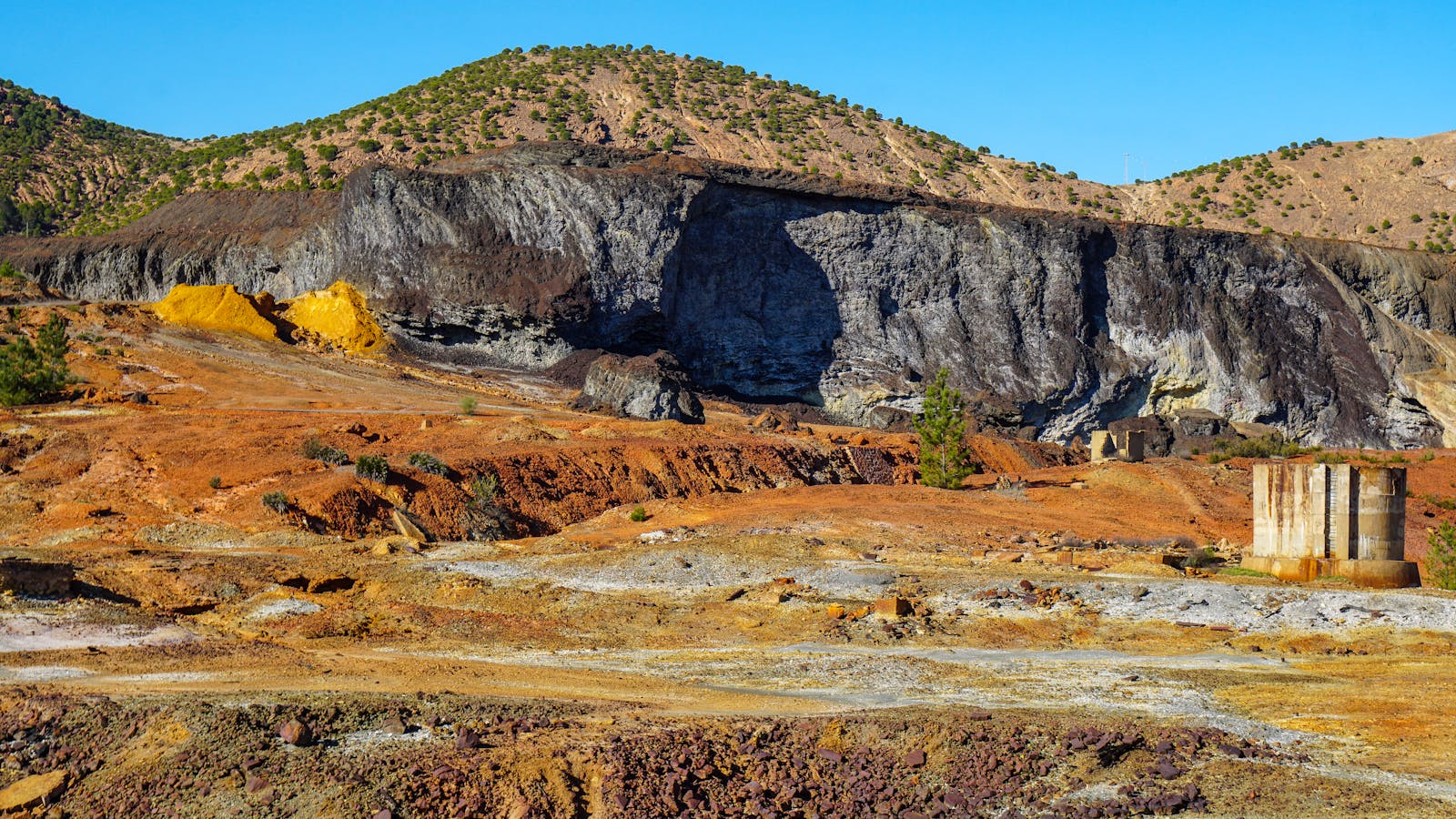
Mining prospector work can look romantic from the outside, but the real job is patient evidence gathering. This guide explains what happens before a junior miner reports a discovery, and why that matters for small-cap investors.
The Short Version
- A mining prospector is trying to turn clues in rocks, soil and data into a drill target.
- A target is not a mine, a reserve, or even a confirmed resource.
- Strong exploration stories depend on method, reporting quality and cash discipline.
- Promotional small-cap stories often fail when drill results do not support the pitch.
What a mining prospector is really doing
A mining prospector is not simply wandering over hills looking for shiny rock. Modern exploration is a technical process that starts with maps, old records, satellite data and field samples.
The goal is to find signs that mineralisation may exist below the surface. Mineralisation means useful minerals are present in rock, but it does not prove they can be mined for profit.
That distinction is the first thing investors need to understand. A junior miner can have interesting geology and still be years away from a commercial project.
The best exploration teams work like detectives. They collect evidence, test each clue, and drop weak ideas before they spend too much money drilling them.
Why the first target is not a discovery
A mining prospector often begins by defining a target. A target is a place that looks worth testing, usually because several clues point in the same direction.
Those clues might include unusual soil chemistry, magnetic readings, old workings, rock samples, or structures that could host gold, copper or lithium. Each clue matters more when it supports the others.
This is where early-stage mining announcements can mislead readers. A target may sound exciting, but it is still a question waiting for an answer.
Drilling is usually the first hard test. Until drill assays come back, the market is mostly judging the quality of the argument and the credibility of the team.
How data turns into drill targets
A mining prospector uses several layers of data before drilling. Satellite imagery can show alteration patterns, which are changes in rock linked to past mineral fluids.
Geophysical surveys then measure things like magnetism, gravity or electrical response. These surveys do not find gold by themselves, but they can show hidden structures.
Geochemical sampling is another layer. Small traces of metal in soil or rock can point towards a larger system nearby, especially when the pattern is consistent.
Good exploration teams combine these clues into a ranked target list. They drill the strongest targets first because every hole costs money and every delay uses cash.
A weak target is not always a bad idea. It may simply need more field work before the company spends serious cash.
That is why timing matters. A patient team can wait for better data, while a weak team may drill too soon to keep the market interested.
This is why cash burn matters so much in junior mining. Our guide to why small-cap companies raise money explains the funding side in more detail.
Where investors can get misled
The hard part is separating method from marketing. A mining prospector story can sound convincing even when the evidence is still thin.
Watch the language in company updates. Strong reporting explains the method, the limits of the data, and the next test. Weak reporting leans on excitement and vague phrases.
Also check whether results are reported to recognised standards. The JORC Code sets standards for public reporting of exploration results, mineral resources and ore reserves in Australasia.
For UK investors, the practical lesson is the same even when the company is listed elsewhere. Ask what has been measured, who checked it, and what the next test will prove.
A good update should be plain enough for a non-geologist to follow. If the report hides simple facts behind big words, treat that as a warning sign.
The same applies to maps and charts. They should help you see the case, not make the case look more certain than it is.
Our post on junior mining risks explains why a good story can still become a poor investment outcome.
Cash is the clock in this kind of share. If the firm has little cash left, the next big event may be a placing, not a drill win.
That does not make the firm bad. It means the risk is not only in the rocks. It is also in the bank account.
A simple check helps. Read the latest cash figure, the planned spend, and the date of the next field work. If those three facts do not line up, pause.
Why the Hemi example still matters
De Grey Mining’s Hemi discovery is a useful example because it shows what success can look like. The company found a major gold system in Western Australia’s Pilbara region after years of work.
The story has moved on since the original discovery. Northern Star says it acquired the Hemi Development Project from De Grey through a court-approved scheme on 5 May 2025.
That later deal does not mean every early explorer will end the same way. It shows why serious discoveries attract bigger companies once the evidence becomes strong enough.
A mining prospector can create value by finding something real before the wider market understands it. The risk is that most targets never reach that point.
This is why investors should read discovery stories with both curiosity and caution. The upside can be large, but the failure rate is part of the business model.
A Worked Example
Imagine a small-cap explorer says it has found a gold anomaly on a licence. The share price rises because the market starts to price in the chance of a discovery.
The first question is what kind of evidence supports the anomaly. Soil samples alone are weaker than soil samples, mapping and geophysics that all point to the same structure.
The second question is how the drilling will be funded. If the company has little cash, a placing may arrive before shareholders see a clear result.
The third question is what the first drill holes are meant to prove. A useful announcement should explain depth, location, expected rock type and timing.
The answer may still be uncertain. That is normal at this stage, but uncertainty should be named rather than dressed up.
If the company is honest about what it does not know yet, the update is usually easier to trust.
If the holes miss, the mining prospector has not necessarily failed. But investors should then ask whether the next target is better, or just the next fundraising story.
What This Means For You
A mining prospector story should slow you down, not hurry you into a trade. The exciting part is the drill result, but the useful evidence appears earlier.
Look for method, money and reporting discipline. A company that explains its process clearly gives investors more to judge than a company that sells a dream.
You do not need to know every rock term. You do need to know what has changed since the last update.
Has the team found a better target? Has it raised cash? Has it proved anything new, or just repeated the same hope in fresh words?
Small-cap mining is also a funding story. The post on what a small-cap company is explains why size changes risk, liquidity and access to capital.
The best habit is to separate geological progress from market excitement. They can move together, but they are not the same thing.
In Plain English
A mining prospector looks for clues that a valuable deposit may exist underground. The work is slow, technical and uncertain.
For investors, the question is not whether the story sounds exciting. It is whether the evidence has moved from a target to a tested discovery.
If you remember one thing, make it this. A mining prospector can find a company-changing deposit, but most exploration stories never become mines.
This article is for general financial education only. It is not financial advice or personal investment advice. Investments can fall as well as rise, and you may get back less than you invest.
This post is adapted from The Little Book of Small-Caps. Used with permission.