The Risks of Junior Mining the Promos Never Mention
Junior mining stocks promise big returns from buried treasure. The reality involves geological uncertainty, endless dilution and risks most investors only discover too late.
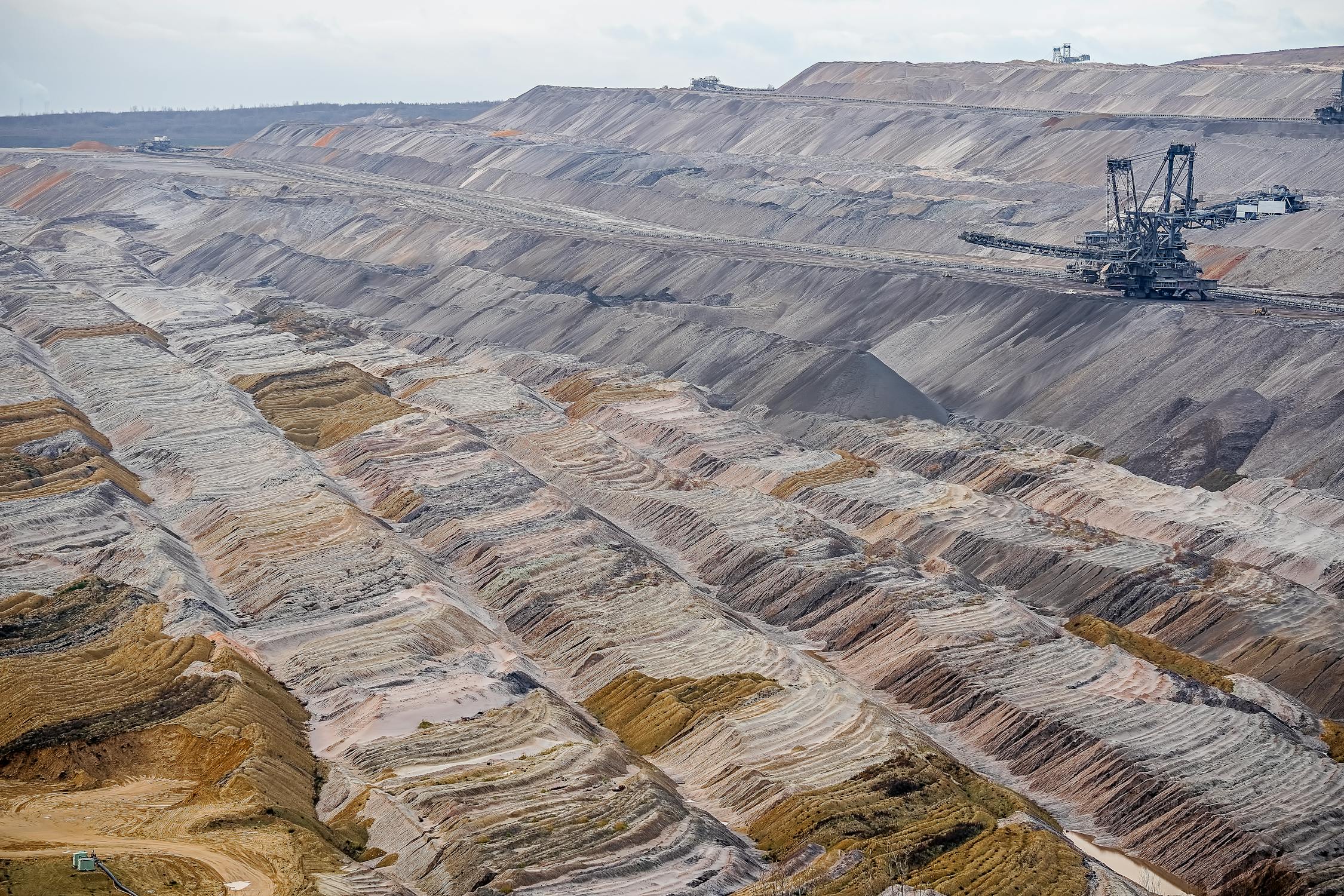
Junior mining risks often sit behind the exciting part of the story: the drill result, the metal price and the dream of an early discovery. This guide explains what those risks are before the promotion gets in the way.
The Short Version
- Junior mining risks are different because many companies have no revenue and no proven mine.
- A strong drill headline is only one clue. It is not proof that a mine will exist.
- Dilution matters because exploration is usually funded by issuing new shares.
- Resources, reserves, permits and funding tell you more than promotional language.
- This is financial education, not a recommendation to buy or sell any share.
Why junior mining risks are different
Junior mining risks start with one simple fact. Many junior miners are not mining anything yet.
They may own exploration licences, drill targets or early geological data. That can be valuable, but it is not the same as cash flow.
A producer sells metal and can fund some work from operations. A junior often needs fresh capital before the next drill programme can happen.
That is why promotion is so common in the sector. A company needs attention because attention can help raise money.
The danger is that investors start reading promotion as evidence. A slick presentation can make junior mining risks feel smaller than they are.
The first check is not whether the story sounds exciting. It is whether the company has moved from hope to evidence.
How geology can mislead investors
A drill result can move a share price fast. It can also mean far less than the headline suggests.
Grade, width, depth and continuity all matter. A narrow high-grade hit may be interesting, but it may not support a mine.
Continuity means the mineralisation keeps appearing across enough ground to build a reliable model. Without it, one good hole can stay isolated.
This is where junior mining risks become technical. The question is not just what the company found, but whether it can find enough of it.
Cristoniq’s guide to reading mining exploration results explains how to look past the headline number.
You do not need to become a geologist. You do need to know when a result is early, partial or too thin to carry the whole story.
Why funding and dilution matter
Exploration costs money long before a project earns money. Drilling, surveys, consultants, permits and management salaries all need funding.
Most juniors fund that work by selling new shares. That keeps the company alive, but it reduces each existing shareholder’s slice.
Dilution is not automatically bad. A sensible placing can fund work that raises the quality of the project.
The problem comes when dilution funds delays, vague work programmes or repeated resets. Then junior mining risks show up in the share count.
Check the cash balance, monthly spending and likely next milestone. If the company needs money soon, ask what price that money may come at.
Position size matters here. The guide to position sizing in small-caps explains why one risky idea should not dominate a portfolio.
What resource statements can and cannot tell you
A resource is an estimate of what may be in the ground. A reserve is a stronger claim about what can be mined economically.
That difference matters. A large resource can still fail if grade, metallurgy, permits, infrastructure or capital costs make extraction unattractive.
The JORC Code exists to set reporting standards for exploration results, mineral resources and ore reserves.
In Canada, NI 43-101 sets disclosure standards for mineral projects. These frameworks help, but they do not remove the risk.
They make the evidence more structured. They do not guarantee that a deposit will become a mine.
For a deeper explanation, read Cristoniq’s guide to how junior miners turn geology into a resource estimate.
Also look at the confidence level attached to the estimate. Inferred resources are early and uncertain. Indicated and measured resources carry more evidence.
The labels matter because they tell you how much work still sits between a market story and a credible development plan.
Why location can change the whole calculation
Mining is tied to place. A deposit cannot be moved to a friendlier country or closer road.
That makes jurisdiction risk one of the biggest hazards. Permits, tax rules, local opposition and political stability can decide the outcome.
Infrastructure matters too. A remote deposit may need roads, power, water and processing facilities before anything can be sold.
Those costs can turn a promising resource into a weak project. This is why the cheapest-looking share is not always the cheapest opportunity.
Ask where the project is, who controls the licence and what approvals still stand between the company and development.
Then ask who would build it. Some juniors are discovery vehicles. Their realistic path may be a sale, joint venture or farm-out.
That is not a flaw by itself. It just means the end buyer, partner or funder becomes part of the investment case.
A Worked Example
Imagine a lithium junior announces a strong drill result. The share price rises because investors connect lithium with electric vehicles.
The first question is not whether lithium demand may grow. It is whether this company has enough evidence to matter.
You check the announcement. The grade is useful, but the hole is deep and far from earlier drilling.
The company has six months of cash. It needs more drilling before it can publish a proper resource estimate.
Those facts do not make the company worthless. They show why junior mining risks should be priced before the story takes over.
A calm investor would list the next test. More drilling must show continuity, and the next raise must fund useful work, not just time.
If the next update does not answer those points, the story has not improved much. The share price may still move, but the evidence has not caught up.
What This Means For You
Junior mining risks do not mean every junior miner is a bad company. They mean the burden of proof is high.
Before you react to a promotional story, separate evidence from possibility. Evidence includes drilling density, resource quality, cash, permits and management history.
Possibility is the larger story. It is the future mine, the takeover rumour or the commodity boom that may never arrive.
A useful checklist beats excitement. Cristoniq’s small-cap sector checklist gives you questions to ask before money is at risk.
The aim is not to remove risk. It is to know which junior mining risks you are accepting, and which ones are being hidden from you.
In Plain English
A junior miner is often a promise with a drill rig attached. Sometimes the promise becomes real.
Most of the time, the company still needs better geology, more money, stronger permits and a kinder commodity market.
That is why junior mining risks deserve more attention than the promotional upside. The dream is easy to sell. The risk is harder to read.
This article is for informational purposes only and does not constitute financial advice. Investment values can go down as well as up. Always do your own research before making any financial decisions.
This post is adapted from The Little Book of Small-Caps. Used with permission.