What is XRP and why does it matter?
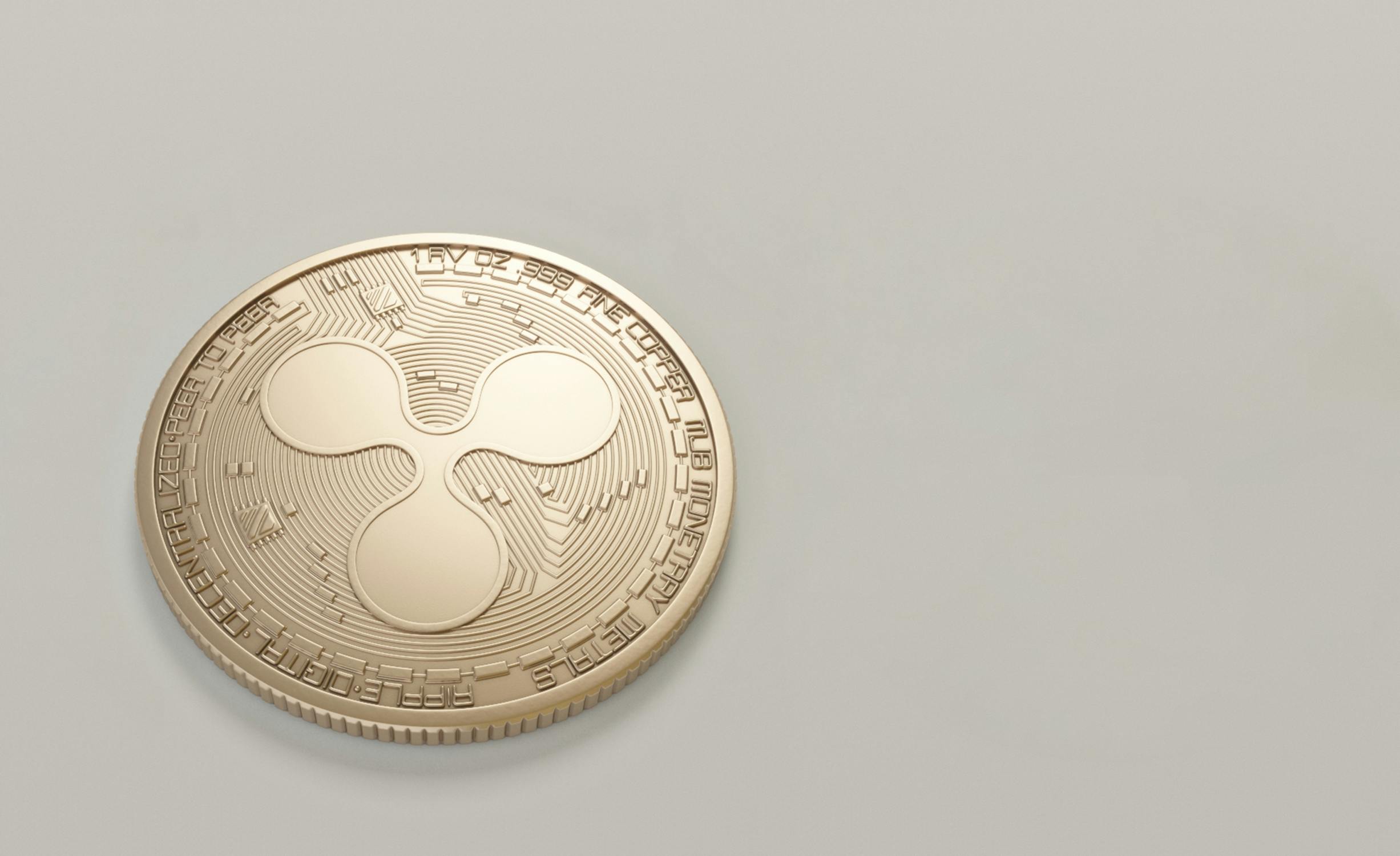
Most people who have heard of crypto know Bitcoin. A fair number know Ethereum. But XRP sits in a strange third position: widely traded, frequently in the news, and poorly understood by most retail investors.
The confusion is not accidental. The asset has a genuinely complicated story. It is a digital asset with a purpose built into its design and a legal history unlike almost anything else in crypto.
It is a digital asset created by Ripple Labs, a US-based payments company founded in 2012. Unlike Bitcoin, which was designed as a decentralised alternative to money, XRP was built with a specific commercial purpose. It is meant to make cross-border payments faster and cheaper. That design choice shapes everything else about it.
The problem it was built to solve
The global financial system is surprisingly slow at moving money across borders. A UK business paying a supplier in Japan routes funds through a chain of correspondent banks. Each one takes a cut. Each one adds a delay.
A transfer that should take seconds can take days. Fees can run to several percentage points of the total value. SWIFT, the messaging system behind most international banking, was built in the 1970s. It still carries many of its original limitations.
Ripple’s pitch to banks and payment firms was direct. Use XRP as a bridge currency. Convert local currency into the token. Send it to the destination in seconds.
Convert it back on arrival. The transaction settles in three to five seconds. The cost is a fraction of a penny. For small, frequent international payments, that represents a meaningful improvement over the existing system.
How the XRP Ledger actually works
XRP runs on the XRP Ledger, an open-source public blockchain maintained by independent validators rather than miners. The ledger processes roughly 1,500 transactions per second. For comparison, Bitcoin handles around seven.
The ledger has been running continuously since 2012. That track record is one of its genuine strengths. Many competing networks have suffered outages or been discontinued altogether.
Ripple built its technology on top of the ledger. But it itself is not controlled by Ripple. Any developer can build on it.
This distinction matters when assessing the token’s long-term value. Even if Ripple the company were to fail, the ledger would continue to operate. The underlying technology and the company are separate things.
Ripple Labs created 100 billion tokens at launch. It still holds a large portion of the total supply. Tokens are released on a structured schedule. This is fundamentally different from how Bitcoin works, where new supply is generated through mining and is predictably limited.
Why XRP is not a fully decentralised bet
Ripple the company and the asset are legally distinct. But they are deeply connected. The market value of the token is tied, in a meaningful way, to Ripple’s commercial success and regulatory standing. You are not simply betting on a decentralised protocol.
You are, to a real degree, betting on a private company. That changes the risk profile compared to Bitcoin or Ethereum. Those assets have no single corporate sponsor.
Ripple does. Investors should factor that corporate dependency into their analysis before buying the token.
The SEC lawsuit and what it meant
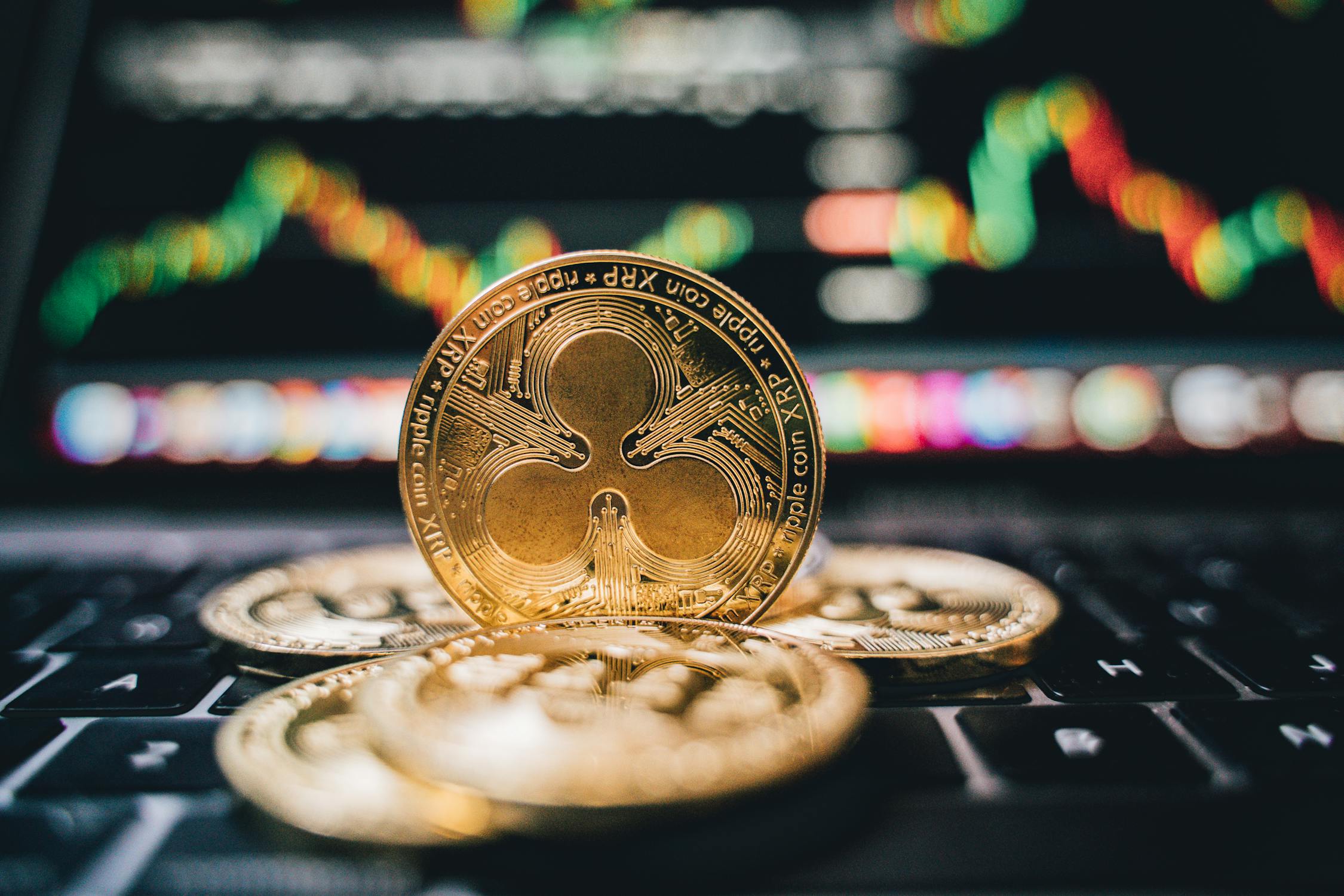
In December 2020, the US Securities and Exchange Commission sued Ripple Labs. The SEC alleged that XRP was an unregistered security. It claimed Ripple had sold investment contracts without proper authorisation.
The price fell sharply on the announcement. Several major US exchanges delisted the token within weeks. The case cast a long shadow over the asset’s standing in the US market.
The case raised a question with wide implications. If the token counted as a security, many other crypto assets might too. Courts would need to decide where the line sat. That uncertainty affected the whole sector for years.
In July 2023, a US federal court split the ruling down the middle. Judge Analisa Torres found the asset was not a security when sold on public exchanges to retail investors. But it was a security when Ripple sold directly to institutions.
Neither side claimed a clean win. Both appealed.
By early 2025, the SEC had dropped its appeal. That marked a significant de-escalation. For UK investors, the direct regulatory impact was always limited.
XRP is not subject to SEC jurisdiction here. The FCA regulates crypto in Britain, and Ripple is registered with the FCA. The token remains available on UK-regulated exchanges.
Where adoption actually stands
The honest answer is that uptake by major banks has been slower than Ripple once projected. The vision of banks replacing correspondent banking with the token as a bridge currency has not happened at scale. Most large banks ran pilots and stepped back. The results were not bad enough to condemn the technology, nor good enough to commit to it.
Some institutions in Southeast Asia and the Middle East have deployed Ripple’s payment infrastructure. But many do so without using the token itself. They use RippleNet, which can operate independently of the asset.
Ripple can succeed commercially even if demand for the token does not grow in step. Investors in the token are specifically betting on its network utility, not just on Ripple’s business.
What the asset does have is genuine retail interest and a large, active community. It has ranked in the top ten crypto assets by market value for most of its existence. That longevity is worth noting. Many crypto projects do not survive a decade.
Understanding how other major assets compare is useful context. Many projects make similar claims about speed and cost. The differences in governance and structure matter as much as the technical specifications. Crypto ETFs offer a different route into digital assets entirely.
What drives the price and what you are actually buying
Like most crypto assets, the price is driven by sentiment, Bitcoin correlation, and news flow. When Bitcoin rises, the token tends to follow. When Ripple wins a legal battle, the token typically spikes.
When regulatory news is bad anywhere in crypto, it often falls. The fundamentals matter less than market mood in the short term. This is a pattern shared by almost all liquid crypto assets.
The long-term thesis relies on Ripple successfully commercialising its payment network at scale. It also relies on demand for the token growing as that network expands. That thesis has been in play for over a decade. How much weight you give it depends on your view of Ripple’s ability to deliver in a regulatory environment that has been anything but straightforward.
XRP is not a scam. It is not a guaranteed return either. It is a digital asset with genuine commercial underpinning and a serious legal history. The company behind it survived one of the most high-profile regulatory battles in crypto.
Crypto ETFs now offer a regulated alternative for investors who want exposure to digital assets through a fund structure. Understanding how other major assets like Solana work can also help put this proposition in context. The landscape is varied.
If you are considering buying XRP, be clear about what you are actually purchasing. That is exposure to Ripple’s fortunes as much as to any protocol. Read the FCA’s guidance on crypto risks. As with any speculative asset, only put in what you can afford to lose.
Cryptocurrency is a highly speculative asset class. Its value can go down as well as up, and you could lose your entire investment. Nothing in this article constitutes financial advice.
Before investing, seek independent financial advice and read the FCA’s guidance on cryptoassets at fca.org.uk.