Hydrogen technology in the UK: where it earns its keep, and where electricity does the job better
A clear-eyed look at where hydrogen technology in the UK genuinely helps, and where electrification still does the job more efficiently.

Hydrogen is having a noisy few years in British energy debates. Some people treat it as a universal answer for decarbonisation. Others dismiss it as a distraction from electrification. The more useful answer is narrower: hydrogen helps in some hard industrial jobs, and it makes much less sense in many everyday ones.
The Short Version
Key Takeaways
- Hydrogen is most useful where direct electrification struggles, especially some industrial heat, chemical feedstocks and a few heavy transport cases.
- Green, blue and grey hydrogen have different climate and cost profiles, so the colour label matters.
- For home heating and most passenger cars, electricity usually does the job more efficiently and with less infrastructure burden.
- The key question is not whether hydrogen sounds futuristic. It is whether the use case genuinely needs it.
Green, Blue And Grey Mean Different Things
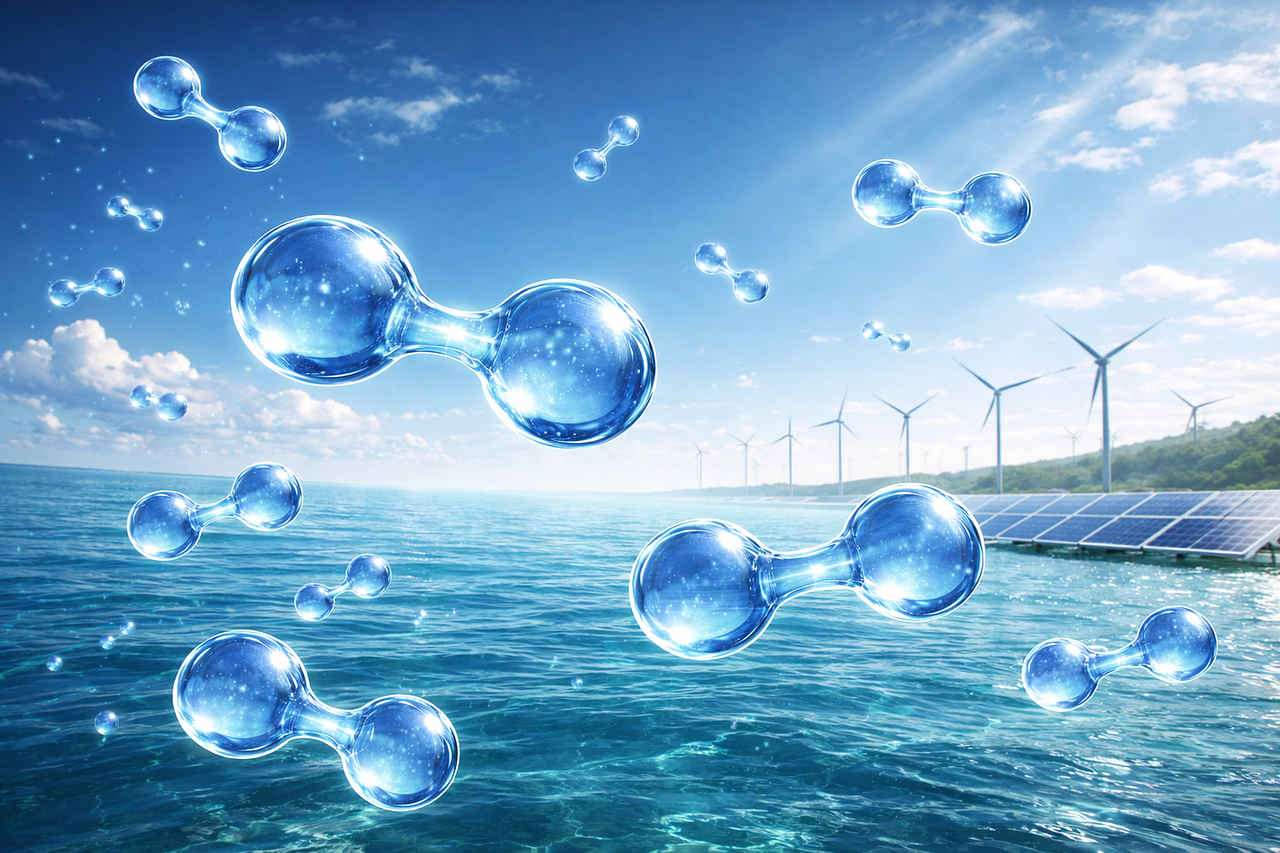
It helps to start with the labels. Grey hydrogen is produced from natural gas, with the carbon dioxide released into the atmosphere as a byproduct. It is still the dominant form globally and often the cheapest, but its climate credentials are weak. Blue hydrogen is also made from natural gas, but the carbon dioxide is captured and stored. Green hydrogen is made by splitting water using electricity from low-carbon sources, usually renewable power.
The UK hydrogen strategy treats hydrogen as a targeted decarbonisation tool rather than a blanket replacement for electricity. That matters because cost, infrastructure and emissions are different across the colours. Green hydrogen is only genuinely low carbon when the electricity feeding it is genuinely low carbon too. Blue hydrogen depends on capture rates, methane leakage and whether the storage chain is trusted.
The colour label therefore is not marketing decoration. It changes the economics, the climate case and the realism of the project being described.
Where Hydrogen Technology In The UK Earns Its Keep
The strongest case for hydrogen in the UK is industrial. Some sectors need very high temperatures or use hydrogen directly as a feedstock. Parts of steel, glass, chemicals and refining fall into that category. In those settings, direct electrification can be harder or more expensive, which is why hydrogen keeps its place in serious decarbonisation planning.
The Climate Change Committee has consistently treated hydrogen as valuable where alternatives are weak, not where better options already exist. That is why projects around industrial clusters matter more than headline-grabbing claims about every household boiler running on hydrogen.
Heavy transport is the second plausible lane. Some long-haul lorries, specialist fleets and narrow use cases in rail or maritime care more about refuelling time, payload and range than a battery-only setup can comfortably provide. That does not make hydrogen the automatic winner. It means there are narrower cases where the trade-off is worth studying seriously.
The practical point is that hydrogen earns its keep where the molecule itself solves a hard problem. It is less convincing where electricity already solves the same problem more simply.
The Niche Uses Worth Watching
There are also smaller applications where hydrogen can be reasonable without becoming the centre of the whole energy system. Backup power for sites needing long-duration resilience, some off-grid industrial operations and selected maritime or aviation experiments fall into this category.
These are not the uses that will transform every energy bill in Britain. They are narrower roles where hydrogen can be one option among several. That is still useful. A technology does not have to serve everyone to deserve a place in the mix.
The problem starts when niche cases are used to imply that every adjacent use case is equally strong. That is where the public conversation often gets sloppy.
Why Home Heating Usually Favors Electricity
Domestic heating is where the case for hydrogen has weakened most clearly. Converting large numbers of homes to hydrogen would require major infrastructure change, ongoing fuel supply and a lot of disruption for a result that often remains less efficient than using electricity directly.
That does not mean hydrogen heating has been ruled out for every unusual property. It means the mainstream pathway for most homes increasingly points toward insulation, system upgrades and electric heat rather than a national hydrogen boiler switch.
For readers trying to interpret the debate, the efficient question is simple: are we solving a hard-to-electrify problem, or are we trying to force hydrogen into a job electricity already does better?
Why Passenger Cars Usually Favor Batteries
Passenger cars tell a similar story. Battery electric vehicles have improved on cost, range and charging convenience, while the hydrogen refuelling network remains thin and expensive. Building a parallel supply chain for most family cars is hard to justify when batteries already handle most daily driving well enough.
That is why hydrogen for passenger cars has moved from a mainstream promise to a much more marginal idea. If the use case is a normal private car, batteries usually win on simplicity. For a wider transport comparison, our guide to the next generation of EV batteries shows how quickly the competing technology is still improving.
Inference from these technology and infrastructure trends: the burden of proof now sits with hydrogen advocates in passenger cars, not with battery advocates.
How To Read Past The Noise
Hydrogen arguments become clearer when you use a short checklist. Ask what colour of hydrogen is being discussed. Ask whether the use case is industrial heat, feedstock, heavy transport or a genuine niche. Ask whether the claim has been stress-tested by engineers, the Climate Change Committee or real deployment constraints rather than just a hopeful press release.
If the answer points to heavy industry or a tightly defined transport problem, hydrogen may well have a role. If the answer points to most homes or most passenger cars, the stronger default in the UK today is usually electricity used well.
This is the same discipline we use on other emerging technologies: sort the genuine fit from the branding story. Our recent piece on small modular reactors makes a similar point about energy narratives that sound bigger than the current evidence base.
What This Means For You
If you read hydrogen headlines, do not ask first whether the technology sounds exciting. Ask whether the proposed job is one that genuinely needs hydrogen. The answer is often strongest in industry and weakest in the places where electrification is already working.
That distinction matters because public money, infrastructure planning and household decisions all depend on it. A technology can be useful in some places and still be the wrong answer in others.
For the UK, the honest summary is not “hydrogen everywhere” or “hydrogen nowhere”. It is “hydrogen where the alternatives struggle, electricity where the alternatives already win”.
In Plain English
Hydrogen technology in the UK is most credible when it tackles hard industrial and specialist transport jobs.
For home heating and most passenger cars, electricity usually looks simpler and more efficient.
The real skill is knowing which problem hydrogen is actually being asked to solve.