When Leverage Unwinds: What the Archegos Collapse Taught the Market
The Archegos collapse showed how hidden leverage, margin pressure and forced selling can spread through markets faster than many investors expect.
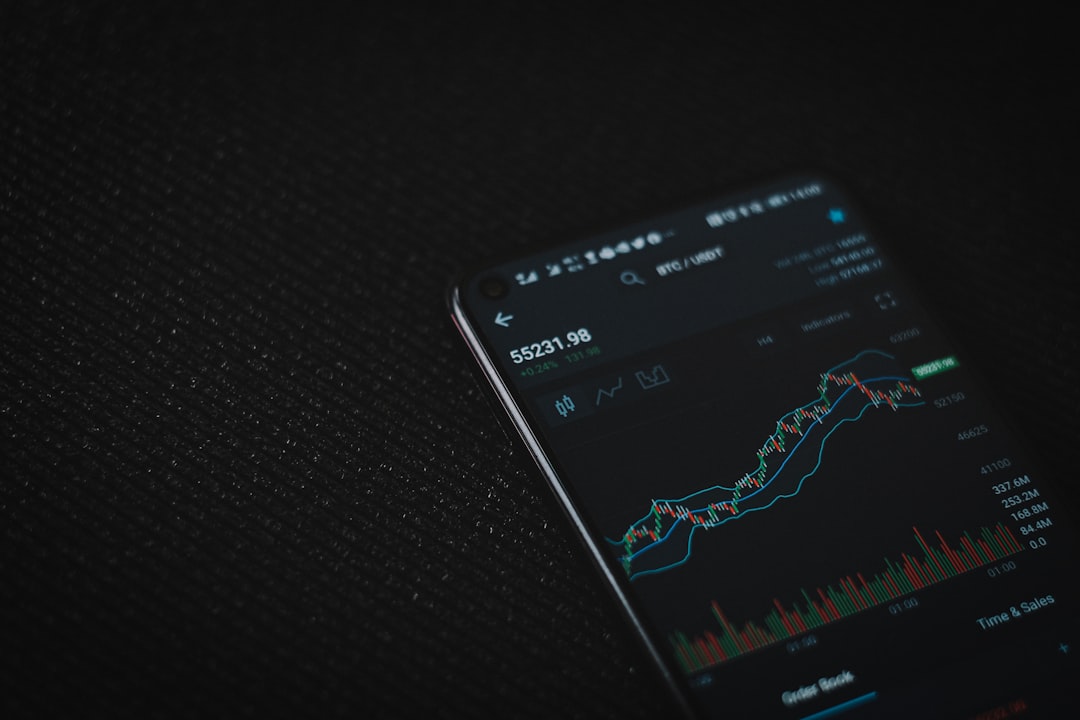
In March 2021, a single family office triggered the largest forced selling event the modern equity market had seen, and almost nobody outside a handful of prime brokerages saw it coming. The collapse of Archegos Capital Management, run by Sung Kook “Bill” Hwang, did not come from a surprise economic shock or a fraud charge. It came from a position so large and so leveraged that a routine share price move turned into a liquidation cascade. For ordinary investors, the episode is one of the cleanest illustrations of how hidden leverage can build up through derivatives, and how quickly it can spill into stocks that have nothing to do with the original trade.
The Short Version
- Archegos showed how total return swaps can hide concentrated leverage.
- When margins tighten, forced selling can hit several stocks at once.
- Prices can move for plumbing reasons even when the business story has not changed.
- Retail investors do not need to predict the next unwind, but they do need to understand the pattern.
How the Exposure Was Built
To understand the lesson, it helps to start with the instrument that made the build-up possible. A total return swap is a derivatives contract between two parties, typically an investment fund on one side and a large bank, the prime broker, on the other. The fund agrees to pay the bank a financing cost, usually a benchmark rate plus a spread. In return, the bank delivers the total economic return of an underlying basket of shares, meaning the dividends and any share price gains or losses. Critically, the fund never legally owns those shares. The bank does. The fund simply has the contract.
This structure has a practical effect that matters for anyone watching the market. Because the prime broker holds the shares, the fund’s exposure does not show up in the normal regulatory filings that analysts and journalists rely on. There is no large holder disclosure in many jurisdictions above certain thresholds, no obvious footprint on the share register, and no headline-grabbing stake. The fund can build a position that looks like a small slice of a company but behaves like a dominant shareholder, because the bank is holding the underlying stock on its behalf across multiple counterparties.
Archegos reportedly used this mechanism to build highly concentrated positions in a handful of media and technology names through several prime brokers at once. Each bank saw only its own slice of the trade, so the overall scale of the bet was hard to see from any single desk. Because the fund was putting up only a fraction of the position’s value as margin, the effective leverage, the ratio of total exposure to the fund’s actual capital, was unusually high. A small adverse move in the underlying shares could wipe out that capital quickly and force the prime brokers to act.
What Turned a Price Fall Into a Liquidation
The trigger in late March 2021 was not dramatic in itself. ViacomCBS, one of the larger holdings, announced a secondary share offering at a price that came in below where some investors had been hoping. The stock fell sharply on the news. For a fund holding a large long position financed through swaps, a sharp fall changes the maths. The losses flow back through the swap to the fund, but the bank’s prime brokerage unit is still sitting on the underlying shares. As the value of the collateral erodes, the bank asks for more margin, or more cash, from the fund to keep the trade open. If the fund cannot pay, the bank has the contractual right to unwind the position by selling the shares it holds.
This is where the experience for the wider market begins. When several prime brokers arrive at the same conclusion on the same morning, that is exactly what happened. Each desk started selling the same set of names to protect itself. A position that had been built quietly through swaps was being unwound noisily in the cash equity market. The sales were large enough to be executed only in blocks, meaning institutional-sized chunks of stock sold at a discount to the prevailing price to find buyers quickly. Block sales by their nature push the share price down further, which can trigger more margin calls, which can require more selling. This feedback loop is what traders mean when they talk about a forced unwind.
Why the Unwind Spread Beyond One Stock
The second important mechanic is cross-stock contagion. Several of the names caught up in the selling had no direct link to the original thesis. Stocks that moved sharply during the unwind, including names where Archegos was reported to hold large swap-based positions, traded down not because their fundamentals changed but because supply had to find a buyer somewhere. Index funds tracking the broader US equity benchmarks were forced sellers as well, in the technical sense that they had to keep their portfolios representative, so when a constituent stock fell heavily the fund’s rules required it to sell. Pension funds, savings schemes and retail investors holding broad index trackers therefore saw a small, almost invisible drag from a position they never owned.
For a retail investor watching the headlines, this can feel like the market acting irrationally. In fact, the prices were telling a precise story: the marginal seller was a prime broker, the marginal buyer was anyone with cash and a long time horizon, and the gap between those two sides was the price impact of forced selling. Once the blocks were cleared and the leverage was removed, the affected stocks tended to stabilise, though some never fully retraced their losses because the underlying thesis had changed for other reasons.
What Hidden Leverage Means for Market Structure
The practical lessons are worth stating plainly. First, large concentrated positions are fragile. When one fund, or a small group of connected funds, holds an outsized share of a company’s float through swaps or direct holdings, a routine move in either direction can become a forced trade. Second, derivatives can hide what is effectively economic ownership from public view. A swap-based position is a real exposure for the fund and a real risk for the bank, but it can sit outside the disclosure regimes that govern traditional share ownership. Third, liquidity is a two-way street. A market that absorbs ordinary trading comfortably can be overwhelmed by simultaneous selling from a handful of large counterparties, which is why block trades matter for everyone.
For an ordinary investor building a long-term portfolio, the takeaway is not to predict the next Archegos but to understand the shape of the risk. Diversification is the simplest defence. If your portfolio is spread across many companies, sectors and regions, no single forced unwind in a name you do not own can move your results materially. If you use index funds, know that broad market products can act as small shock absorbers during these events, because they rebalance mechanically and reflect the new prices without judgement. If you trade individual shares, understand that headline moves around cluster selling days may have nothing to do with the underlying business, and that prices quoted in the middle of an unwind may not be the prices a long-term holder will actually realise.
There is also a lesson about counterparty risk that filters down to retail level. Total return swaps moved the leverage from the fund that wanted it to the bank that could price and bear it. In other words, the risk did not vanish; it changed hands. Banks manage that risk through margin systems, stress tests and concentration limits, but those controls have thresholds. When several prime brokers face the same concentrated trade at the same time, the limits can all bind on the same day. That is the structural lesson the Archegos episode delivered, and it is one regulators, brokers and large funds have spent the years since addressing through tighter margin rules and earlier disclosure on large swap exposures.
The Financial Stability Board work on non-bank financial intermediation is useful context because it focuses on how leverage and counterparty links can amplify stress outside the most visible parts of the system.
A Worked Example
Imagine a fund controls a large exposure through swaps and posts only a slice of the full value as margin. A sharp drop in one core holding means the bank wants more cash immediately. If the cash does not arrive, the bank sells the shares it holds to protect itself, even if the underlying business has not changed overnight.
If several banks are doing that into the same names at once, prices can gap lower for mechanical reasons. That does not make the market irrational. It means the plumbing of leverage has become the story for the day.
What This Means For You
You do not need to trade derivatives to learn from this. Our guides to dark pools and HFT, market makers and how to read a share price listing all point to the same discipline: understand who is moving the price before you assume the move reflects new value.
If a stock is caught in a forced unwind, the best private-investor response is usually patience. Separate the temporary plumbing shock from the long-term business case before you decide whether the move matters to your own plan.
In Plain English
Archegos collapsed because a heavily leveraged position could not survive a normal-looking price fall once the margin maths turned against it. The selling that followed affected other investors because banks had to dump shares quickly.
The useful lesson is simple. Markets can move for structural reasons as well as for company reasons. If you understand that difference, the next forced unwind will look less mysterious and your own decisions are less likely to become reactive.
This article is for general financial education only. It is not financial advice or personal investment advice. Investments can fall as well as rise, and you may get back less than you invest.
This post is adapted from The Street Smart Trader. Used with permission.