Dark pools, HFT and the trading world private investors never see
A plain English guide to dark pools, high frequency trading, hidden liquidity and what private investors should take from market structure.
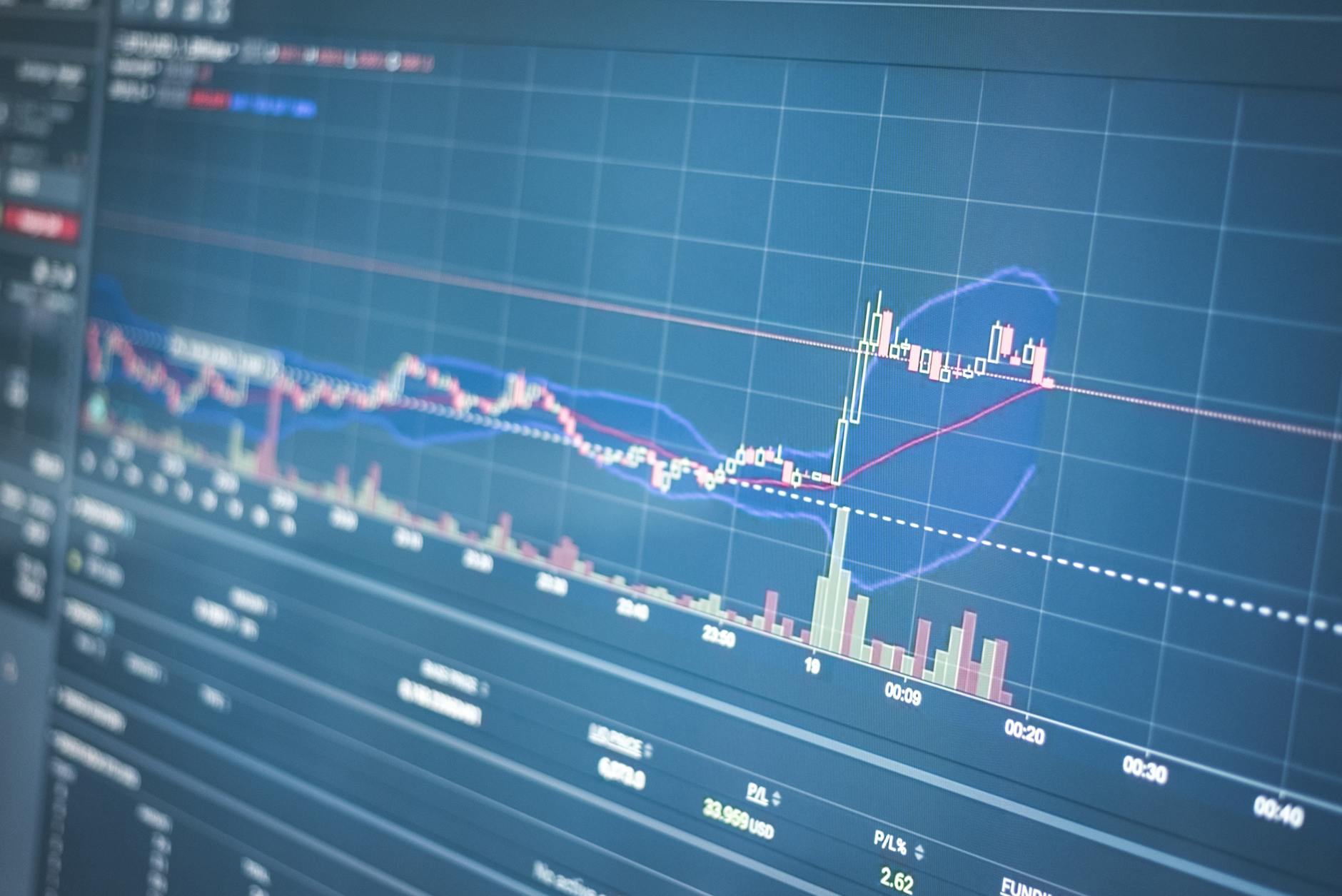
Dark pools and high frequency trading sound like hidden machinery built to beat ordinary investors. The reality is more useful than the myth: they show why private investors should respect market structure before trying to outsmart it.
The Short Version
- Dark pools are private trading venues where orders are not shown before execution.
- High frequency trading uses speed, automation and market data to trade at very short timescales.
- These systems can improve liquidity, but they can also make markets harder for outsiders to read.
- Private investors usually do not need to trade inside this machinery.
- The practical lesson is to avoid strategies that depend on speed you do not have.
What dark pools actually are
Dark pools are venues where buyers and sellers can trade without showing their full order to the public market before the trade happens.
That sounds suspicious, but there is a legitimate reason for it. Large institutions may not want a big order to move the price before it is complete.
If a pension fund wants to sell a large holding, showing the full order could push the price down before the sale is finished.
A dark venue can reduce that market impact. It can also reduce transparency, which is why regulators watch the area closely.
The FCA has described how UK equity market dark pools work and why oversight matters.
For a private investor, the key point is simple. Some trading happens away from the visible order book.
How HFT fits into the picture
High frequency trading, or HFT, is not just fast clicking. It is automated trading built around data, speed and tiny price differences.
Some HFT firms provide liquidity by quoting prices. Others look for short lived patterns across venues.
This can help spreads narrow in normal conditions. It can also make the market feel jumpy when orders move quickly.
The FCA has studied whether high frequency traders anticipate order flow in UK markets.
The important lesson is not that every fast trader is bad. It is that speed is a professional resource.
Ordinary investors should not build a plan around winning a race measured in milliseconds.
Why hidden liquidity exists
Hidden liquidity exists because large trades can damage themselves when they become visible too soon.
If everyone sees a large buyer, sellers may lift prices. If everyone sees a large seller, buyers may step away.
Dark pools can be useful for institutions. They try to match interest without revealing too much in advance.
That does not mean the private investor gets a clearer view of supply and demand.
In fact, it means the quote on screen is not the whole market. It is the visible part of the market.
That is why reading a price as if it tells the full story can be misleading.
Where private investors get hurt
Private investors get hurt when they mistake access for equality. A trading app may feel professional, but the information set is not the same.
Professionals may see deeper liquidity, faster feeds and routing choices that ordinary investors never touch.
The problem is not that every trade is rigged. The problem is that some strategies need tools most people do not have.
Day trading around tiny price moves is one example. Trying to beat fast traders at their own game is another.
Our guide to market makers explains why the displayed price is only one part of execution.
The safer response is to choose trades where time, research and patience matter more than reaction speed.
How to think about execution
Execution is the practical detail of how your order is filled. It matters more than many beginners realise.
A market order asks to deal now. A limit order sets the worst price you will accept.
In a thin or fast market, that difference can matter. A limit order can stop a poor fill, although it may not execute.
Dark pools do not change that basic lesson. They remind you that markets are layered and sometimes fragmented.
If you invest for months or years, a few seconds of execution speed should not be the centre of your plan.
If a strategy only works with perfect timing, it may be too fragile for a private investor.
What regulation is trying to balance
Regulators have to balance competing goals. Markets need transparency, but large orders may need ways to avoid unnecessary market impact.
They also need innovation, but automated trading can create operational and fairness concerns.
That is why dark pools, algorithmic trading controls and venue rules sit inside a broader market structure debate.
The private investor does not need to master every rule. You do need to understand that the market is designed, not natural.
Rules shape who sees what, how quickly orders move, and where liquidity appears.
That matters because the playing field can improve without becoming perfectly level.
A Worked Example
Imagine you see a small company share moving quickly after a news release. The price jumps, dips, then jumps again.
A trading app makes it easy to buy immediately. The chart makes the move look obvious after it has happened.
Behind the screen, orders may be routed across venues, liquidity may change, and faster traders may react before you finish reading.
A market order could fill at a worse price than expected. A limit order may protect the price but miss the trade.
The worked example shows the real point. You are not just judging the company. You are also dealing with market plumbing.
If the opportunity disappears in seconds, it probably belongs to someone with better tools.
What This Means For You
Dark pools and HFT should make private investors more realistic, not more paranoid.
You cannot see every order. You cannot match professional speed. You can still make sensible long term decisions.
Use limit orders when price matters. Avoid trading at frantic moments unless you have a clear reason.
Do not assume the screen shows the full depth of the market. It shows enough to trade, not enough to know everything.
Our guide to two questions before trading on market news is a useful next step.
The better edge for most people is not speed. It is patience, position sizing, cost control and knowing when not to trade.
If you own shares for the business value, these hidden systems are usually background noise.
If you try to scalp tiny moves, they become the arena you have chosen.
That is the decision. Pick the game where your strengths have a chance of mattering.
This article is for general financial education only. It is not financial advice or personal investment advice. Investments can fall as well as rise, and you may get back less than you invest.
In Plain English
Dark pools are private places where some trades happen without being shown first on the public order book.
HFT is very fast automated trading. It can help markets work, but it is not a game private investors are built to win.
This post is adapted from The Street Smart Trader. Used with permission.