5G Home Broadband: Fibre Alternative Or Backup?
5G home broadband can beat old copper lines, but signal, latency, router placement and contract terms decide whether it suits your home.
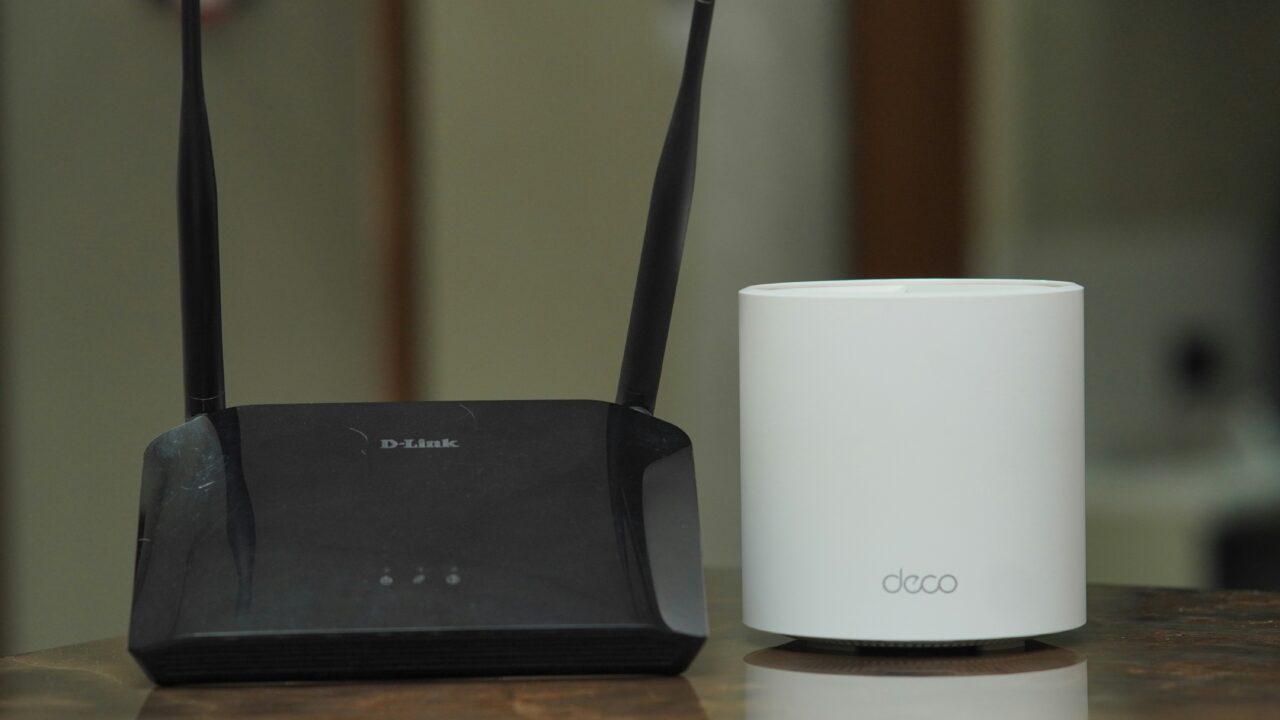
5G home broadband sounds simple: plug in a router and get online through the mobile network. In the right home, it can beat an ageing copper line. In the wrong home, it can be fast one minute and frustrating the next.
The Short Version
Key Takeaways
- 5G home broadband is fixed wireless access, not fibre without the cable.
- It can be useful where copper broadband is slow or fibre is unavailable.
- Signal strength, mast capacity, router position and indoor coverage matter more than headline speed claims.
- Fibre is usually steadier for gaming, heavy home working and busy households.
- A short contract or trial period is worth having if you are unsure.
What 5G Home Broadband Actually Is
5G home broadband uses the mobile network to connect your home to the internet. Instead of a phone line, cable connection or full-fibre line, you use a router with a mobile SIM inside it. The router connects to a nearby mast, then shares that connection around your home over Wi-Fi or Ethernet.
Ofcom describes this kind of service as fixed wireless access: broadband delivered over a wireless network, either through a mobile network or a dedicated wireless network. The important word is “wireless”. There is no physical broadband line into your home for the internet connection itself.
That gives 5G home broadband two attractions. It can be quick to install, often with no engineer appointment. It can also reach homes where fixed-line choices are poor, especially where the alternative is old copper or a long wait for full fibre.
Why It Can Beat Old Copper Broadband
If your current broadband arrives over a long copper line, 5G can feel like a serious upgrade. Copper performance falls with line length and line condition. In some homes, that means modest downloads, weak uploads and a connection that has not meaningfully improved for years.
A strong 5G connection can deliver enough speed for streaming, video calls, cloud backups and ordinary home working. It can also be useful for renters, students and households that need broadband before a fixed line can be installed.
The wider UK context matters. Ofcom’s Connected Nations 2025 report says full fibre was available to 78% of UK residential premises in July 2025, while gigabit-capable broadband reached 87%. That still leaves homes where mobile may beat the best fixed-line option.
Where Fibre Still Has The Edge
Full fibre has one big advantage: consistency. The connection is built for fixed broadband, runs to your property, and is less exposed to mobile signal and mast load. That does not mean every fibre package is perfect, but it is normally easier to predict.
The biggest difference is latency: the delay between your device asking for something and the network responding. 5G can have good latency, but it is more variable. A speed test might show strong downloads while missing the lag spikes that freeze a call, stutter a game, or make a remote desktop feel sticky. If you are comparing deals, our guide to mid-contract broadband and mobile price rises is worth reading before you sign a long contract.
Coverage Checks That Actually Matter
The first check is simple: does the provider sell 5G home broadband at your exact address? Mobile coverage on a phone is useful evidence, but it is not the whole answer. Some networks restrict home broadband products where they do not believe there is enough local capacity.
Next, check more than one map. Use the provider’s own availability checker, then use Ofcom’s mobile and broadband checker for a wider view. Ofcom notes that fixed wireless coverage information is based on operators’ predictive modelling, and local issues can still prevent service even where coverage is predicted.
That warning matters. A postcode checker cannot see your flat, window direction, wall materials, trees, scaffolding, or thick glass. Two homes on the same street can have very different results.
Router Position Is Not A Small Detail
With fixed-line broadband, router position mostly affects Wi-Fi around the home. With 5G home broadband, router position affects both the home Wi-Fi and the connection to the mobile network. Placement is not a small detail.
A window facing the right mast can make a huge difference. A router buried behind a TV, inside a cabinet, or in the middle of a thick-walled home may perform far worse than the same router upstairs near a window. Some providers offer outdoor units, but those are more involved than a simple plug-in router.
Do not judge the service from one quick test in one room. Move the router, restart it, and compare results at different times of day. A good 5G signal feeding a poor home Wi-Fi setup can still feel like bad broadband. The same practical mindset applies elsewhere too: our guide to smartphone settings worth changing on day one explains why defaults are not always the best setup.
Contracts, Data Limits And Reliability
Before you switch, read the contract like it matters, because it does. Some 5G home broadband deals are monthly. Others lock you in for longer. A short deal may cost a little more, but it can be safer if you do not yet know how stable the connection is in your home.
Check whether the plan is truly unlimited, whether traffic management applies, and whether the router must be returned. Mobile networks are shared, so mast work, local congestion, network changes or new building work can affect performance.
A 5G router can also be a useful backup if your fixed broadband fails. But if your phone and home broadband are both on the same mobile network, a local fault could affect both. For a backup plan, diversity matters. If your home still relies on older phone infrastructure, our explainer on the UK copper landline switch-off is a useful companion read.
A Worked Example
Imagine a household with two adults working from home three days a week. Their current copper-based broadband delivers about 28 Mbps down and 6 Mbps up. Video calls work, but large uploads are slow and evening streaming can feel tight.
A provider offers 5G home broadband at the address on a rolling monthly contract. A phone on the same network gets 180 Mbps down near an upstairs front window, 35 Mbps up, and acceptable latency in the morning. In the evening, it falls to 75 Mbps down and latency becomes less steady, but video calls remain usable.
For that household, 5G could be a sensible main connection if full fibre is unavailable. The rolling contract reduces the risk, and the tested evening performance is still better than the old line. Now change one detail: one person plays competitive online games every evening. In that version, 5G may still be a useful backup, but full fibre would be the better main connection if available.
What This Means For You
If full fibre is available at your home at a fair price, start there. It is usually the better long-term foundation, especially for busy households, gaming, frequent video calls and work that depends on stable latency.
If your fixed-line choice is weak, expensive, slow to install, or unavailable, 5G home broadband is worth testing. Treat it like a signal-dependent service, not a guaranteed fibre replacement. Check your exact address, test indoors, place the router carefully and prefer a trial period if you can.
The best answer may be mixed. Fibre as the main line and 5G as a backup can make sense for people who cannot afford downtime. For everyone else, the question is not whether 5G is “as good as fibre”. It is whether it is stable enough for your home.
In Plain English
5G home broadband is internet through the mobile network. It can be much better than old copper broadband if you have strong signal and a good router position.
It is not automatically better than fibre. Fibre is usually steadier, especially when several people are online or you care about lag.
Check the address. Test the signal. Avoid a long contract until you know how it behaves in your home.