What is a share? The plain English version
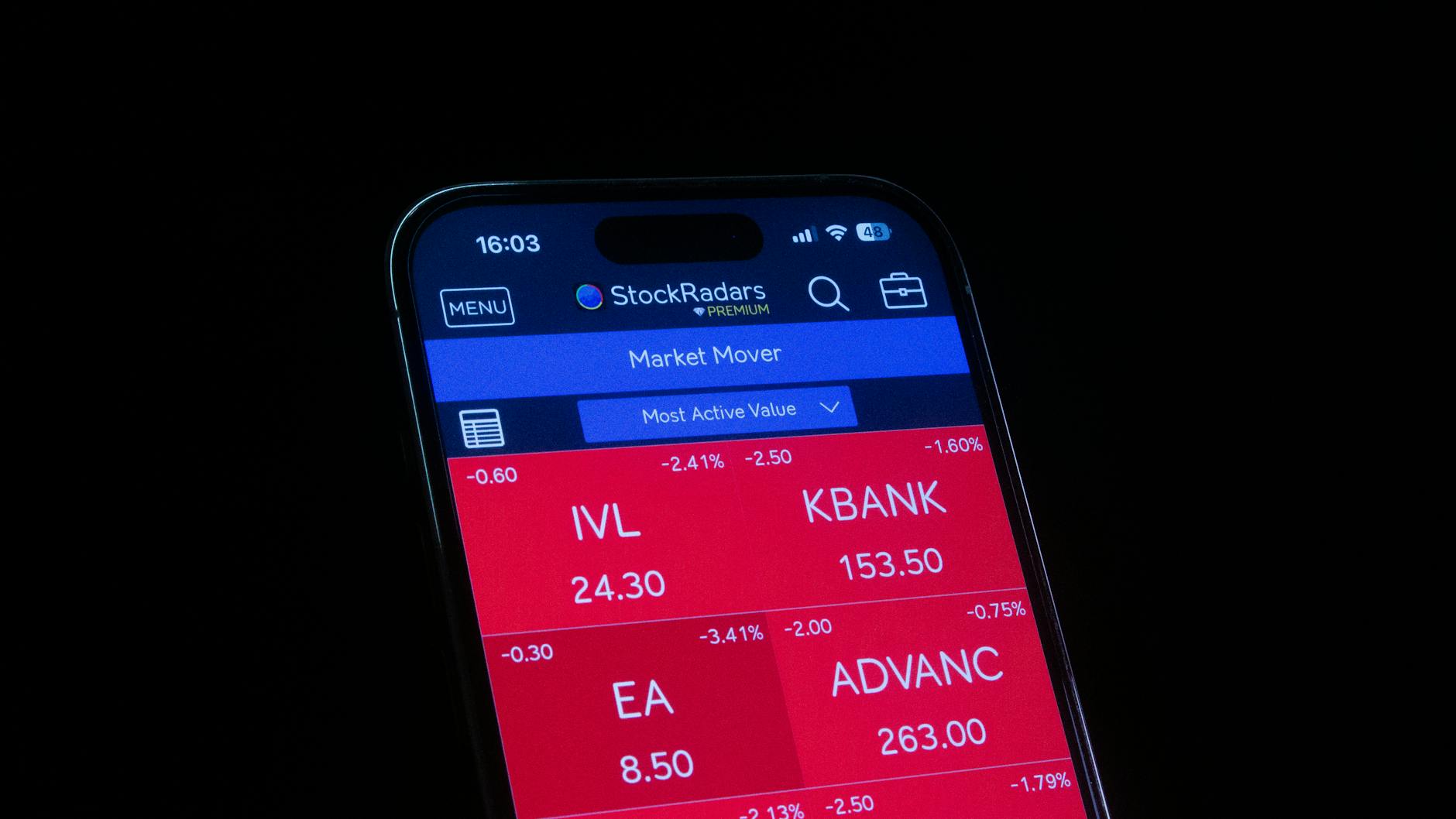
A share is the smallest possible slice of ownership in a company. That is the whole idea. If you buy one share in Tesco, you own a tiny fraction of Tesco. Not the shop down the road, not the tins of beans on the shelf, but the company itself.
Everything that follows flows from that one simple fact. The way share prices move, the reason dividends exist, the whole stock market. It all sits on top of this basic idea of fractional ownership.
Companies that want to grow beyond what their founders can afford usually need money. They can borrow it from a bank, which means paying it back with interest. Or they can sell slices of ownership in exchange for cash today. The second option is what a share is.
When a company does this for the first time on a stock market, it is called an Initial Public Offering, or IPO. After that, those shares trade on exchanges like the London Stock Exchange. Anyone with a brokerage account can buy and sell them.
What you actually own when you buy a share
Owning a share gives you three things. You share in the company’s future profits, usually paid out as dividends. You share in the rise or fall in its value, reflected in the share price. And you get a vote at the company’s Annual General Meeting.
Unless you own a significant chunk, your vote does not change much. Big institutional holders such as pension funds and asset managers carry the real weight. The first two rights, dividends and price gains, are what most retail investors actually care about.
Here is a concrete UK example. Imagine you bought one share in Lloyds Banking Group in 2019 for about 55p. By 2026 that share is worth roughly double, and along the way Lloyds has paid you dividends most years.
You did not do any work. You did not make any decisions. You did not have to show up anywhere.
You simply owned a tiny slice of one of the biggest banks in the country. A portion of what the bank earned flowed back to you.

Shares come in a few flavours. Ordinary shares are what most people own and what most of this article describes. Preference shares pay a fixed dividend and rank ahead of ordinary shares if the company gets into trouble.
Preference shares usually do not come with voting rights. They also rarely rise much in price. In the UK, many private companies have multiple share classes with different rights. On public markets you will almost always be dealing with ordinary shares.
How dividends actually reach your account
A dividend is a slice of company profits paid to shareholders, usually twice a year. The amount is set by the board. There is no obligation to pay one, which is why some growing companies pay nothing and reinvest instead.
Three dates matter. The declaration date is when the board announces the payment. The ex-dividend date is the cut-off: buy the share before this date and you receive the dividend, buy on or after and you do not. The payment date is when the cash actually lands in your account.
UK dividends sit inside their own tax wrapper. Every taxpayer has a small dividend allowance each year, taxed at zero. Anything above that is taxed at 8.75% for basic-rate payers, 33.75% for higher-rate, and 39.35% for additional-rate. HMRC publishes the current allowance and rates.
The simplest way around dividend tax is a Stocks and Shares ISA. Dividends and capital gains inside an ISA are not taxed at all. We cover the wider picture in our guide to tax on shares and investments.
Risk, gambling and the long view
Where shares really differ from a bank account is risk. A bank account is a debt the bank owes you. If the bank goes bust, the Financial Services Compensation Scheme protects up to eighty five thousand pounds.
Shares are not protected that way. If the company goes bust, shareholders are last in line. The taxman, the staff, the bondholders and the banks all get paid first. You can lose everything you put in.
This is the trade-off. Over long periods, the stock market has beaten cash and bonds by a comfortable margin. The ride is bumpy and the protection is weaker, but the long-run reward has been worth it for patient investors.
A common misconception is that buying shares is gambling. It is closer to the opposite, if you do it the right way. Gambling is a short-term bet where the odds are stacked against you.
Buying a diversified basket of shares is buying a claim on the future earnings of real businesses. Their profits tend to grow over time as the economy grows. The market bounces around day to day, but over twenty years the direction has been clear in every developed economy.
What happens when a company is bought, delisted or goes bust
Most shareholdings end in one of three ways. The first is a takeover. Another company offers to buy yours, usually at a premium to the current share price. You can accept cash, accept shares in the buyer, or hold out and risk being squeezed out at the final offer price.
The second is delisting. The company chooses to leave the public market, often after going private. You may receive a cash exit at a set price. If you refuse, you can end up holding unlisted shares that are very hard to sell.
The third is the worst case: liquidation. The company runs out of money and closes. Assets are sold, creditors are paid in a strict order, and shareholders receive whatever is left. In most insolvencies, that is nothing.
None of these outcomes is common in any one year for a large UK company. Over a working lifetime, though, you will see all three at least once across a portfolio. Building a position in many companies, not one, is how you avoid being wiped out by a single bad outcome.
Buying shares: brokers, the bid-ask spread and nominee accounts
You cannot buy a share directly from the London Stock Exchange yourself. You go through a broker, also called a platform. UK names you will see often include Vanguard, Hargreaves Lansdown, AJ Bell, Trading 212 and Freetrade.
Each broker quotes two prices for any share. The bid is the price at which you can sell. The ask, or offer, is the price at which you can buy. The gap between them is the bid-ask spread, and it is one of the hidden costs of trading.
The spread is small for big FTSE 100 names and wider for thinly traded smaller companies. If you trade in and out frequently, the spread eats into your returns. If you buy and hold for years, it barely matters at all.
When you buy through a UK platform, you do not technically own the shares directly in most cases. You own them through a nominee account, where the platform holds the legal title and you hold the beneficial interest. Behind the scenes, the actual share register is run by CREST, the UK’s central securities depository.
This setup is normal, efficient and safe in the usual case. Client assets are ringfenced and cannot be touched by the platform’s own creditors.
You should still only use platforms regulated by the Financial Conduct Authority. It is worth checking your broker is FCA authorised before you fund an account. The FCA register is free to search.
Owning shares without picking them: trackers and ISAs
You do not need a lot of money to start, and you do not need to pick winners. UK platforms let you start with almost nothing. Stockbrokers used to demand minimum account sizes and twenty five pounds a trade. Those barriers have mostly been demolished.
The simplest route for most people is a single global tracker fund inside a Stocks and Shares ISA. One purchase gives you a sliver of thousands of companies in one go. The total cost is around twenty pence a year per hundred pounds invested.
This is also how you avoid concentration risk. Owning one share is owning one company’s future. Owning a tracker is owning the average future of an entire market, which is far easier to predict over twenty or thirty years.
Owning shares has a psychological dimension worth preparing for. Watching the value of your investments drop ten or twenty percent in a bad month is uncomfortable. You know the market always does this, but the feeling still bites. The investors who do best are the ones who can look at a falling price and do nothing, or buy more.
The practical takeaway
A share is a simple idea dressed up in centuries of jargon. It is a slice of a real business, and owning it gives you a claim on the future of that business. The price moves around, but the underlying claim is real.
The right way to use shares for most people is not to pick winners. It is to buy a diversified basket cheaply, inside an ISA, and hold for a long time. That approach is not glamorous. It is, however, how most of the everyday millionaires in Britain were quietly built.
This article is for informational purposes only and does not constitute financial advice. Investment values can go down as well as up. Always do your own research before making any financial decisions.