What is a crypto market cycle?
Crypto markets move in cycles: accumulation, markup, euphoria, and downturn. Here is what each phase looks like and what it means for UK investors.
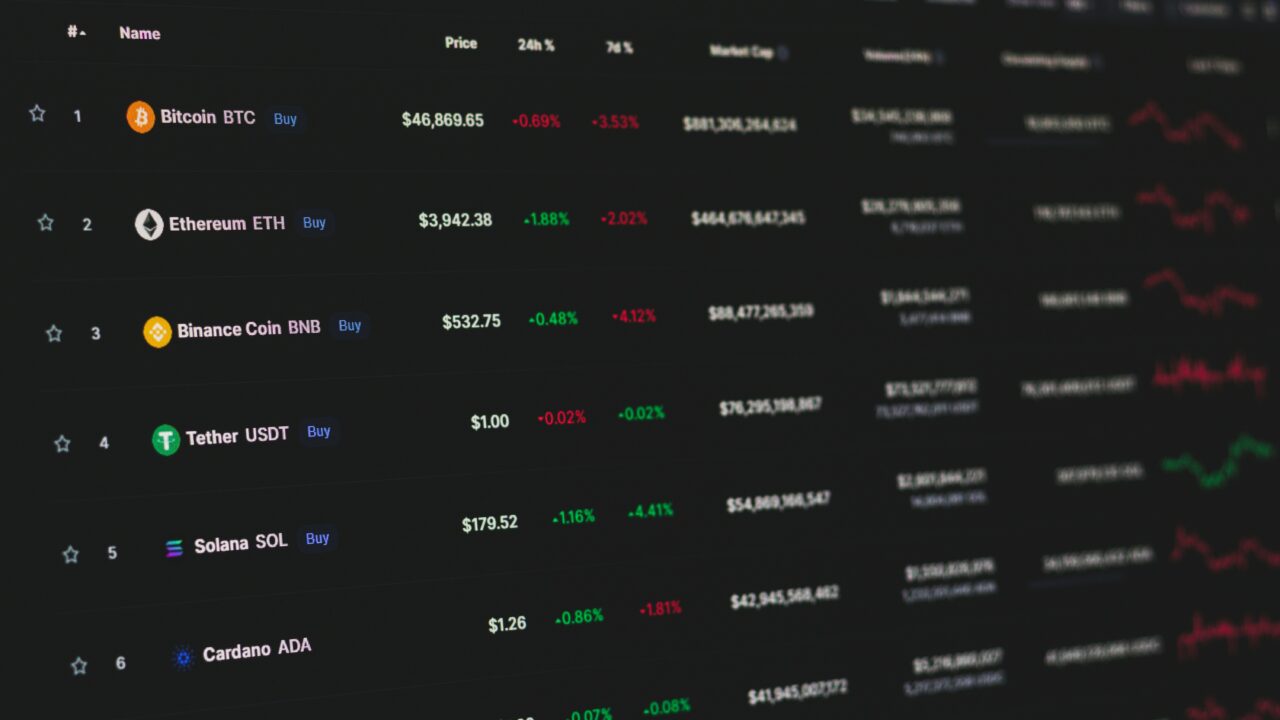
Every few years, the crypto market goes through a familiar sequence. Prices climb steadily, then surge violently, then collapse just as fast. New investors flood in near the top, convinced this time is different. Veterans who have watched it before start quietly selling. Then the long silence begins, and most of the newcomers disappear. Eventually, the cycle starts again.
This pattern is what analysts call a crypto market cycle. Understanding it is one of the most practically useful things anyone can learn about the asset class. It will not tell you exactly when to buy or sell. Nobody can do that reliably. But it will help you recognise where you might be standing at any given moment. That matters for how you approach the market.
The crypto market cycle is not unique to crypto. Traditional financial markets also move in cycles, driven by shifts in economic conditions, investor sentiment and the availability of credit. What makes crypto different is the speed and severity of those cycles. Where a stock market bull run might unfold over several years before correcting modestly, a crypto cycle can compress the same arc into eighteen months. Peak-to-trough drops of seventy or eighty per cent are not unusual.
The four phases of a crypto market cycle
Most analysts describe each crypto market cycle in four broad phases. The first is the accumulation phase. It comes after a major crash, when prices are low and sentiment is deeply negative. Trading volumes are thin. Most retail investors have left, either because they lost money or because they find the subject too dispiriting to follow.
It is during this phase that longer-term participants quietly build their positions. These are people who believe in the underlying technology and have the patience to wait for prices most people no longer want to touch. The accumulation phase rarely feels like an opportunity when you are living through it. That discomfort is largely the point of it.
The second phase is sometimes called the markup phase. Prices begin rising, slowly at first, then with increasing confidence. Positive news filters through: a new institutional buyer, a regulatory development that removes uncertainty, or simply a growing recognition that assets have been cheap. More people hear about crypto from friends or family, and the topic starts appearing in mainstream media more frequently. As prices rise, media coverage picks up. More people hear about crypto from friends or family, and the topic starts appearing in mainstream media more frequently. Search volumes for terms like “how to buy Bitcoin” start climbing. The mood shifts from scepticism to curiosity.
Then comes the euphoria phase, and this is where each crypto market cycle tends to become dangerous for newcomers. Prices are rising quickly, sometimes daily. Social media is full of people posting gains. Projects with no obvious value see their prices multiply. Friends who have never shown interest in investing are suddenly asking which coins to buy. The narrative usually sounds compelling: crypto is the future of finance, or some new technology is about to change everything. The detail that matters most in hindsight is this: those who bought at lower prices are often selling to those who are just arriving.
The fourth phase is the downturn, and it rarely arrives with obvious warning. Prices reverse, sometimes sharply. Investors who bought near the top hold on, convinced the price will recover. When it does not, some sell at a loss. Others simply stop looking at their portfolios. Projects that seemed promising in the euphoria phase turn out to have little substance. Exchange volumes dry up. The process that began with accumulation repeats in reverse.
Bitcoin halvings and what they mean for the cycle
Bitcoin’s halving events have historically acted as a catalyst that shapes where the crypto market cycle starts. Roughly every four years, the rate at which new Bitcoin is created is cut in half. This reduces the new supply entering the market. If demand holds steady or increases while supply tightens, the effect on price tends to be positive. The relationship is not mechanical, and past halvings do not guarantee future outcomes.
What halvings do offer is a rough framework for thinking about timing. This is why many cycle analysts use halving dates as a reference point when discussing where we might be in any given crypto market cycle. The four-year halving schedule does not dictate exact outcomes. But it has provided enough historical regularity that ignoring it entirely seems unwise. It is a piece of structural context rather than a prediction.
Sentiment indicators: reading the emotional temperature
Sentiment indicators add another layer to understanding the crypto market cycle. The Crypto Fear and Greed Index measures market sentiment on a scale from extreme fear to extreme greed. Historically, extreme fear has often coincided with cycle lows, while extreme greed has coincided with periods close to peaks. Neither is a precise timing tool, but both can serve as a rough check on whether the market’s emotional temperature suggests caution or opportunity.
On-chain data provides a further dimension. Metrics such as active wallet addresses and exchange inflows have each been used to identify phases within a crypto market cycle. The proportion of Bitcoin held at a profit or loss is another signal worth tracking. Used together, they can help calibrate where sentiment is relative to historical norms.
It is also worth noting that the crypto market does not move as a single unit. Bitcoin tends to lead the cycle, with other assets following. When Bitcoin is rising, a broader range of coins often rises with it. When Bitcoin falls sharply, almost everything falls with it. The relationship between Bitcoin and the rest of the market has loosened somewhat as the ecosystem has grown more complex. Bitcoin still functions as the dominant force setting the overall direction. Our post on what real world assets in crypto are covers how newer categories of crypto assets fit into this picture.
How to use the crypto market cycle practically
For anyone in the UK thinking about how all this applies, the most important takeaway is probably this. The time when crypto feels most exciting to buy is often the time when it carries the most risk. The time when it feels least exciting is often when the longer-term opportunity has historically been greatest. That is not an instruction to buy or sell anything. It is a description of how the crypto market cycle has tended to work.
The FCA has published guidance on the risks of crypto assets that is worth reading before making any investment decisions. Its consumer information on cryptoassets covers the regulatory position in the UK and the protections that do and do not apply. It also lists the questions you should be asking before putting any money into the market.
Understanding the crypto market cycle does not require you to time it perfectly. It just requires you not to be blindsided when the inevitable reversal comes. That means knowing what phase you might be in and deciding in advance how much you are willing to lose. It also means having a plan for how you will respond if prices move sharply in either direction. Our post on how stop-loss orders work is useful context here. The mechanics of protecting a position during a downturn apply whether you are trading crypto or any other volatile asset.
The hardest part of navigating any crypto market cycle is managing your own reactions to it. The euphoria phase is designed, in effect, to make buying feel rational and safe, precisely when prices are most elevated. The accumulation phase feels bleak and uncertain, which is exactly why prices are low. Recognising that pattern does not protect you from it automatically. But it gives you a frame for making more considered decisions when the market is at its most emotionally charged.
Disclaimer: Cryptocurrency investments are highly volatile and speculative. Their value can rise and fall sharply, and you could lose all of your investment. This article is for informational and educational purposes only and does not constitute financial advice. Always do your own research before making any investment decision.