Risk and reward: how investing trade-offs work
A plain English guide to risk and reward in investing, including volatility, time horizon, diversification and the trade-offs investors face.
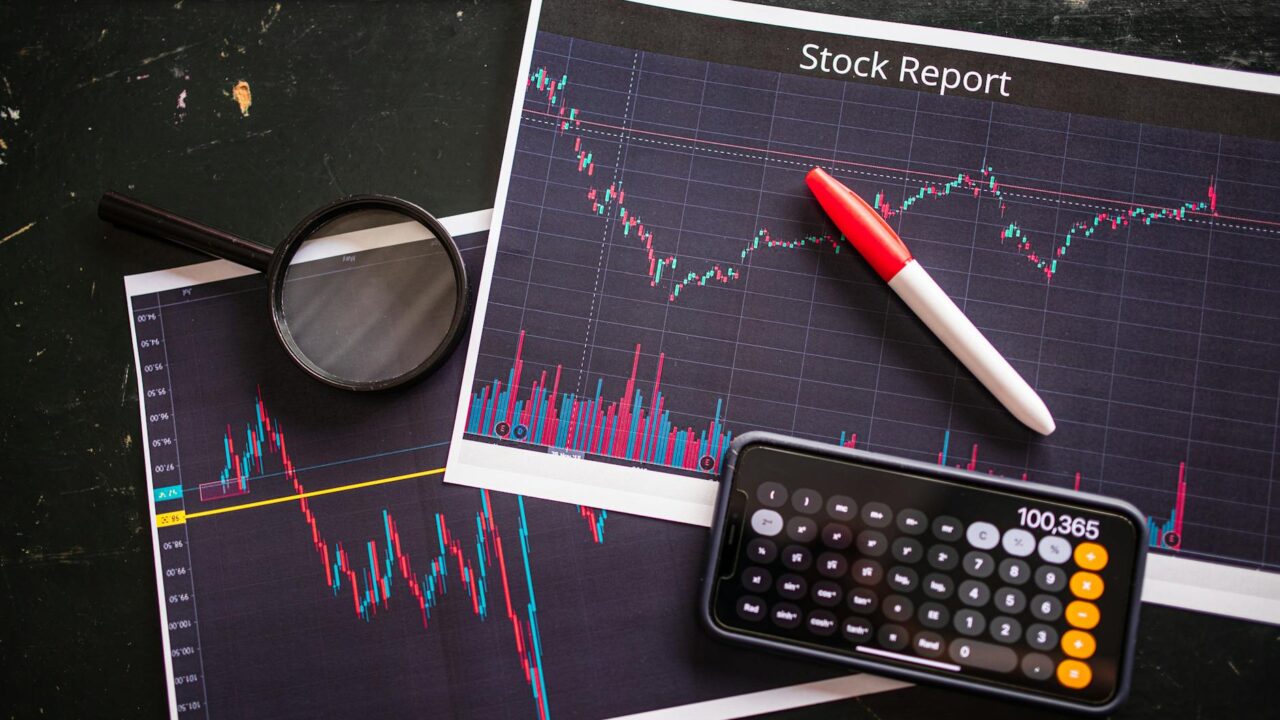
Risk and reward is the trade-off at the centre of investing. You cannot remove uncertainty and still expect meaningful returns. The useful skill is knowing which risks you are actually being paid to take.
The Short Version
- Risk and reward means every potential return comes with uncertainty.
- Higher potential returns usually require accepting larger swings or a bigger chance of loss.
- Time horizon matters because short-term risk can feel very different from long-term risk.
- Diversification helps spread risk, but it does not remove it.
- The goal is not no risk. The goal is risk you understand and can live with.
What risk really means
Risk is not only the chance that an investment falls tomorrow. It is the chance that reality differs from what you expected.
That can mean losing money, earning less than inflation, needing cash during a bad market, or owning something you do not understand.
Risk and reward are linked because investors usually demand compensation for taking uncertainty. Without that, they would choose the safer option.
The FCA InvestSmart campaign explains why checking risk before investing matters. It is a useful starting point for UK readers.
Some risks are visible, such as a share price falling. Others are quieter, such as holding too much cash while prices rise.
That is why risk and reward should be judged as a pair. Looking at either one alone gives a distorted picture.
Why higher returns need uncertainty
A bank account is relatively stable, so the expected return is usually lower. Shares can move sharply, so investors expect more over time.
That extra expected return is not free money. It is payment for accepting bad years, uncertainty and the chance of permanent loss.
Risk and reward also change by asset type. A global tracker fund, a single share and a speculative coin do not carry the same risks.
The key word is potential. A risky investment can offer a higher return and still disappoint badly.
This is the part many beginners miss. A high possible return is not a promise. It is the market saying the outcome is less certain.
If an advert presents high reward without clear risk, treat that as a warning sign. Real investing does not work that way.
Time horizon changes the risk
Time horizon means when you need the money. It is one of the most important parts of risk.
Money needed next year should not usually sit in volatile assets. A market fall could arrive just when you need to sell.
Money invested for ten or twenty years can usually handle more movement. The investor has more time to recover from bad periods.
Risk and reward feel different when time is short. A normal market wobble can become a real-life problem.
This is why emergency savings matter. They can stop you selling investments at the worst possible moment.
A cash buffer may lower expected return, but it can make the rest of the plan easier to hold.
Diversification spreads the danger
Diversification means not relying on one company, sector or asset. It spreads the danger of being wrong in one place.
A diversified portfolio can still fall. It simply reduces the chance that one failure destroys the whole plan.
Our guide to diversification in investing explains why not putting everything in one basket matters.
The trade-off is that diversification also limits the thrill of being very right. That is usually a price worth paying.
A single winning share can change a year. A single failing share can damage a portfolio for much longer.
Diversification accepts that you will not know the winner in advance. It is a humility tool as much as a maths tool.
Risk capacity is personal
Risk capacity is what your finances can handle. Risk tolerance is what your nerves can handle. They are not the same thing.
Someone with stable income, emergency savings and a long time horizon may have high capacity. They may still hate market swings.
Someone else may be comfortable with volatility but need the money soon. Their capacity is lower, even if their confidence is high.
The FCA suggests asking clear questions before investing. Its five questions before you invest are a useful checklist.
The right answer can also change. A new job, mortgage, child or health issue can alter how much uncertainty makes sense.
Reviewing risk and reward once a year is usually better than reacting every time markets move.
Protection has limits
Some people assume regulation removes risk. It does not. Regulation can reduce fraud and poor conduct, but markets still move.
The Financial Services Compensation Scheme can protect eligible investments if an authorised firm fails. It does not cover normal investment losses.
The FSCS investment protection page explains that distinction in more detail.
This matters because risk and reward should be judged before you buy, not after something goes wrong.
Fraud risk is different again. An unauthorised scheme can leave you with little protection and no real investment behind the promise.
If you cannot verify the firm, the product and the protection, do not treat the return claim as meaningful.
A Worked Example
Imagine two people invest GBP 10,000. One needs the money for a house deposit in two years. The other is investing for retirement.
The same fund could be too risky for the first person and reasonable for the second. The investment did not change. The situation did.
Now imagine a higher-risk fund offers stronger potential returns. That does not make it better. It only changes the trade-off.
The question is whether the extra possible return is worth the extra uncertainty. That is risk and reward in practical terms.
If either person would panic and sell after a fall, the risk may be too high. Behaviour is part of the calculation.
A plan that only works when you feel brave is not really much of a plan.
What This Means For You
Start with the job your money needs to do. Then choose investments that fit the time horizon, not the other way round.
If you cannot explain the main risk in one sentence, pause. Confusion is a risk by itself.
Also remember that a lower-risk choice can still be wrong if inflation quietly erodes your money. Safety has more than one meaning.
For the cost side of the decision, our guide to what it costs to invest in shares explains fees and charges.
This article is for general financial education only. It is not financial advice or personal investment advice. Investments can fall as well as rise, and you may get back less than you invest.
In Plain English
Risk and reward means you take uncertainty in the hope of a better result. More possible reward usually means more possible pain.
The sensible aim is not to avoid every risk. It is to take risks that fit your money, your time and your temperament.