Should I buy an electric car in 2026? An honest answer
Thinking about going electric? An honest cost breakdown, a clear look at range anxiety, and the questions worth answering before you commit.
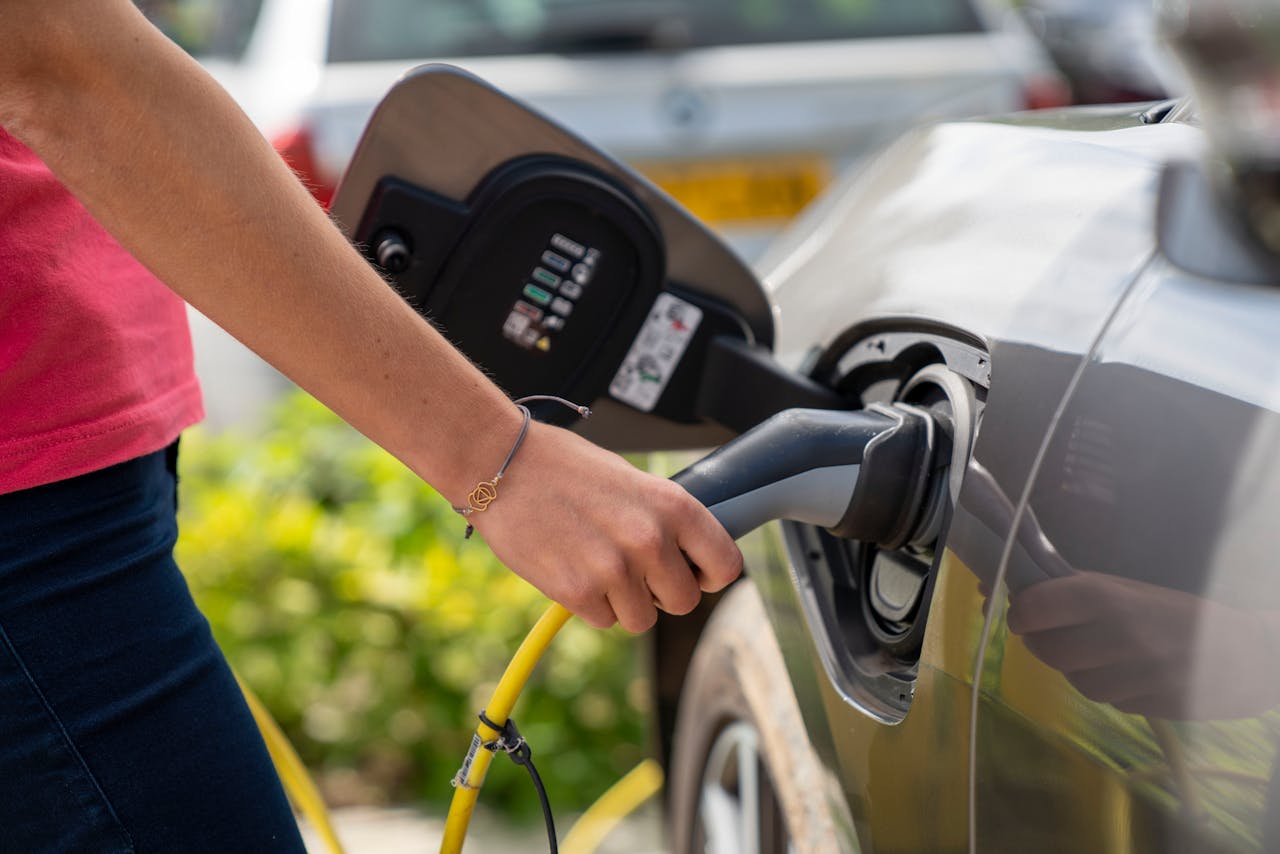
Buy an electric car only if the charging, mileage and costs fit your life. The car itself may be good. The question is whether the setup around it works for you.
The Short Version
- If you can charge at home, an electric car can be cheaper and easier to live with.
- If you rely on public rapid charging, the saving can shrink or disappear.
- Range is good enough for most daily UK driving, but long trips still need planning.
- Before you buy an electric car, check insurance, depreciation, battery warranty and charger access.
Should you buy an electric car in 2026?
The honest answer is that it depends less on the badge and more on your routine. An electric car suits predictable driving, regular parking and cheap charging. It suits a driveway better than a random kerb.
For many UK households, the case is now strong. The cars are better, ranges are longer and used prices have fallen. The early-adopter phase is mostly over.
For other drivers, the case is still mixed. Flats, terraced streets and rural routes can make charging more awkward. If you buy an electric car without solving that first, the novelty will fade quickly.
Home charging changes the whole calculation
Home charging is the biggest dividing line. If you can install a wall charger, you can fill the battery overnight while the car is parked. That usually beats visiting a rapid charger at the end of a long day.
Cheap overnight tariffs can make each mile much cheaper than petrol or diesel. The exact saving depends on your tariff, battery size and driving style. Still, home charging is where the strongest financial case starts.
There is an upfront cost. You may need a wall box, electrical work and permission if you are not the freeholder. Our guide to home EV charging costs explains the practical setup.
If you cannot charge at home, pause before you buy an electric car. Public charging may still work, but it becomes the centre of the decision. You are buying a charging routine, not just a vehicle.
Public charging is better, but still uneven
The UK charging network has improved, especially on motorways and busy routes. The government tracks public chargepoint rollout through official data on electric vehicle charging infrastructure. The direction is clear, but local coverage still varies.
Rapid chargers are useful because they cut waiting time on long trips. They are also usually more expensive than home charging. That price gap matters if you use them every week.
Reliability matters too. A charger listed in an app is not the same as a charger that is free, working and easy to pay for. Our guide to public EV charging in the UK covers that frustration.
Before you buy an electric car, map your normal week. Include commuting, school runs, shopping, weekend trips and family visits. Then check where you would charge without changing your life too much.
Range anxiety is really planning anxiety
Most modern electric cars can handle normal daily mileage. Many drivers do fewer than 40 miles on a typical day. A car with 200 miles of real-world range covers that easily.
The problem appears on unusual days. A winter motorway trip, a detour and a busy service station can turn range into a planning issue. That does not make the car bad. It does mean the route needs thought.
Cold weather also reduces range. Heating the cabin uses energy, and batteries are less efficient when temperatures fall. A quoted summer range is not a promise for January.
If you buy an electric car for mostly local trips, range may matter less than you expect. If you do regular long journeys, range and charging speed become much more important.
The ownership costs are not just fuel
Fuel savings get most of the attention, but they are only one part of the cost. Insurance can be higher on some electric models. Repairs can also be expensive if specialist parts are involved.
Servicing is usually simpler because there are fewer moving parts. There is no oil change, and regenerative braking can reduce brake wear. That helps, but it does not cancel every other cost.
Depreciation deserves special attention. Some used electric cars have fallen sharply as new prices changed and battery technology improved. That can be good for used buyers and painful for new buyers.
Check the battery warranty before you buy an electric car. Many warranties run for years, but the details matter. Look at mileage limits, minimum battery health and transfer rules for used cars.
Company car tax can tilt the answer
For company car drivers, the tax case can be very strong. Fully electric cars have had low benefit in kind rates compared with higher-emission petrol cars. That can make the monthly tax bill much lower.
The official company car benefit tables show how emissions affect the taxable percentage. This is one area where the numbers can move the answer fast.
Business owners should still check the full position with an accountant. Vehicle price, charging, VAT, corporation tax and personal tax can all interact. A low tax rate does not make every deal sensible.
If you buy an electric car through work, separate the tax saving from the car decision. A good tax result helps. It does not fix the wrong vehicle or a poor charging setup.
A Worked Example
Imagine two drivers looking at the same used electric hatchback. Driver one has a driveway, an overnight tariff and a 25-mile commute. Driver two parks on the street and drives 250 motorway miles twice a month.
Driver one can charge cheaply at home and rarely thinks about range. The car starts each morning with enough battery. The running-cost case is strong.
Driver two may spend more time using rapid chargers. The car may still work, but the cost and planning burden are higher. The same vehicle gives a different answer.
This is why the question is personal. Before you buy an electric car, test the week you actually live. Do not rely on the week shown in the advert.
What This Means For You
If you can charge at home, drive predictable miles and buy at a sensible price, an electric car can make sense in 2026. The driving experience is calm, and the running costs can be lower.
If you cannot charge at home, do regular long trips or need the cheapest possible used car, slow down. The right answer may still be electric, but it needs more checking.
Think about the tools around the car too. A smart charger, tariff app and route planner may matter more than another dashboard feature. The same practical lens applies in our guide to smart home hubs.
In Plain English
To buy an electric car wisely, start with charging. If charging is easy, the rest of the decision becomes simpler. If charging is hard, even a good car can become annoying.
Then check range, insurance, depreciation and tax. Do not treat one headline saving as the whole story. An electric car is not just a car with a different fuel source. It changes how you plan travel.
Related Reads
- Home EV charging: what you actually need and what it costs
- Public EV charging in the UK: the honest state of play
- Electric bikes and e-scooters: the honest UK guide
- Smart home hubs explained: Matter, Thread and the end of app overload
If you buy an electric car because the routine fits, it can feel obvious within weeks. If the routine does not fit, it can become a daily compromise. Start with the routine, then choose the car.