Phone camera quality: what actually matters
Phone camera quality is not just megapixels. Learn what really matters: sensor size, processing, zoom, low light, video and everyday use.
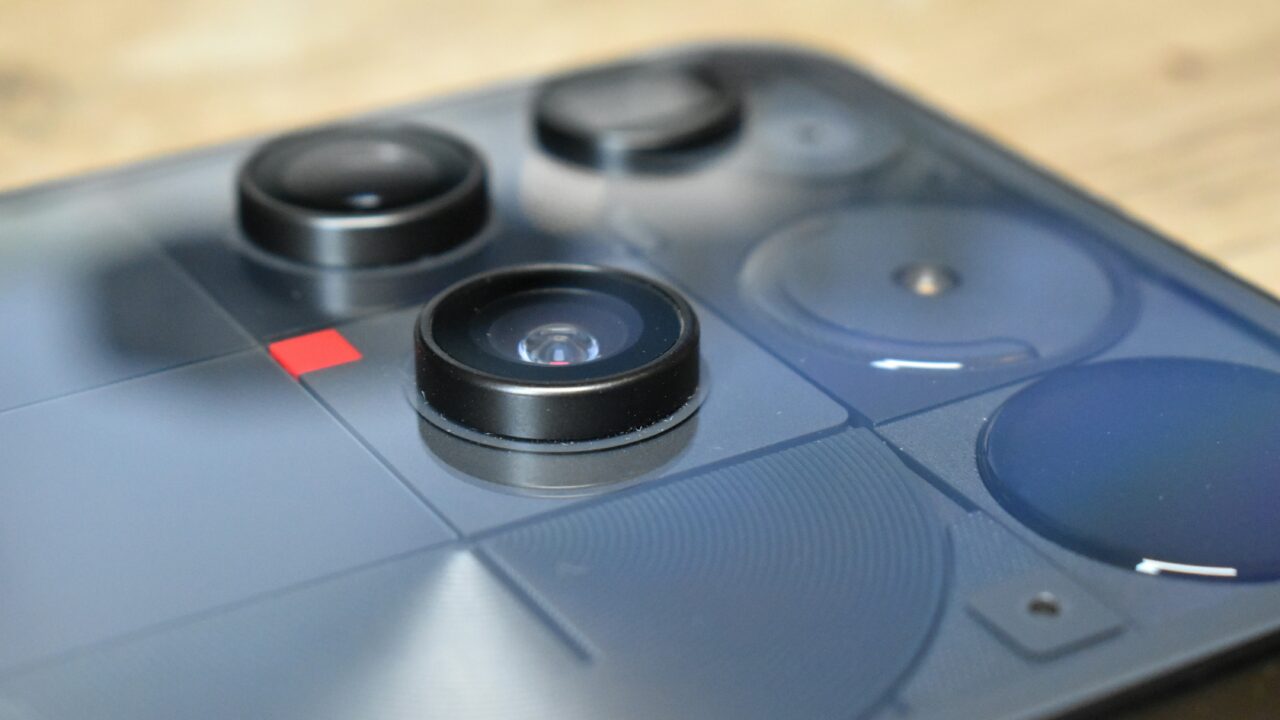
Phone camera quality is genuinely harder to judge from a spec sheet than it looks. More megapixels, extra lenses and AI editing tools all sound impressive, but they do not tell you whether your photos will actually look better. The useful question is simpler: what determines reliable phone camera quality in the moments you actually use it?
The Short Version
Key Takeaways
- Phone camera quality depends on the full system: sensor, lens, processing, stabilisation, display and software.
- Megapixels matter less than many buyers think, especially if the phone normally saves 12MP or 24MP images.
- Low light, moving subjects, zoom and video reveal more about a camera than bright daytime samples.
- The best phone camera for you is the one that handles your normal photos with the least fuss.
Why Megapixels Are Only Part Of The Story
Megapixels measure how many dots a camera can record. They contribute to phone camera quality, but they are not the same thing as image quality overall. A higher megapixel count can give you more room to crop, and it can help in bright conditions. It does not automatically give you cleaner night photos, better colour or sharper pictures of children, pets, food or products.
The reason is that a phone camera is physically small. Its lens and sensor have to fit inside a thin device that also contains a battery, screen, speakers and radio hardware. Tiny pixels can record lots of detail in good light, but they may struggle when light is limited. Many phones deal with this by combining information from multiple pixels and saving a smaller final image.
This is why a 48MP, 50MP or 200MP camera will often produce a 12MP or 24MP photo by default. That is not a trick. It is the phone choosing a practical balance between detail, light and file size.
If you are already comparing phones, it is worth reading our guide to how to choose a smartphone in 2026 alongside this one. Camera quality matters, but it sits next to battery life, software support, storage and the price you are actually paying.
The Sensor, Lens And Processing Work Together
A good phone camera starts with the hardware, and phone camera quality depends heavily on how well these components work together. The sensor collects light. The lens directs that light.
Optical image stabilisation helps reduce blur from shaky hands. A wider aperture can let in more light. A larger sensor can usually produce cleaner images because it has more surface area to work with.
That still leaves the processing. When you tap the shutter button, the phone is not simply saving one raw view of the scene. It may capture several frames, align them, reduce noise, balance exposure, sharpen detail, correct colour and decide how much contrast to add. The image signal processor does much of this before you see the result.
This is why two phones using similar camera hardware can produce very different photos. One may prefer bright, punchy images. Another may aim for natural colour.
One may protect highlights in the sky. Another may lift shadows and make faces brighter. Those choices affect whether the final photo looks like the scene you remember.
For ordinary buyers, the practical test is consistency. Does the phone expose faces properly? Does it keep colour believable indoors?
Does it avoid turning grass, food and skin into strange-looking textures? Those questions matter more than a single headline number.
Low Light Is Where Weak Cameras Show Up
Low light is the most revealing test of phone camera quality, because it strips away the advantages of bright conditions. The camera has less information to work with. A phone can respond by keeping the shutter open for longer, raising sensitivity, combining multiple frames or applying stronger noise reduction.
Each choice has a cost. Longer exposure risks blur. Heavy processing can wipe away fine detail and make faces look waxy.
This is why night modes are useful but not magic. They work best when the subject is fairly still and you can hold the phone steady. They are less reliable with a moving child, a dog in a dim room or someone dancing at a party. The best phone cameras handle those imperfect situations gracefully, not just the impressive skyline photo shown in a review.
When judging sample photos, look beyond brightness. A night photo can be bright and still poor. Check whether signs remain readable, faces have natural colour, bright lamps are blown out, and detail survives in hair, fabric and brickwork. Independent testing organisations such as DXOMark rank phones specifically on low-light performance, and their test methodology explains what each score actually measures.
Low light is also where older budget phones tend to fall behind. If price matters, our guide to whether budget smartphones are worth it explains the broader trade offs. The camera is often one of the places where cheaper phones look fine in daylight but weaker indoors.
Zoom Quality Depends On More Than The Number
Zoom is one of the most misunderstood aspects of phone camera quality. A phone might advertise 10x, 30x or 100x zoom, but the useful question is how much is optical. How much is a crop, and how much is software reconstruction.
An optical telephoto lens gives the camera a different view of the scene. It is better suited to distant subjects than simply cropping from the main camera. Digital zoom can be improved by multi-frame processing and machine learning, but there is still a limit. At some point, the phone is guessing more than recording.
The awkward middle ground matters. Some phones are excellent at the advertised telephoto length but weaker between lenses. Others switch cameras depending on light, so a zoom level that looks good outdoors may become softer indoors.
For everyday use, ask what you normally photograph. Parents may care about school plays. Travellers may care about architecture.
Small business owners may care about product shots from across a room. If you rarely need distant subjects, a strong main camera may matter more than a long zoom lens.
Video Has Its Own Quality Test
Phone camera quality for video is a different challenge from still photography. A phone can excel at one while being genuinely disappointing at the other. Video asks the camera to solve exposure, focus, colour and stabilisation continuously. It also has to deal with sound, heat, storage and battery drain.
Good phone video should stay stable while you walk, keep faces in focus. Avoid pulsing exposure when you move from shade to sunlight, and record usable audio. For most people, clean 4K video with reliable stabilisation is more useful than an 8K mode that fills storage quickly.
If you make clips for a business, social media or family events, test the front camera as well as the rear camera. Check skin tone, microphone quality, background blur and whether the camera keeps focus without constant tapping.
The same practical lens applies to the device around the camera. If you are deciding between a phone, tablet and laptop for content work. Our comparison of tablets vs laptops can help you think about editing, storage and workflow after the photo or video has been captured.
A Worked Example
Phone camera quality on paper and in practice are often two different things. Imagine two phones on a shop page. Phone A has a 200MP main camera, an ultra wide camera and a large zoom claim.
Phone B has a 50MP main camera, a proper telephoto lens, optical image stabilisation and strong reviews for low light and video. The cheaper looking spec is not automatically worse.
If you mostly take daytime landscapes, the high resolution main camera on Phone A might be useful. If you take indoor family photos, evening street shots, product photos and short videos. Phone B may be the better buy because it solves the harder everyday problems.
Now add storage. If Phone A encourages full resolution photos that create large files, you may need more device storage or cloud storage. If Phone B saves smaller processed images that look good without editing, it may be less demanding to live with.
What This Means For You
The most useful question about phone camera quality is whether your current phone handles the situations that matter to you. If you are happy with your photos, do not upgrade just because a new model has more megapixels. Look at the situations where your current camera fails.
Is it too slow? Bad indoors? Poor at zoom?
Weak for video?
When comparing reviews, ignore perfect sample photos taken in bright conditions first. Look for indoor shots, moving subjects, portraits, food, pets, night streets and video clips. Those are the places where the camera system has to work hardest.
Phone camera quality for a small business is mostly about reliability and consistency. Prioritise consistent results. You want product shots, staff photos, social clips and quick updates that look clean without a complicated editing workflow.
In Plain English
A good phone camera is not just a big megapixel number. It is the whole system working well together.
The best cameras handle ordinary difficult moments: low light, movement, zoom. Video, mixed indoor lighting and quick shots where you do not have time to fiddle.
Buy for the photos you actually take, not the biggest number on the box.