Fund managers underperform too: what private investors should learn from that
Fund managers underperform more often than many investors expect. This Street Smart guide explains what costs, benchmarks and SPIVA evidence show.
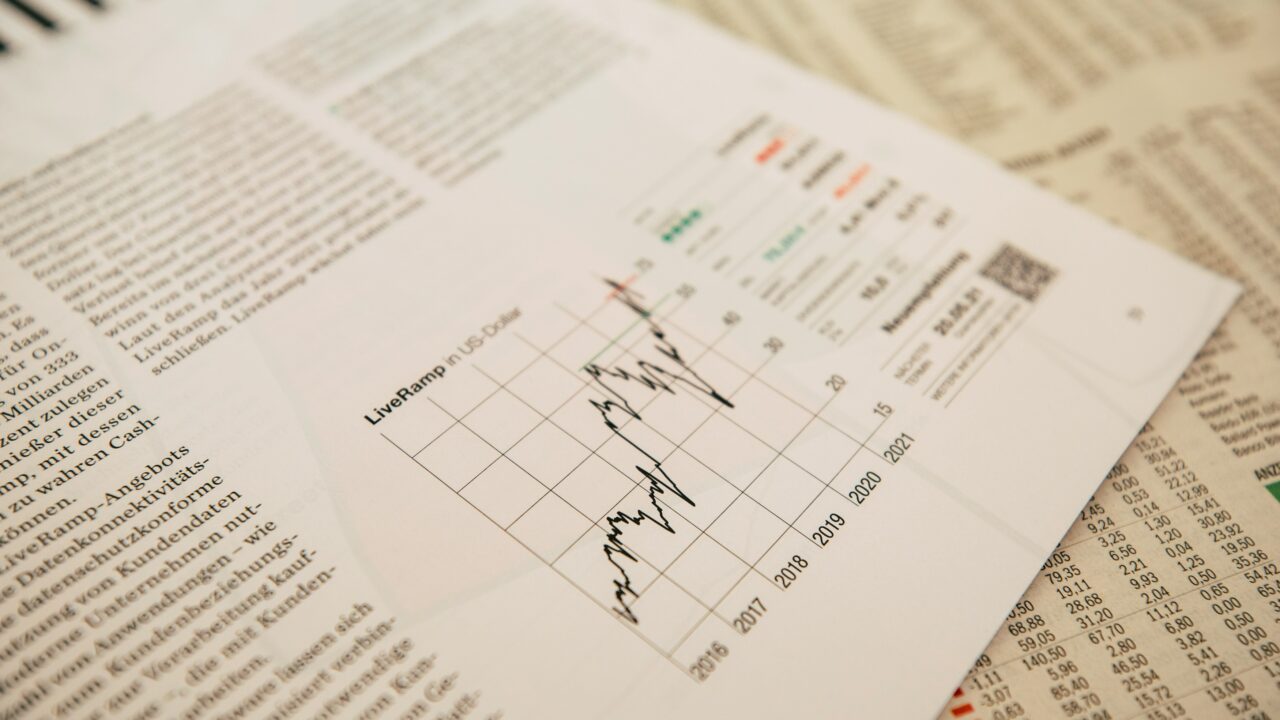
Professional fund managers have more tools, more data and more time than most private investors, yet that does not guarantee they beat the market. The interesting lesson is not that professionals are useless. It is that costs, benchmarks, constraints and human behaviour make outperformance harder than many people assume.
In this article
The Short Version
Key Takeaways
- Professional fund managers are competing against tough benchmarks, fees, trading costs and the pressure to stay close enough to peers and clients’ expectations.
- Underperformance does not mean every active manager is poor. It means beating the market after costs is harder and rarer than marketing often suggests.
- S&P’s SPIVA Europe Year-End 2024 scorecard says a significant majority of active funds in many categories underperformed their benchmarks over longer periods.
- The useful lesson for private investors is humility: higher status and more information do not remove the difficulty of investing.
What The Book Is Actually Warning About
The Street Smart lesson here is not that fund managers never add value. It is that private investors often give too much weight to professional packaging. A polished factsheet, a famous name or a confident media appearance can create the impression that expertise naturally turns into excess returns.
Markets are less forgiving than that. A manager can be intelligent, diligent and well resourced and still lag the benchmark after fees. That does not make the person fraudulent or incompetent. It simply shows how difficult the job is when everyone is competing over largely the same public information.
For private investors, this is useful because it lowers the emotional pressure to find a hero. If professionals struggle to outperform consistently, then ordinary investors should be suspicious of any story that makes investing sound easy.
Why Professional Does Not Mean Outperform
Part of the answer is arithmetic. A benchmark does not charge an annual management fee. A real fund does. If two portfolios look broadly similar before costs, the one with higher fees starts behind.
Another part is behaviour. Many active managers are constrained by mandate, risk limits, liquidity, compliance and client tolerance for short-term deviation. A manager may see an opportunity and still be unable or unwilling to act on it in a way that would look reckless to clients if the trade goes wrong for a year or two.
There is also a career-risk problem. Hugging the benchmark can be safer for a manager’s career than taking bold positions that might outperform brilliantly or fail publicly. That can pull supposedly active portfolios closer to the index than many investors realise.
Costs And Constraints Matter
MoneyHelper’s investing guidance makes a simple point that fits perfectly here: fees and charges can reduce your investment earnings, especially over time. With funds, those costs may include annual management charges and other running expenses, often shown through figures such as the Ongoing Charges Figure. Source: MoneyHelper on types of investments.
Costs are only one part of the story, but they are the part investors can often see most clearly. If a fund needs to beat the market before costs just to match the market after costs, the hurdle is already high.
Scale can also work against active managers. A large fund may struggle to move quickly in smaller or less liquid shares. The very size that reassures clients can make genuine nimbleness harder.
What Current Scorecards Show
The latest broad evidence still points in the same direction. S&P Dow Jones Indices says in its SPIVA Europe Year-End 2024 scorecard that a significant majority of actively managed funds in many reported categories underperformed their assigned benchmarks over longer periods. That does not mean every category is identical or every period looks the same, but it does reinforce the central point: outperformance is scarce. Source: SPIVA Europe Year-End 2024.
The right reading of this evidence is careful. It does not prove active management is pointless. It does show that marketing claims about stock-picking skill deserve a tougher standard of proof than many investors apply.
It is also worth remembering what a benchmark is doing in the comparison. The benchmark is not trying to be clever. It is simply the market reference point the manager chose or accepted as the standard they should beat. Missing that line repeatedly matters.
A Worked Example
Imagine two investors each put 10,000 pounds into broad UK equity exposure. One chooses a low-cost tracker. The other chooses an active fund that charges materially more each year because the manager aims to beat the market.
If the active manager makes several decent decisions but still ends the year only slightly ahead of the benchmark before costs, the extra fee can erase the apparent skill. After charges, the active fund may trail the cheaper tracker even though the manager did not make a dramatic mistake.
That is the part many beginners miss. Underperformance does not always come from wild failure. Sometimes it comes from being a little right, but not right enough to clear the cost hurdle.
Where Private Investors Go Wrong
The first mistake is assuming professional status guarantees edge. The second is jumping from that mistake to the opposite extreme and assuming all professionals are useless. Both are lazy shortcuts.
A better question is what role the fund is supposed to play. Is it giving broad market exposure with a cost profile you understand? Is it concentrated and genuinely different from the benchmark? Does the fund’s stated process line up with the holdings, turnover and fee level?
Private investors also need to avoid using this topic as a licence for ego. The fact that many professionals underperform does not mean amateur investors will find outperformance easy. If anything, it should increase respect for how hard the game is.
What This Means For You
The plain lesson is humility. If well-resourced professionals often fail to beat their benchmarks after costs, then private investors should think carefully before paying extra just for a promise of superior judgement.
That does not force one answer. Some people will still prefer active funds, some will prefer passive funds and some will blend both. The useful shift is in how you ask the question. You are not buying prestige. You are assessing whether the fee, evidence and role in your portfolio make sense together.
It also means looking at your own expectations. If your plan depends on finding a manager who will reliably deliver market-beating results year after year, your plan may be leaning too hard on a difficult outcome.
In Plain English
Fund managers underperform too because markets are hard, costs are real and professional expertise does not erase those facts. For private investors, the practical takeaway is not to worship or dismiss professionals. It is to judge fees, evidence and realism more carefully.
Related Reads
- Ambiguous City phrases: what vague market language can hide
- Information, cost and position size: the first three rules every private investor needs to understand
- Two questions to ask before you trade on any piece of market news
- Annual Reports: What To Look For As An Investor
This post is adapted from The Street Smart Trader. Used with permission.
Disclaimer: The value of investments can go down as well as up, and you may get back less than you invest. This article is for informational and educational purposes only and does not constitute financial advice. Always do your own research and consider seeking independent advice before making any investment decision.