Electric vehicles: where we actually are
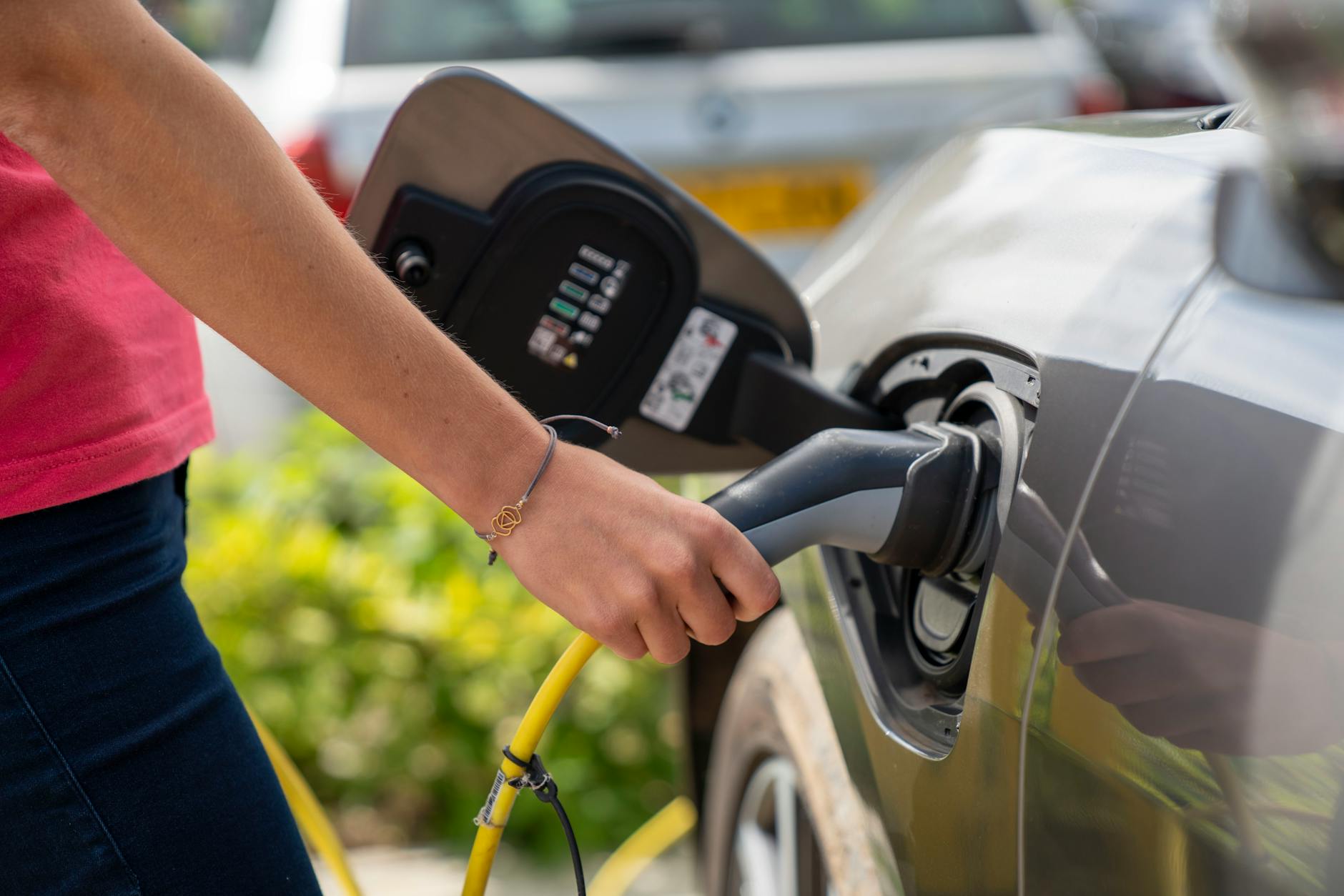
Electric vehicles are no longer a future bet. They are normal cars for many UK drivers, but they still work best for people with the right charging setup.
The Short Version
Electric vehicles now suit many daily UK drivers, especially those who can charge at home.
The public charging network is much better than it was, but it is still uneven.
Used prices have made EVs far more affordable than the early market suggested.
The best choice depends on your parking, mileage, budget, and patience for public charging.
Where electric vehicles stand now
Electric vehicles have moved out of the early adopter phase. They are no longer just expensive cars for people who enjoy new gadgets. In the UK, they are now a serious option for ordinary drivers.
The market is still uneven. New electric cars can be costly, but used prices have fallen. Some drivers save a lot on fuel and servicing. Others lose that saving because they rely on expensive public charging.
The fair answer is not that EVs are perfect or that they are a failure. The fair answer is that they work very well for some households and less well for others. That is more useful than the argument around them.
Why home charging changes everything
The biggest dividing line is not brand, battery size, or top speed. It is whether you can charge at home. A driveway, garage, or private parking space can change the whole cost of ownership.
Home charging lets you fill the car while you sleep. It also lets you use cheaper overnight tariffs. For a driver doing short daily trips, that can make an EV cheaper and easier than a petrol car.
If you cannot charge at home, the sums are tighter. Public rapid charging often costs much more per unit of energy. It can still work, but it needs planning and may not save money.
What has improved in public charging
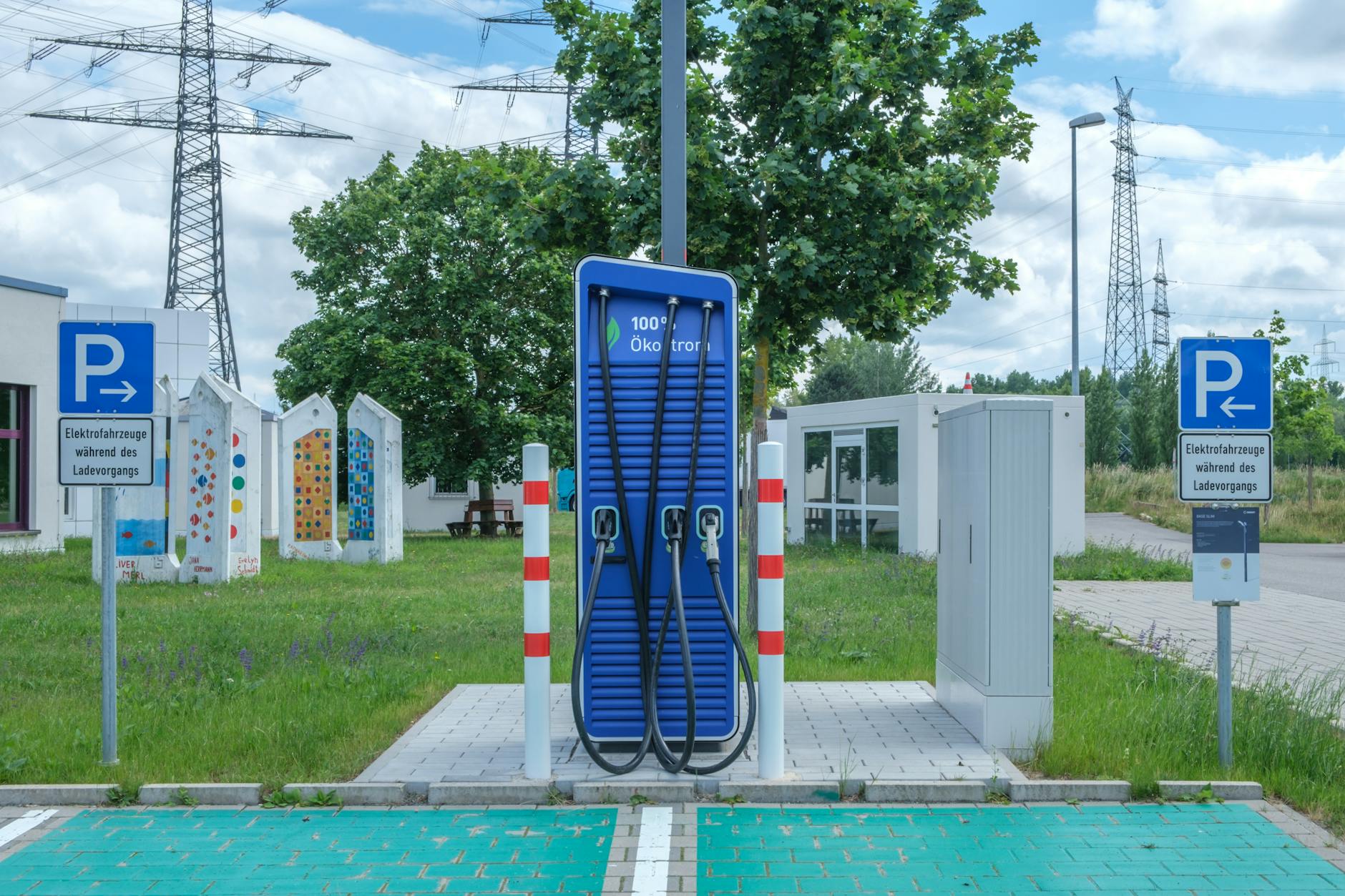
The UK public charging network has improved sharply. Zapmap said in May 2026 that the UK had passed 120,000 electric charge points. That does not mean every journey is easy, but it shows the direction of travel.
The rules have also improved. UK public charge point regulations now require clearer pricing and contactless payment for many public chargers. The official GOV.UK guidance explains the consumer rules for operators.
This matters because charging used to feel like a mess of apps, cards, broken screens, and unclear prices. It can still be annoying. But the worst parts of the early network are being pushed out.
What still holds electric vehicles back
The biggest problem is not range in normal use. Most modern EVs can handle daily driving with room to spare. The harder case is a long trip, in bad weather, when chargers are busy.
Winter range is lower because batteries and cabins need heat. Motorway driving also uses energy quickly. A range figure from a brochure is a lab result, not a promise for a wet January drive.
Insurance can also be higher. Repairs may cost more when specialist parts are involved. Some older flats and terraces still lack easy charging options. Those are real barriers, not small complaints.
How the cost picture has changed
The first wave of EVs made the market look richer than it was. Many early models were premium cars. That shaped the public view, even though the used market now tells a different story.
Three-year-old electric cars are now common on the used market. Some have lost value quickly, which hurt first owners. For second owners, it can make a used EV much more attractive.
The real comparison is total cost, not sticker price alone. Add finance, fuel or electricity, servicing, insurance, tax, and likely resale value. For home chargers, EVs often look strong. For public-only charging, the answer can change.
What the policy push means
The UK is still pushing car makers toward zero-emission sales. The zero emission vehicle mandate sets rising targets for manufacturers. The government has kept the broad direction, even while changing some details.
Policy matters because car firms plan years ahead. If the rules are steady, more models arrive and prices fall. If the rules keep shifting, buyers and manufacturers hesitate.
For drivers, the policy question is simpler. You do not need to buy a car because a target exists. You need to know whether the car fits your life now, and whether the charging setup is practical.
How batteries fit into the decision
Battery fear is common, but it is often out of date. Modern EV batteries usually lose capacity slowly. Most new cars also come with long battery warranties.
The better question is not whether the battery will fail tomorrow. It is how much range you need after five or eight years. A car that starts with spare range gives you more room as it ages.
Charging habits also matter. Fast charging is useful on a trip, but daily rapid charging is not ideal. Slow home charging is easier on the car and usually easier on your wallet.
There is also a second-hand point. A used EV needs the same checks as any used car, plus a battery health check if one is available. Look at tyre wear, charging history, warranty cover, and whether the cable and charging port match your routine.
None of this makes the choice hard. It just makes it practical. The right EV is the one that fits your real week, not the one with the longest range on paper.
A Worked Example
Take a driver who does 30 miles a day and has a driveway. They plug in twice a week overnight. They rarely use rapid chargers. For that person, an EV can feel easier than a petrol car.
Now take a driver who parks on the street and drives 250 miles on work trips. They rely on motorway chargers and public prices. The same EV may still work, but the saving and ease are much weaker.
That is why one neighbour can love an EV while another finds it stressful. They are not really arguing about the car. They are describing different charging lives.
What This Means For You
Start with your parking. If you can charge at home, put an EV on your shortlist. If you cannot, check the real chargers near your home, work, and regular routes before you test drive anything.
Then check your worst month, not your best one. Think about winter, holidays, family trips, and days when you are tired. A car that works only on a good day is not the right car.
EVs also sit inside the wider shift in personal technology. The same practical test applies to home EV charging, public EV charging, and other tools that promise convenience.
In Plain English
An electric vehicle is a very good car when the charging fits your life. It is less convincing when charging becomes a weekly chore. That is the whole argument in plain English.
The market is past the hype stage, but not past the awkward stage. Prices, chargers, batteries, and rules are improving. The right answer is personal, not ideological.