Bid and offer: what the spread actually costs you and why it matters more on smaller stocks
The bid-offer spread is a hidden cost most investors never check. Here is what it is, why it hits small-cap buyers hardest, and how to spot it.
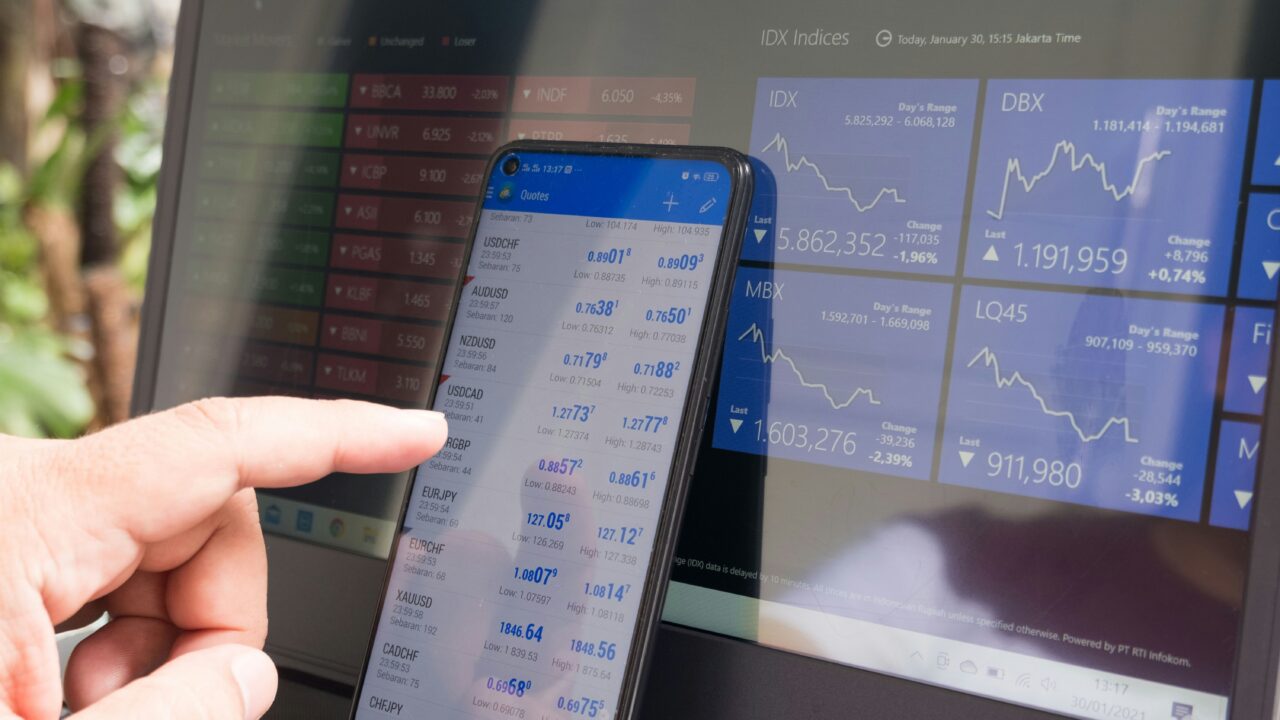
Every time you buy a share, you start the transaction at a small loss. Most beginners never notice it.
It does not show up on an annual statement or in any fee schedule. But it is there every time you trade. On some stocks it is large enough to wipe out months of gains before the share has moved at all. The culprit is the bid offer spread, and understanding it will change how you look at every stock you consider buying.
What the bid-offer spread actually is
When you look up a share on Hargreaves Lansdown, Trading 212 or interactive investor, you often see two prices rather than one. The higher price is the offer: what you pay when you buy. The lower price is the bid: what you receive when you sell.
The gap between the two is the spread. It is the first hurdle your investment has to clear before it breaks even. Unlike dealing fees, it is never itemised anywhere on your contract note or account statement.
The spread is collected by the market maker, the firm that stands ready to buy and sell shares throughout the trading day. Market makers quote both a buy price and a sell price, keeping the two slightly apart so they earn a margin on every transaction. They provide the liquidity that makes it possible to trade shares quickly. It is effectively the market maker’s fee for doing so.
Why the bid-offer spread hits small-cap investors hardest
On a large, heavily traded company, the bid-offer spread is tiny. Take Lloyds Banking Group, one of the most actively traded stocks on the London Stock Exchange. With millions of shares changing hands daily, a market maker can set a very narrow spread and still earn a decent living.
In practice, the spread on Lloyds amounts to a fraction of a penny on a share price around 60p. That represents well under 0.1% of the purchase price, and at that level it barely registers against your dealing commission.
The picture looks very different on a smaller company quoted on AIM, the London Stock Exchange’s market for growth businesses. These shares may trade only a handful of times each day, sometimes far less. The market maker, facing much lower transaction volumes, needs a wider bid-offer spread to earn an equivalent margin.
On a thinly traded AIM stock, spreads of 10% to 20% are not unusual. That means if you buy at 100p, the bid price at which you could immediately sell back might be just 80p or 85p. The share has to rise by that much before you are even close to breaking even.
Suppose you invest £5,000 in a small AIM company with a 15% spread. Before the price has moved by a single penny, you could only sell your holding for around £4,250. You have effectively paid £750 simply to own the shares.
For the investment to justify itself, the company needs to outperform a comparable FTSE 250 stock with a spread below 0.5% by a considerable margin. The maths of the bid offer spread work against you from the moment you click buy.
The 5% rule and why spreads widen when you least want them to
A useful rule of thumb: treat any bid-offer spread above 5% as a warning sign. Many experienced UK investors set their personal limit below 3%. The logic is clear. A wide spread tells you something meaningful about how liquid the market for that stock is.
Low liquidity means it can be difficult to exit in a hurry. The spread cost is paid on both sides of the trade. On a round trip through an illiquid stock, that drag can overwhelm the performance of even a decent investment.
There is one more thing worth knowing: spreads are not fixed. They can widen significantly during volatile periods. When a company releases unexpected news or broader markets fall sharply, market makers often widen their spreads. This protects them against the risk of a fast-moving price.
The moment you most want to sell can be exactly the moment the bid-offer spread is at its widest. When anxiety rises and prices are falling, the spread on an illiquid stock widens further. Our guide on stop losses and when to use them explains how planning your exit in advance avoids the most costly versions of this mistake.
How to check the bid offer spread before you buy
Most UK trading platforms display both the bid and offer prices if you look past the single headline figure. On Hargreaves Lansdown, the dealing screen shows both before you commit to anything. On Trading 212, the detailed quote view gives you the full picture.
If your platform only shows one price, check the full bid-offer pair on the London Stock Exchange live market data page or on Morningstar. This takes thirty seconds and is worth doing every time you are considering a new position.
None of this means you should avoid AIM or smaller companies as a category. That market has produced some of the strongest-performing UK shares of the past two decades. But going in with clear eyes about the bid-offer spread is part of making a proper assessment.
Before you buy any share, check the spread. Work out how far the price needs to rise before you are in profit, inclusive of that spread cost. If that number feels uncomfortable given what you know about the company, the stock may be worth watching. But the moment may not be right to act.
Our guide on taking profits and deciding when to sell covers how to think about entries and exits together. Getting both sides of the trade right is where the bid-offer spread becomes part of a wider decision, not just a one-off cost to absorb.
At a glance
- The bid-offer spread is the gap between the price you pay to buy a share and the price you would receive if you sold it immediately.
- On large, liquid FTSE 100 stocks such as Lloyds, the spread is typically well below 0.5% and barely noticeable against dealing fees.
- On small, thinly traded AIM stocks, spreads of 10% to 20% are common, meaning the share must rise significantly before you break even.
- A spread above 5% is widely treated as a warning sign; many experienced UK investors set their own limit below that.
- Spreads widen further during volatile periods, making illiquid stocks especially costly to exit in a hurry.
- Always check both the bid and offer price before you buy, not just the single headline figure on your platform.
Disclaimer: The value of investments can go down as well as up, and you may get back less than you invest. This article is for informational and educational purposes only and does not constitute financial advice. Always do your own research and consider seeking independent advice before making any investment decision.
Nothing in this article is financial advice. Tax rules change frequently. Check the current ISA allowance, CGT exemption and relevant rules on HMRC’s website or consult a qualified financial adviser for your specific situation.
Money & Markets covers personal finance and investing for people who want to understand the world they live in. It is updated as rules and markets change.