20 May 2026: Google Unleashes Gemini 3.5 and Rewrites Search at I/O (AM)
Google I/O 2026 launches Gemini 3.5 Flash and Gemini Omni. OpenAI adds AI image detection. Mistral acquires Austrian engineering AI startup.
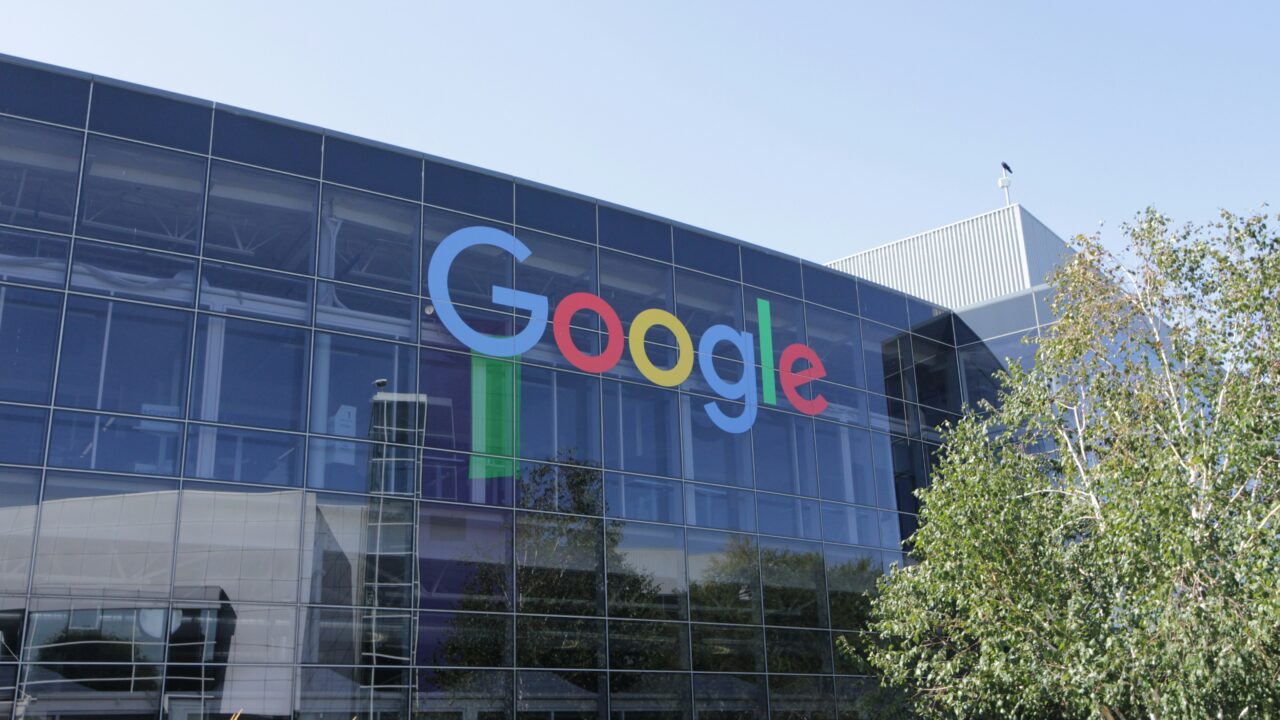
Google used its annual I/O developer conference to announce its biggest AI push in years, launching Gemini 3.5 Flash and a new multimodal video model called Gemini Omni while fundamentally redesigning how Search works. Elsewhere, OpenAI added AI image verification, European AI startup Mistral acquired a Viennese engineering specialist, and Apple unveiled accessibility features that embed AI Intelligence directly into its operating system.
Google launched Gemini 3.5 Flash at I/O 2026, its fastest frontier-class model to date, alongside Gemini Omni, a new architecture that processes and generates text, images, audio and video simultaneously. Gemini 3.5 Flash scored 90.4% on GPQA Diamond, a benchmark used to test PhD-level scientific reasoning, while matching the performance of larger models at significantly lower cost. The model is already live in the Gemini app and powers AI features across Google Search and Workspace, with developer access arriving through Google AI Studio and the Gemini API.
Gemini Omni is the bolder announcement. Google demonstrated it generating short video clips from text prompts, animating still images and responding to spoken questions with real-time video output, with visual, audio and text inputs processed together rather than in separate steps. Unlike rival video tools, Google is integrating Gemini Omni directly into Search, Android and YouTube rather than offering it as a standalone product. AI Mode in Search is expanding too: users can upload screenshots, PDFs and videos into queries, continue conversations with follow-ups, and use autonomous agents to monitor prices and organise emails. For a grounding in how these models are trained, our guide to machine learning in plain English covers the essentials.
OpenAI has joined the C2PA open standard and integrated Google’s SynthID watermarking into its products, giving consumers two technical methods to verify whether an image was generated by AI. C2PA attaches tamper-resistant metadata to images recording how they were created, readable by any compatible checker including the free tool at contentcredentials.org. SynthID embeds an invisible signal directly into image pixels detectable by AI tools but not by the human eye. By adopting both systems, OpenAI is layering two independent verification mechanisms onto images from its products, which matters for UK journalists, media platforms and employers where AI-generated imagery might be presented as a photograph.
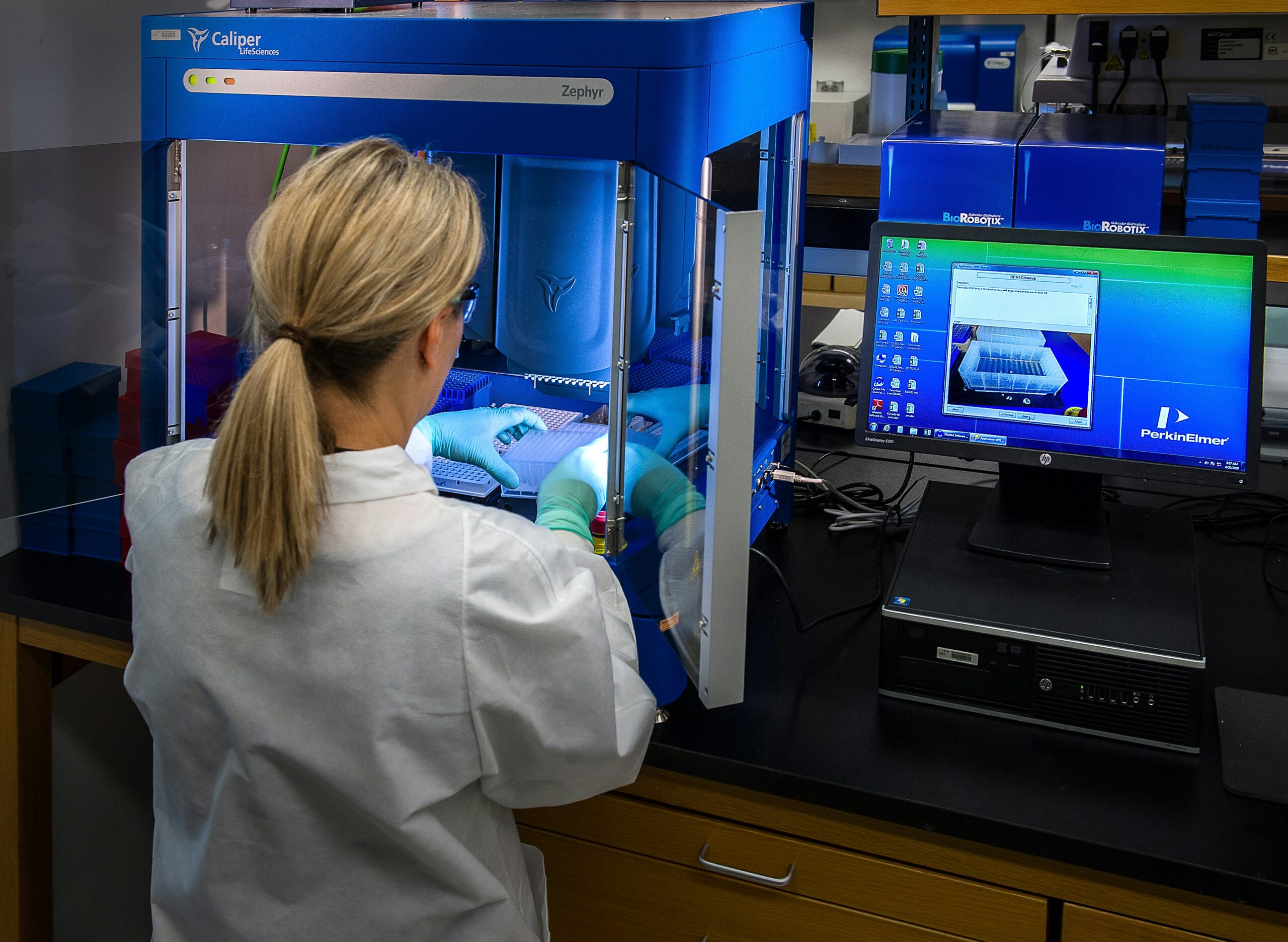
French AI company Mistral has acquired Emmi AI, a Viennese startup that builds simulation models for industrial engineering, marking Mistral’s second acquisition in three months and its deepest push yet into applied scientific AI. Emmi specialises in models that simulate complex physical processes including airflow, heat transfer and material stress. Founded in 2024 and holder of Austria’s largest-ever seed round, Emmi’s 30-plus researchers will join Mistral’s science and applied AI teams, with Linz becoming an official Mistral office alongside Paris, London, Munich, San Francisco and Singapore. The deal is one of the clearest signs yet that European frontier AI companies are consolidating capability through acquisition rather than building everything in-house.
Apple has announced Apple Intelligence-powered accessibility features for iPhone, iPad, Mac and Vision Pro, bringing AI into assistive tools used by people with visual, hearing and mobility disabilities, timed to coincide with Global Accessibility Awareness Day. The headline addition is Image Explorer within VoiceOver, Apple’s screen reader, which uses Apple Intelligence to generate detailed descriptions of photographs, screenshots and on-screen content, interpreting context and text embedded within images, with natural language follow-up questions supported. Magnifier is being upgraded into a real-time AI assistant that answers spoken questions about physical objects in a user’s environment, and is expanding to Mac for the first time. For Vision Pro users, Apple is adding eye-tracking controls for compatible powered wheelchairs, letting individuals steer using only gaze movements. The scale of the updates signals Apple Intelligence is being woven into core OS features rather than sitting as an optional AI layer.
Google DeepMind’s Project Genie has been updated to integrate Street View imagery, enabling the world-simulation model to generate navigable simulations of real-world streets that respond to changes in weather, time of day and viewpoint. Rather than producing static images, Genie creates environments that respond to actions taken within them. Adding Street View grounds those environments in real physical locations. Practical applications include robotics training using real urban scenarios, game development and travel tools where users explore a destination before booking. API access to Genie is planned for later this year. Our piece on what AI agents can actually do today explores how systems like this translate into practical tools.
Worth Watching
Best for: Fast multimodal AI answers at Pro-class speed
Gemini 3.5 Flash is live in the free app now, with PhD-level reasoning and image understanding on demand.
Best for: Checking whether an image was made by AI
Upload any image or paste a URL to read its content provenance metadata and detect AI generation signals.
Best for: Conversational search beyond traditional results
Upload files, ask complex questions and follow up conversationally in Google Search via Gemini 3.5 Flash.
Here is everything else worth knowing from this morning’s AI news.
- Meta shifts 7,000 workers into AI units and cuts 8,000 jobs: Meta is reassigning employees to three new AI-focused groups while cutting approximately 8,000 roles, with changes taking effect today in the US. [19 May]
- Musk loses OpenAI lawsuit: A US jury dismissed Elon Musk’s lawsuit against OpenAI and Microsoft after finding it was filed too late, ending a trial that exposed significant contradictions in his founding claims. [19 May]
- Google and Samsung confirm Gemini smart glasses for autumn: Google revealed Gemini-powered smart glasses built with Samsung at I/O, targeting a fall launch and competing with Meta’s Ray-Ban glasses. [20 May]
- Voice search arrives in Gmail: Users can now ask Gemini to find emails and surface thread details using conversational voice queries in the Gmail app. [19 May]
- Google launches a $100 per month AI Ultra subscription: A new AI Ultra tier gives subscribers priority access to Gemini 3.5 Pro when it launches next month, priced at approximately £79 per month. [19 May]
- OlmoEarth v1.1 released: Allen AI released an open-source family of models trained on Earth observation data, offering a more efficient approach to satellite imagery analysis tasks. [19 May]
- Tenstorrent draws Intel and Qualcomm acquisition interest: AI chip designer Tenstorrent has attracted takeover interest from both Intel and Qualcomm, potentially valued at more than $5 billion. [18 May]
- Ocean AI raises $28M for email security: Ocean raised $28 million to build an AI that analyses the full context of every email for fraud and impersonation, going beyond keyword pattern-matching. [19 May]
Gemini 3.5 Pro is promised for June, API access to Genie for later this year, and Samsung smart glasses are targeting autumn. The question is whether OpenAI and Anthropic respond directly to Gemini Omni’s video capabilities, and whether the ICO’s expected review of AI in search addresses the conversational AI Mode now reaching UK users.
This is a daily news update for informational purposes only. AI products and policies change rapidly. Verify details directly with providers before making decisions. Nothing here is financial or legal advice.
AI Daily is Cristoniq’s daily guide to developments in artificial intelligence, published every morning.