16 May 2026 PM: Musk v Altman Jury Begins as Codex Lands on Your Phone
OpenAI's fate moves to a jury Monday, Anthropic meters its Agent SDK, Cisco cuts 4,000 jobs, and xAI faces a Mississippi turbine lawsuit.

OpenAI’s fate moves to a jury on Monday, Anthropic puts a meter on its agent platform, and Cisco trades four thousand jobs for record revenue. Here is what shifted in AI this Saturday afternoon.
Closing arguments in the Musk versus Altman trial wrapped on Thursday, and the nine-person jury starts deliberating on Monday. After three weeks of testimony in Oakland, jurors will weigh four narrow questions. The most consequential is whether OpenAI breached a charitable trust by using Elon Musk’s early donations to build a for-profit business. They will also decide whether OpenAI’s leadership unjustly enriched themselves, whether Microsoft aided that breach, and whether Musk’s own conduct should bar him from recovering anything.
The jury verdict is advisory. Judge Yvonne Gonzalez Rogers makes the final ruling on liability, and a separate remedies phase begins on Monday in parallel. That is the phase that matters for AI policy. It will examine whether OpenAI’s for-profit structure has to be unwound, what damages might be owed, and whether Sam Altman and Greg Brockman face personal liability. The remedies arguments are expected to run for several weeks. A finding against OpenAI would not directly affect ChatGPT users, but it would reshape how AI labs are allowed to convert charitable structures into commercial ones in future. For more on the high-stakes nature of giving AI systems agency, see our note on what can go wrong when AI agents act on your behalf.
OpenAI rolled out Codex inside the ChatGPT mobile app on Thursday. The coding tool, launched as a standalone desktop app in February, can now run inside the phone app on iOS and Android in preview, on every subscription tier including the free plan. Users can monitor live Codex sessions across devices, review outputs, approve commands, switch models, and dispatch new tasks. Remote control for Windows is coming next.
That is a meaningful shift for developers and small technical teams who run long automated jobs. Codex tasks that previously had to be tied to a desktop session can now be paused, redirected, or audited from a phone while a user is away from their workstation. Anthropic shipped a comparable Remote Control feature for Claude Code back in February, so the two leading agentic coding tools now both work the same way: start the run on a laptop, then supervise it on the move. The practical effect is that the gap between starting a coding agent and checking on it has shrunk to seconds, which makes longer-running agent tasks more attractive to trust in the first place.
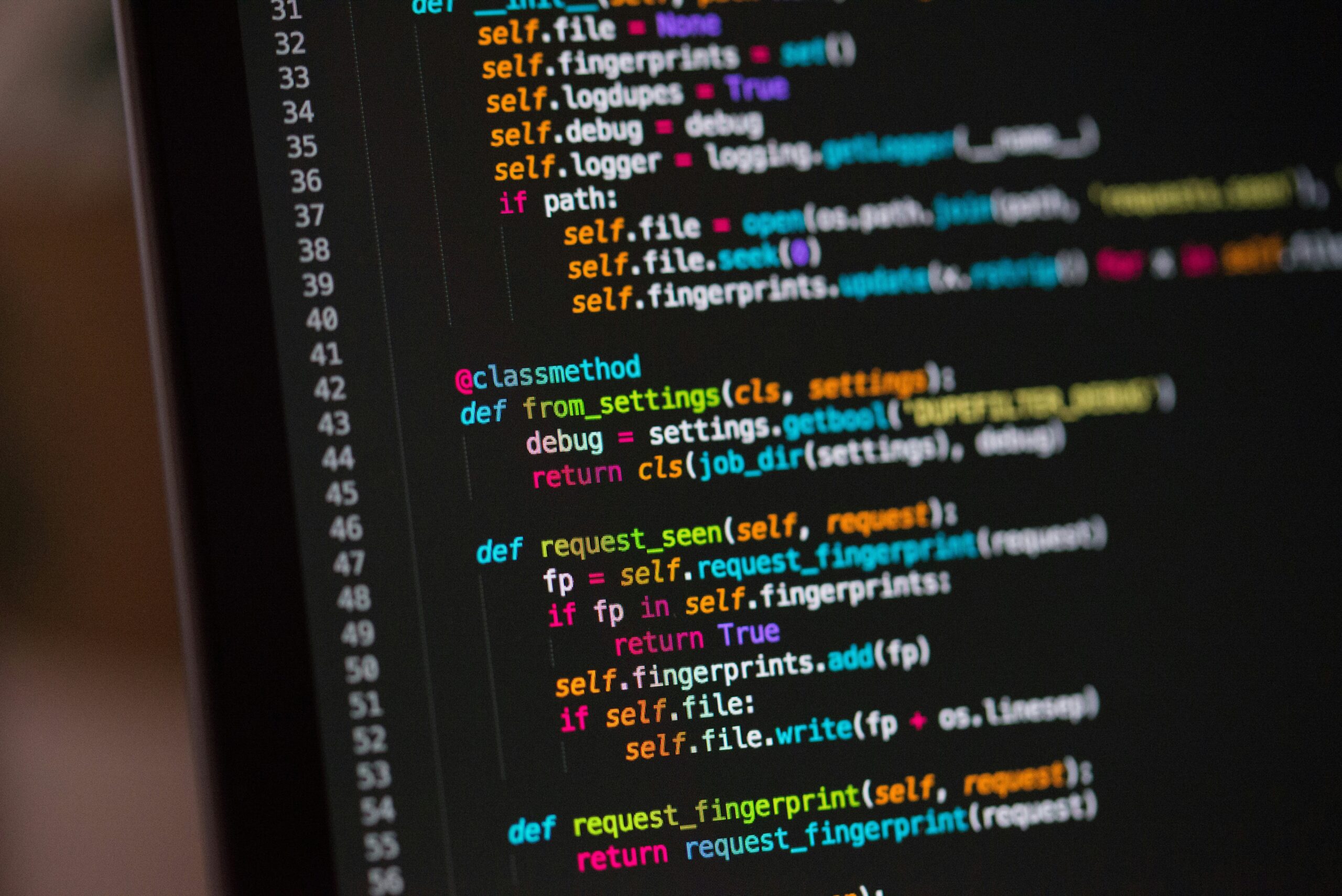
Anthropic is moving third-party Claude agents to a metered billing pool on 15 June. From that date, programmatic Claude usage through the Agent SDK, GitHub Actions, and third-party frameworks like OpenClaw will sit in a separate credit bucket, billed at API rates rather than counted against chat subscription limits. Pro subscribers will get twenty dollars in monthly agent credits, Max 5x users one hundred dollars, and Max 20x users two hundred dollars. Once a tier’s credits are spent, agent usage moves to standard API billing.
For indie developers, contract engineers, and small teams who have been running long-cycle agent jobs on a twenty-dollar Pro plan, this is the end of an arbitrage that Anthropic was always going to close. The new structure makes costs predictable rather than capped, which is better for Anthropic’s compute economics and better for users who want to scale beyond a single laptop’s worth of work. The change also formally lifts the April ban on third-party agent frameworks. OpenClaw and similar tools are explicitly allowed again, on the condition that you now pay for what they consume. Our piece on what AI data centres are and why they matter explains why every lab is rethinking how it bills compute right now.
Cisco eliminated about four thousand jobs on Thursday on the same day it posted record quarterly revenue of $15.8 billion. The cuts represent roughly five percent of its global workforce of eighty-six thousand. Chief financial officer Mark Patterson told analysts the move is “not savings-driven”, framing it as a reallocation of headcount towards silicon, optics, security, and AI networking products. The restructuring will cost up to one billion dollars in severance and related expenses.
The signal here is bigger than one company’s quarter. Cisco is the largest enterprise networking provider in the world, and it is choosing to thin out legacy roles even while growth is in double digits. That is the same pattern Microsoft, Salesforce, and Meta have followed over the last eighteen months, but it is starker at Cisco because the underlying business is healthy. UK staff are reported to be in scope, though Cisco has not confirmed a country breakdown. For SMB IT teams that buy from Cisco, the practical takeaway is that the product roadmap will tilt harder towards AI-ready networking gear, away from older switching lines. Procurement decisions made this year should assume that direction of travel.
The NAACP asked a federal court on Wednesday for an emergency injunction against xAI’s gas turbines in Mississippi. Elon Musk’s AI firm is running close to fifty natural gas turbines at its Southaven Colossus 2 site to power Grok training. Mississippi treats the turbines as mobile because they sit on flatbed trailers, which lets them avoid stationary-source pollution rules for up to a year. The Southern Environmental Law Center argues federal law treats them as stationary regardless.
xAI has permits for fifteen turbines. The state regulator approved another forty-one in late April. Memphis and the surrounding counties already fail national smog standards and have been rated F for ozone pollution by the American Lung Association. The case is the most concrete test yet of whether AI compute build-outs sit inside existing environmental law when they are placed at the edge of regulated industries. The outcome will set a precedent that data centre operators in the United States, the UK, and continental Europe will watch closely as planning queues for new AI sites grow.
Worth Watching
Best for: Monitoring coding agents from your phone
Live Codex sessions can now be supervised, paused, and redirected from iOS and Android, on every plan.
Best for: Building agents with metered Anthropic credits
Programmatic Claude usage moves to a separate, API-priced credit pool from 15 June.
Best for: Natural-language queries in the Amazon search bar
Amazon has wired Alexa+ into search so shoppers can ask comparison questions in plain English.
Here is everything else worth knowing from today’s AI news.
- Khosla backs Synthetic with $10m. The venture firm is funding Ian Crosby’s new AI accounting startup, three years after his previous company Bench collapsed mid-tax season. Source
- Anthropic overtakes OpenAI in business customers. Spend data from Ramp now shows Anthropic ahead of OpenAI among corporate buyers for the first time, driven by Claude for Small Business and enterprise expansion. Source
- Google and SpaceX explore orbital data centres. The two companies are in early talks to launch satellite-mounted compute for AI workloads as part of Google’s Project Suncatcher. Source
- SpaceXAI loses staff after merger. The combined Musk venture has shed employees since the February tie-up, with several senior engineers and product leads departing in recent weeks. Source
- Wirestock raises $23m. The platform that licenses creative multimodal data to AI labs has closed a new round backed by interest in higher-quality video and image training sets. Source
- Adaption launches AutoScientist. The company unveiled a system that lets AI models design and run their own training experiments, an early step towards self-improving model pipelines. Source
- Poppy debuts as a proactive AI assistant. A new app aims to organise files, calendars, and inboxes for individuals without waiting for users to issue commands. Source
- Google I/O opens Tuesday. The annual developer conference begins on 19 May at 6pm UK time, with Gemini 3 Deep Think pricing and Android Gemini Intelligence expected as headline items. Source
What to watch next. Google I/O opens on Tuesday at six in the evening UK time, the first major keynote of the year, and the Musk versus Altman jury is expected to return in the same week. The combined news flow over those four days will set the AI agenda for the rest of May, particularly on Gemini 3 Deep Think pricing and whether OpenAI’s for-profit structure survives intact. Keep an eye on Gemini’s UK rollout pace, which has lagged the United States since the Pixel launch in March.
This is a daily news update for informational purposes only. AI products and policies change rapidly. Verify details directly with providers before making decisions. Nothing here is financial or legal advice.
AI Daily is Cristoniq’s afternoon update on developments in artificial intelligence, published every weekday afternoon.