15 May 2026: Codex Goes Mobile as Cerebras Lights Up Wall Street (AM)
OpenAI puts Codex on the ChatGPT phone app and Cerebras stages 2026's first big AI hardware IPO, signalling AI's practical layer is forming.
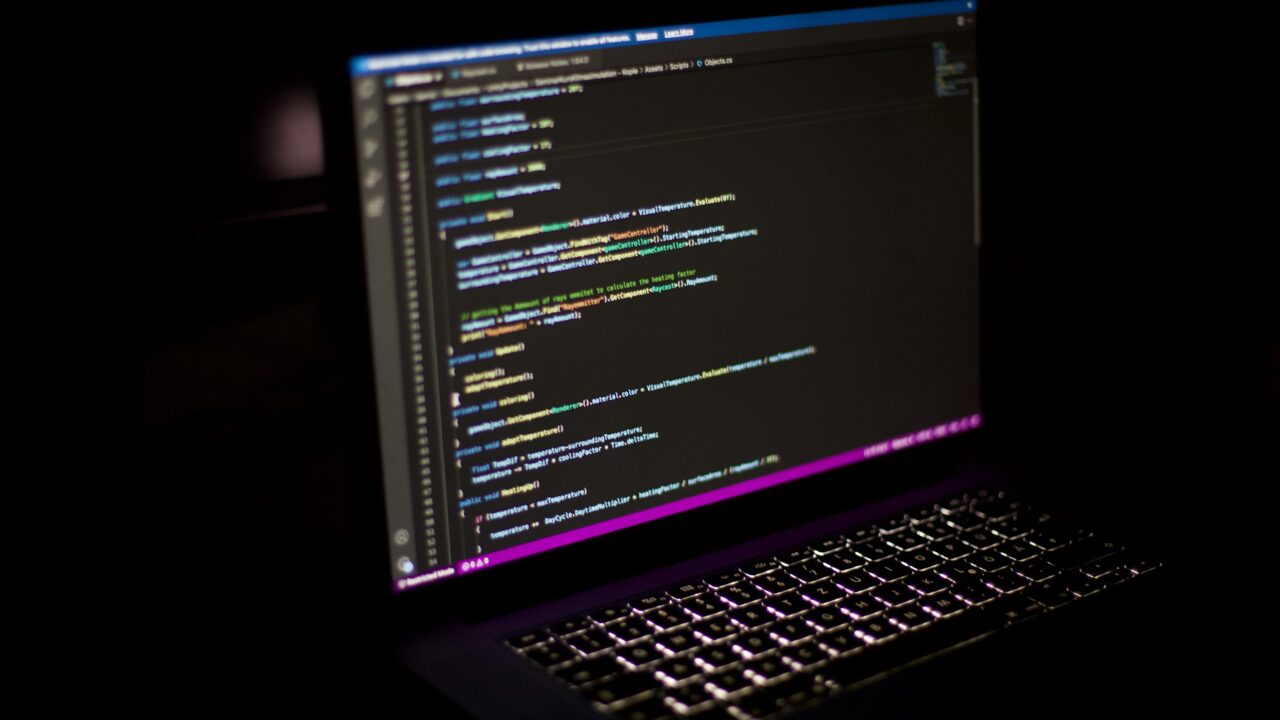
The morning’s news puts coding agents in your pocket and a chip maker on Wall Street, with the same underlying message: the practical layer of AI is starting to crystallise. Developers no longer need a desktop to ship a feature, and investors no longer need to argue whether AI hardware can support a real business.
Codex moved into the ChatGPT mobile app, putting agent-driven coding in your pocket. OpenAI rolled out a Codex experience inside the ChatGPT iOS and Android apps yesterday, letting paying users start, monitor and approve coding tasks from their phone. The features mirror what the desktop client has offered for weeks: send Codex a job, watch it work, intervene when it goes off track. The difference is the surface. You can kick off a refactor while walking to the bus stop and approve the diff over coffee.
For most readers this matters because it removes a friction point in working with agents. Until now, running an agent meant sitting in front of a laptop. The mobile flow extends agent use to the dead hours of the day, the commutes and queues and lunch breaks when knowledge workers do their lightest thinking. Whether you trust an agent to push code without watching it is a separate question, covered in what AI agents can actually do today. The rollout is available to ChatGPT Plus, Pro and Business subscribers in the UK from today.
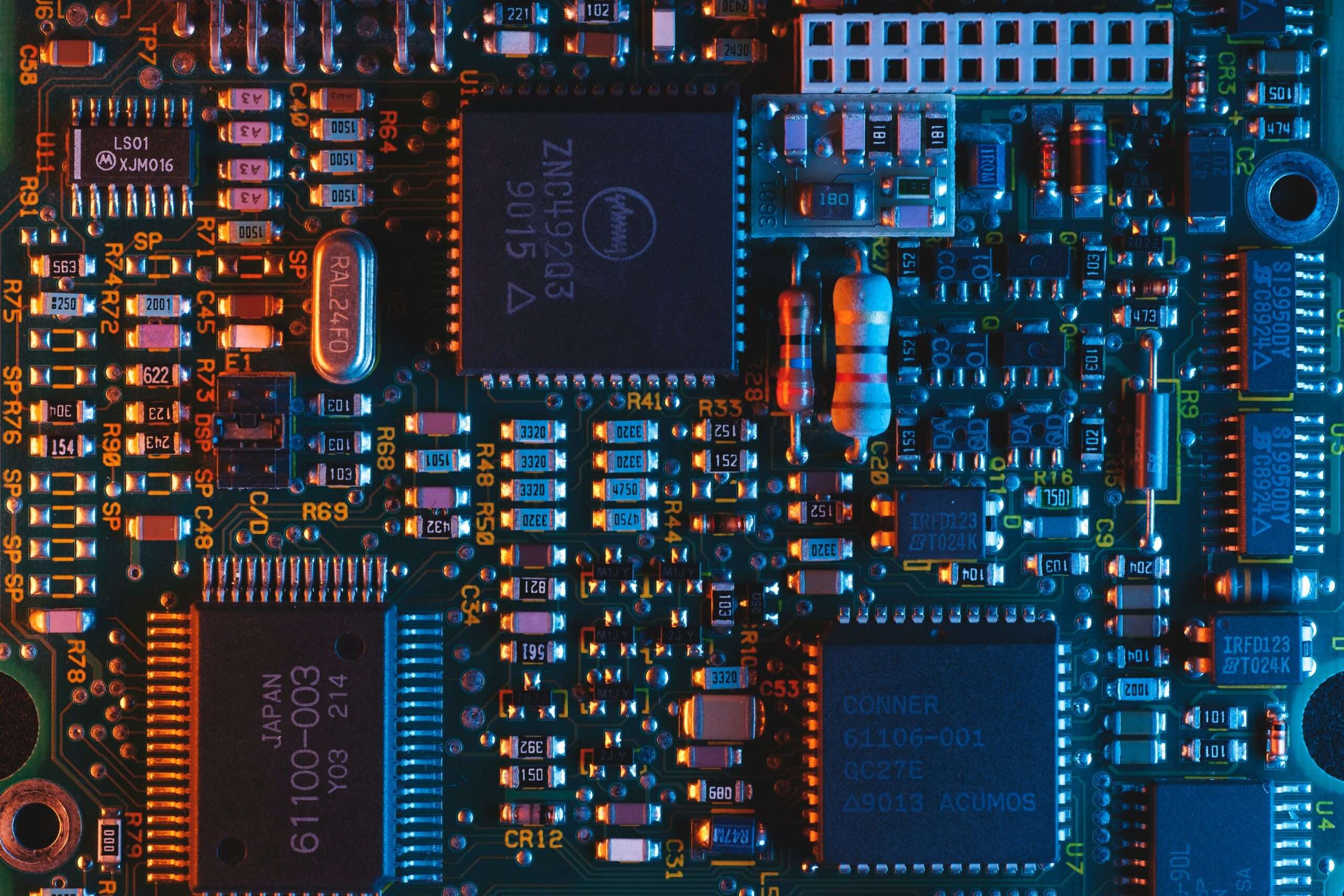
Cerebras closed its IPO at $5.5bn and watched its shares pop 108 percent on day one. The chip company, which builds wafer-scale AI accelerators that some labs use as an alternative to Nvidia GPUs, opened on the Nasdaq yesterday and saw shares more than double in the first session. The float makes Cerebras the first significant AI hardware IPO of 2026 and the first major tech listing of the year more broadly.
The number that matters for UK readers is not the headline pop, which says more about how starved public markets have been of AI exposure outside Nvidia than about Cerebras itself. The signal is that there is now a second listed pure-play in AI silicon, giving pension funds, ISAs and tracker funds an alternative when they want chip exposure without staking everything on one stock. Watch for Cerebras hardware to start turning up in UK university research contracts and government compute procurements over the next six months.
OpenAI is preparing legal action against Apple over its ChatGPT integration on iPhone. Reports surfaced overnight that OpenAI is so frustrated with how Apple has handled the Siri to ChatGPT handoff inside iOS that it is actively exploring litigation. The complaint, according to people familiar with internal discussions, is that the integration has not delivered the subscriber growth or product prominence OpenAI was promised, and that Apple has steered users towards its own AI features at every opportunity.
Apple has not commented. For UK iPhone users the short-term answer is no impact: ChatGPT inside Siri continues to work as before. The longer-term question is whether OpenAI starts pulling back from default integrations with the big platforms and pushing harder on its own surfaces. Anyone running an AI policy at a small business should expect the platform-versus-model fight to keep widening, and our note on how to draft a simple AI policy is a sensible starting point.
Recursive Superintelligence emerged from stealth with $650m to build an AI that improves itself. Former Salesforce chief scientist Richard Socher launched the venture yesterday at a $4.65bn valuation, with GV and Greycroft leading the round. The pitch is recursive self-improvement, a model that can identify its own weaknesses, design fixes and implement them without human help.
There is a real UK angle. Co-founder and research lead Tim Rocktaschel is a professor of AI at University College London and a former Principal Scientist at Google DeepMind, where his Open-Endedness group won the ICML 2024 best paper award for Genie. Recursive Superintelligence has no product yet and targets a public launch in mid-2026, but Socher insists the company will ship products rather than papers, setting it apart from the recent wave of frontier labs raising at similar valuations with nothing obvious to sell.
More than fifty staff have left Elon Musk’s SpaceXAI since the February merger. TechCrunch reported overnight that the combined entity, formed when Musk folded xAI into SpaceX, has lost a meaningful chunk of senior people in three months. Reasons cited range from burnout to talent poaching by Anthropic and OpenAI to a perception that the merger cashed out incentives without replacing them. Once equity events land, staying power inside a single firm shrinks fast, and UK employers competing for AI talent need to design retention accordingly.
Worth Watching
Best for: Delegating coding tasks to an AI agent.
Now in the ChatGPT mobile app, so jobs can be kicked off and approved from your phone.
Best for: Running large open models fast.
Wafer-scale chips now have a listed pure-play behind them, giving developers a real alternative to Nvidia.
Best for: AI-led web search with citations.
Richard Socher’s existing search venture while Recursive Superintelligence builds in stealth.
Here is everything else worth knowing from this morning’s AI news.
- Cisco cuts nearly 4,000 jobs to fund more AI investment. The networking giant is reshaping headcount alongside what it called record quarterly revenue, the latest sign that AI capex is reshaping payrolls inside incumbents.
- Ontario auditors find doctors’ AI note-takers routinely miss basic facts. A government audit flagged accuracy issues in medical scribe tools, a useful reminder for anyone in UK primary care looking at the same vendor pitches.
- Khosla Ventures backs Synthetic, an autonomous AI bookkeeping startup. $10m to Ian Crosby, whose previous outfit Bench collapsed; the bet is that an AI bookkeeper can replace the human-led model entirely.
- Rust compiler team publishes its first LLM contributions policy. The proposal sets out when AI-generated patches can land in the compiler, a template other open source projects are likely to copy.
- Clawdmeter turns Claude Code usage stats into a desktop dashboard. A small open source tool for tracking spend and rate limits inside Anthropic’s coding agent.
- The Musk versus Altman jury trial finally has a question list. A reporter set out what the jury will actually decide, narrowing the legal stakes for OpenAI’s nonprofit structure.
- Have a coherent AI policy, says a widely-shared engineering blog post. A practical argument that organisations without a written AI position will end up shadow-adopting one regardless.
- TechCrunch Startup Battlefield 200 applications close 27 May. UK AI founders chasing the $100,000 equity-free prize have under two weeks to apply.
What to watch today: London markets open at 8am, and the FTSE technology benchmark will tell us whether the Cerebras pop has any UK follow-through or stays a pure Wall Street event. Expect AI hardware names on AIM to move on sentiment alone before the lunchtime print.
This is a daily news update for informational purposes only. AI products and policies change rapidly. Verify details directly with providers before making decisions. Nothing here is financial or legal advice.
AI Daily is Cristoniq’s daily guide to developments in artificial intelligence, published every morning.