3 May 2026: Pentagon Spreads AI Contracts as the Oscars Bar Generated Actors (AM)
The Pentagon awards classified-network AI deals to Nvidia, Microsoft and AWS while the Oscars bar AI-generated actors and scripts.
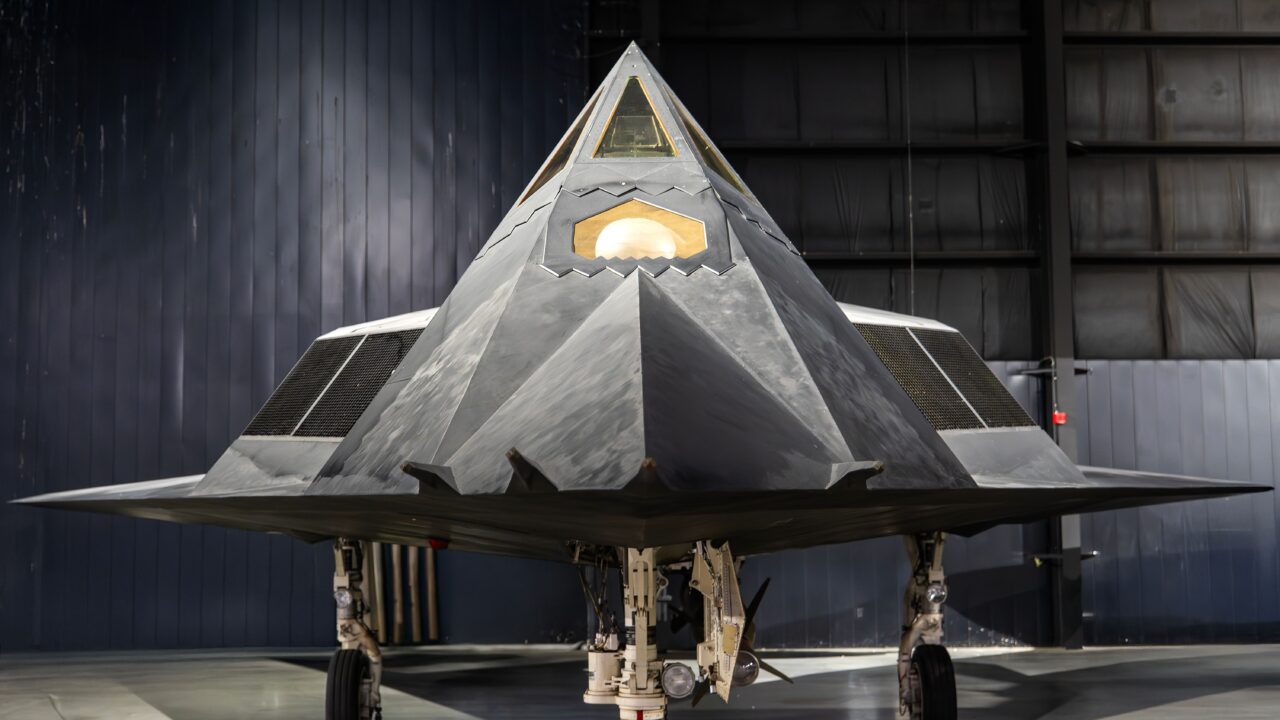
Defence and entertainment both drew new lines around artificial intelligence over the weekend. The Pentagon spread its classified-network AI contracts across three vendors, ending Anthropic’s lone run on military deployments. In Beverly Hills, the Academy ruled that AI-generated actors and scripts can no longer compete for Oscars. The pattern is the same: institutions setting their own AI rules instead of waiting for someone else to do it.
The Pentagon awarded classified-network AI deployment contracts to Nvidia, Microsoft and AWS, ending the period when Anthropic was the only frontier provider on Defense systems. The Department of Defense disclosed the trio of agreements on 1 May, formalising a vendor-diversification push that has been building since its public dispute earlier this year with Anthropic over usage terms for the Claude models on government networks. Nvidia handles hardware integration, Microsoft contributes its enterprise stack, and AWS provides the underlying infrastructure.
For the AI industry, this is a structural shift. Until this week Anthropic effectively had the only working frontier-model footprint inside DOD classified environments. By spreading deals across three of the largest infrastructure players, the Pentagon is removing a single-vendor dependency that had become uncomfortable on both sides. OpenAI, Google and any other lab with classified-cleared offerings will move next.
For UK readers, the parallel question is whether the Ministry of Defence and the Cabinet Office follow a similar multi-vendor playbook when classified-environment AI contracts come up for review later this year. So far, UK procurement signals favour spread over single-supplier, the same direction the Pentagon has now formalised.
The Academy of Motion Picture Arts and Sciences confirmed that films using AI-generated performers or scripts will no longer qualify for Oscar consideration. The ruling, issued on 2 May, draws what is now the highest-profile bright line yet between human and machine authorship in a major awards body. Films can still use AI tools in production, including visual effects pipelines, dubbing or restoration, but lead performances or core writing credited to a generative model will trigger ineligibility.
The trigger appears to be the rise of synthetic talent agencies promoting fully AI-generated actors. Tilly Norwood, a synthetic actor pitched as ready for serious film work, has been cited in industry coverage as the kind of submission the new rule is built to block. The Academy’s wording focuses on creative authorship: lead performances and screenplay must be the work of human creators to qualify.
The decision is the start of a longer conversation rather than the end of one. Other awards bodies, festivals and union contracts will follow with their own rules. UK creative-industry bodies, including BAFTA and the Writers’ Guild of Great Britain, will face pressure to clarify their own positions in the coming weeks.
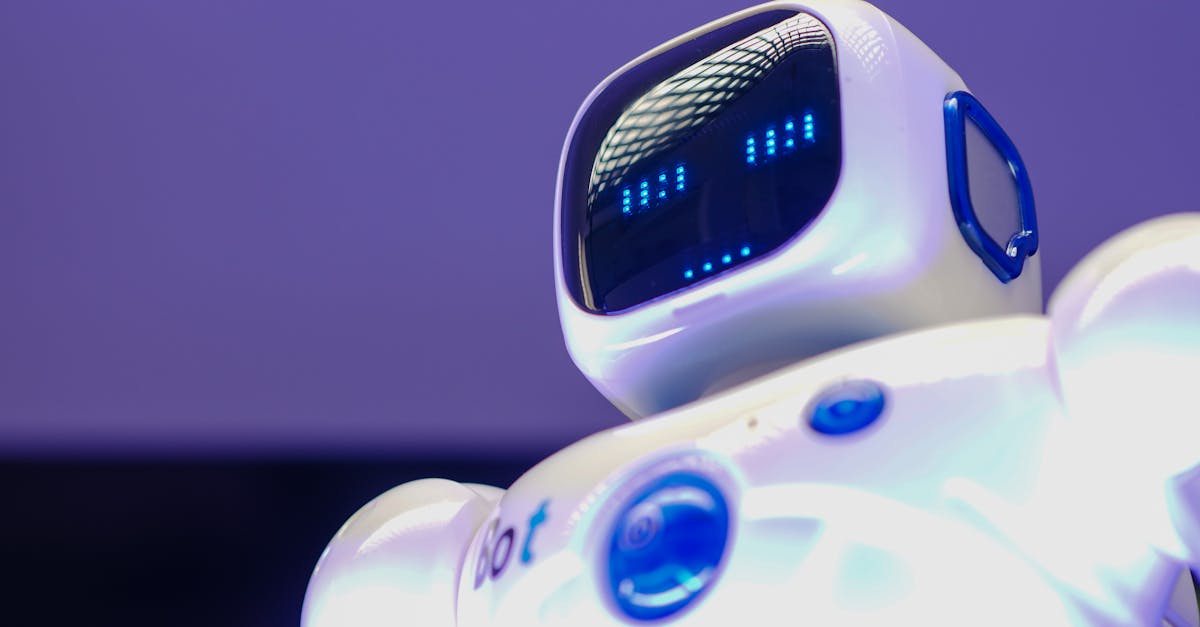
Anthropic is preparing a fundraise that could value the company at more than $900 billion, with allocation requests due within 48 hours of the company’s outreach to investors. Sources told TechCrunch on 30 April that the round is moving on a tight clock. If priced anywhere near the floated figure, the raise would push Anthropic into the small set of private companies repricing themselves every few months.
Two readings are already circulating. The bullish case is that revenue from Claude products, enterprise contracts and government work has scaled enough to support the number. The cautious case is that frontier-AI valuations have detached from underlying business metrics, with each round priced against the next. Either way, the round will set a reference point for how every other large model company prices its next raise.
Cursor, the AI coding company, is reportedly in talks to be acquired by SpaceX for around $60 billion. The reported deal surfaced ahead of TechCrunch’s StrictlyVC event on 1 May, where Replit chief Amjad Masad addressed it on stage. If completed, it would be one of the largest acquisitions in software-developer tooling history, and a strong signal that satellite and rocket businesses now treat in-house AI coding capability as a strategic asset rather than a hosted service.
For developers and small businesses, the practical question is whether Cursor stays an open product after a SpaceX integration, or gets pulled inward to serve the parent’s engineering teams. Masad pushed back on stage against any assumption Replit is next, arguing the long-term shape of vibe coding tools is different from what Cursor is being valued for.
Stripe updated Link, its digital wallet, so that autonomous AI agents can make purchases on a customer’s behalf with explicit approval flows. The change, announced on 30 April, lets users connect cards, banks and subscriptions to Link, then authorise specific AI agents to spend up to defined limits, with each transaction routed through approval logic at the wallet layer.
For consumers and small businesses this is the cleanest answer yet to the question of how to let an AI tool actually transact on your behalf. Earlier agentic shopping flows depended on either screen-scraped browser sessions or temporary virtual cards. Stripe Link puts the control logic in the wallet itself, with built-in spend caps and per-transaction approvals. UK Stripe customers will see the AI-agent flows roll out alongside US availability over the coming weeks.
Worth Watching
Best for: Letting AI agents pay on your behalf safely
Wallet-level spend caps and per-transaction approval bring agentic shopping into mainstream payment rails.
Best for: AI-assisted coding inside a familiar editor
The reported $60bn SpaceX talks make Cursor’s roadmap and pricing one to watch.
Best for: AI dictation that keeps up with how you talk
Topped TechCrunch’s tested-and-ranked AI dictation roundup published on 2 May.
Here is everything else worth knowing from this morning’s AI news.
- Apple is supply-constrained on AI-driven Mac demand. The company said it will be short on Mac mini, Mac Studio and the new MacBook Neo into next quarter as buyers stock up on Apple Silicon for local model work.
- Meta acquired humanoid robotics startup Assured Robot Intelligence. The deal beefs up Meta’s robot-side AI models and signals a move from research demos to real humanoid product targets.
- Google’s Gemini assistant is rolling into millions of vehicles. A push to replace scripted voice systems with a Gemini-backed assistant for navigation, messaging and in-car controls.
- OpenAI added Yubico hardware-key support to ChatGPT. Opt-in physical-key login protection aimed at heavy and enterprise users worried about account-takeover attacks.
- Elon Musk testified xAI trained Grok on OpenAI models. The admission, made under oath in Musk’s lawsuit against OpenAI, hands rivals fresh ammunition in the unresolved fight over distillation.
- Legal AI startup Legora hit a $5.6 billion valuation. Backed by Nvidia’s NVentures, Legora is now the most direct rival to Harvey and pushing harder into UK and European law firms.
- Salesforce is opening its AI roadmap to customers. The Agentforce team is letting enterprise customers vote on next-feature priorities.
This is a daily news update for informational purposes only. AI products and policies change rapidly. Verify details directly with providers before making decisions. Nothing here is financial or legal advice.
AI Daily is Cristoniq’s daily guide to developments in artificial intelligence, published every morning.