Budget smartphones: what UK buyers should check
A plain English guide to budget smartphones, where cheap phones are good enough and what UK buyers should check before paying more.
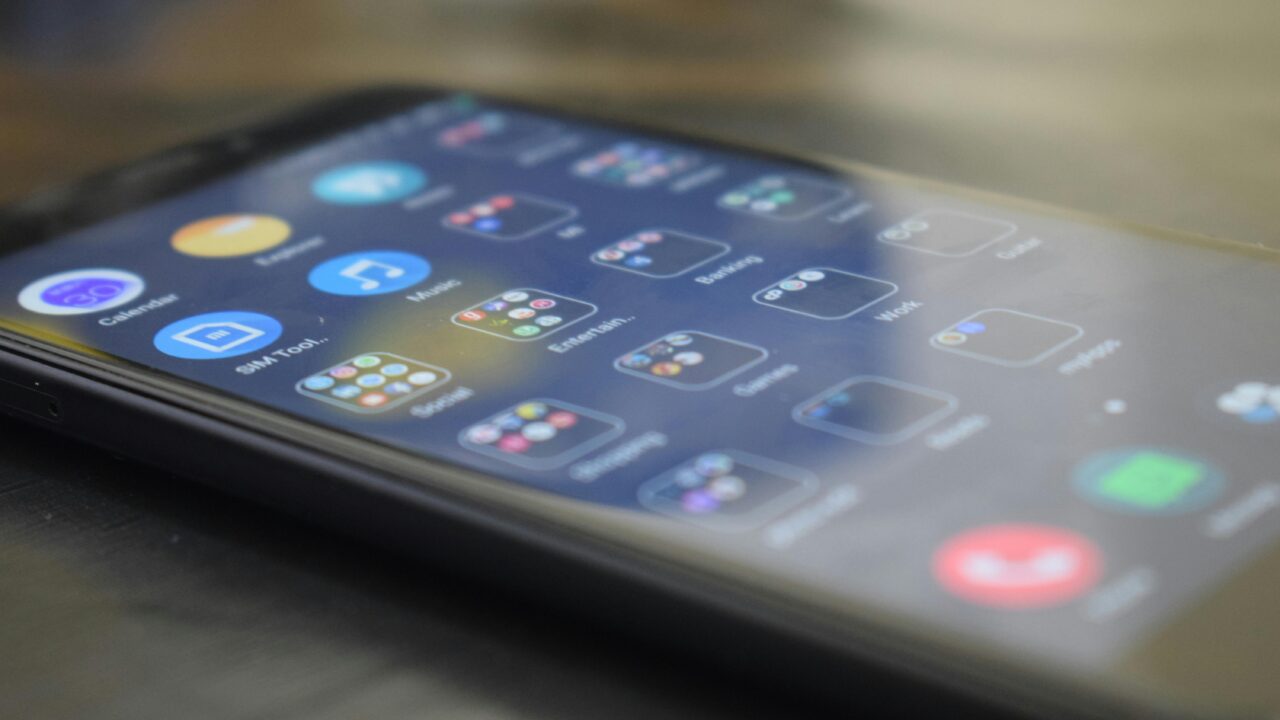
Budget smartphones are no longer the obvious compromise they once were. For many UK buyers, the cheaper phone is now the sensible phone. The trick is knowing which corners still matter.
The Short Version
- Budget smartphones are good enough for calls, messaging, browsing, banking and photos in normal light.
- The biggest compromises are usually camera quality, long-term software support, screen brightness and speed under load.
- A strong mid-range phone can be better value than the cheapest option.
- Check network support, storage and update promises before buying.
- Pay more only if you will use the extra camera, gaming or productivity features.
What budget smartphones do well
Budget smartphones now handle the everyday jobs well. Calls, messages, maps, banking apps, video calls and web browsing are not demanding tasks.
Screens are larger and sharper than old cheap phones. Batteries are often strong because lower-power chips use less energy.
That means a cheaper phone can feel perfectly normal for most of the day. The gap appears when you push it harder.
If you are choosing a network as well as a phone, use the Ofcom mobile coverage checker. Signal matters more than a flashy handset.
This is why budget smartphones suit many students, parents and older relatives. The main jobs are simple, regular and practical.
A good cheap phone should not feel like a punishment. It should feel like a normal phone with fewer luxuries.
Where cheap phones still cut corners
Budget smartphones usually save money in predictable places. The camera may struggle at night, and video stabilisation may be weaker.
The processor may be fine for daily use but slower in games. Apps may reload more often if memory is limited.
The screen may look good indoors but less clear outside. Speaker quality and vibration motors can also feel basic.
None of this makes a cheap phone bad. It means you should not expect flagship polish at a budget price.
Build quality can vary too. Some cheaper phones feel solid, while others use weaker glass or less water resistance.
That matters if you keep phones for years. A cracked screen can wipe out the saving quickly.
Software support is the hidden test
Software support matters because phones hold private data. Banking, passwords, messages and photos all live on the device.
A cheap phone with short update support can become poor value. You may need to replace it sooner than expected.
The National Cyber Security Centre device guidance explains why secure devices and updates matter.
Before buying, check how many years of security updates the maker promises. Do not rely on vague phrases such as regular updates.
Also check whether updates are monthly, quarterly or occasional. The phrase supported can hide a slow schedule.
If you use your phone for banking, work email or family photos, update life should sit near the top of your list.
Storage and memory matter more than branding
Budget smartphones can feel slow when storage is nearly full. Photos, WhatsApp media and app caches build up quickly.
For most people, 128GB should be the sensible floor. Heavy photo and video users may need more.
Memory matters too. A phone with too little RAM may close apps in the background and feel older sooner.
Do not pay for a famous logo if the storage is tight. The day-to-day experience may be worse than a plainer rival.
Expandable storage can help with photos and music. It does not always help with apps, because many apps still need internal storage.
Cloud storage can ease the pressure, but it may bring monthly costs. Add those costs before comparing prices.
Camera claims need real caution
Budget smartphones often advertise several cameras. Some are useful. Some are there because a bigger camera count sells phones.
The main camera matters most. Ultra-wide, macro and depth cameras can be weak on cheaper models.
Look for sample photos in normal rooms, streets and low light. Bright showroom photos rarely show the hard cases.
If photos of children, pets or nights out matter to you, the camera is a valid reason to spend more.
Shutter speed matters as much as sharpness. A phone that blurs moving subjects can miss the moments you bought it for.
Video is another divide. Cheaper models may record fine clips in daylight and struggle when sound or lighting gets harder.
When paying more makes sense
A premium phone makes sense if you keep it for years, take many photos, game often or need strong video features.
It can also make sense if you use the phone for work. A better screen, faster chip and longer update life may pay off.
Our wider guide to how to choose a smartphone in 2026 explains the trade-offs beyond price.
For everyone else, the middle of the market is often the sweet spot. It avoids the worst compromises without chasing luxury.
Refurbished flagships can also compete with new budget smartphones. Check battery health, warranty and update support before choosing that route.
A used premium phone with weak battery life may not be a bargain. A new mid-range model may last longer.
A Worked Example
Imagine you want a phone for messages, maps, banking, music and photos of family days out. A 250 pound phone may be enough.
Now imagine you film a lot of video, edit clips and play demanding games. The same phone may frustrate you quickly.
A mid-range model around 400 to 600 pounds could be the better buy. It may bring a stronger camera, screen and update promise.
That is the real question. Budget smartphones are worth it when the savings do not remove features you genuinely use.
They are poor value when the cheap model forces an early upgrade. A low price is not the same as low lifetime cost.
Now add a case and screen protector to the price. Protection is boring, but repairs can cost more than the accessories.
If the phone is for a child, repair cost and tracking settings may matter more than camera quality.
What This Means For You
Start with your real use, not the advert. If your phone is mostly for practical tasks, do not pay flagship prices out of habit.
Check the update promise, storage, battery, camera samples and network support. Those details decide whether a cheap phone stays useful.
Also check the return policy. A phone can look good on paper and still feel wrong in your hand.
For a similar buying mindset, read our guide to wearables in 2026. The same rule applies: buy for the job.
Budget smartphones are worth it when they match your needs cleanly. They are not worth it when they make you fight the device every day.
In Plain English
Budget smartphones are good enough for many people now. The best ones cover the basics without feeling cheap.
The weak spots are camera quality, update life, storage and speed. Check those before deciding the saving is real.