
AI Agents and TradingView: How AI Is Changing Trading
TradingView is the platform millions of retail traders already use to chart markets, test ideas, and argue with strangers on the internet. It covers equities, forex, crypto, commodities, and indices, and for most serious amateurs it is the default screen open on a second monitor. What is new is not the platform. What is new is that artificial intelligence has quietly walked into the room and started changing how people use it, and the gap between a professional setup and a Saturday morning hobbyist is now the narrowest it has ever been.
The usefulness of TradingView sits on three legs. First, a charting engine that is good enough for professionals, with indicators, timeframes, and drawing tools a Bloomberg terminal would recognise. Second, a language called Pine Script that lets anyone write a custom indicator or a full trading strategy. Third, a social layer where traders share ideas, follow each other, and publish their analysis publicly. The third leg is what turned TradingView from a tool into a community, and it is also what makes it fertile ground for AI assistance.
Until recently, writing anything custom on TradingView meant either learning Pine Script yourself, hiring a developer off Fiverr, or paying a recurring subscription for somebody else’s indicator. Language models have changed that in a way that feels slightly unfair to people who spent years learning the syntax. Describe the strategy you want in plain English, paste the description into Claude or ChatGPT, and the model will write you a Pine Script file that usually runs on the first attempt and, after a few corrections, does exactly what you asked. A UK swing trader who could not write a line of code can now iterate on five indicator ideas before breakfast.
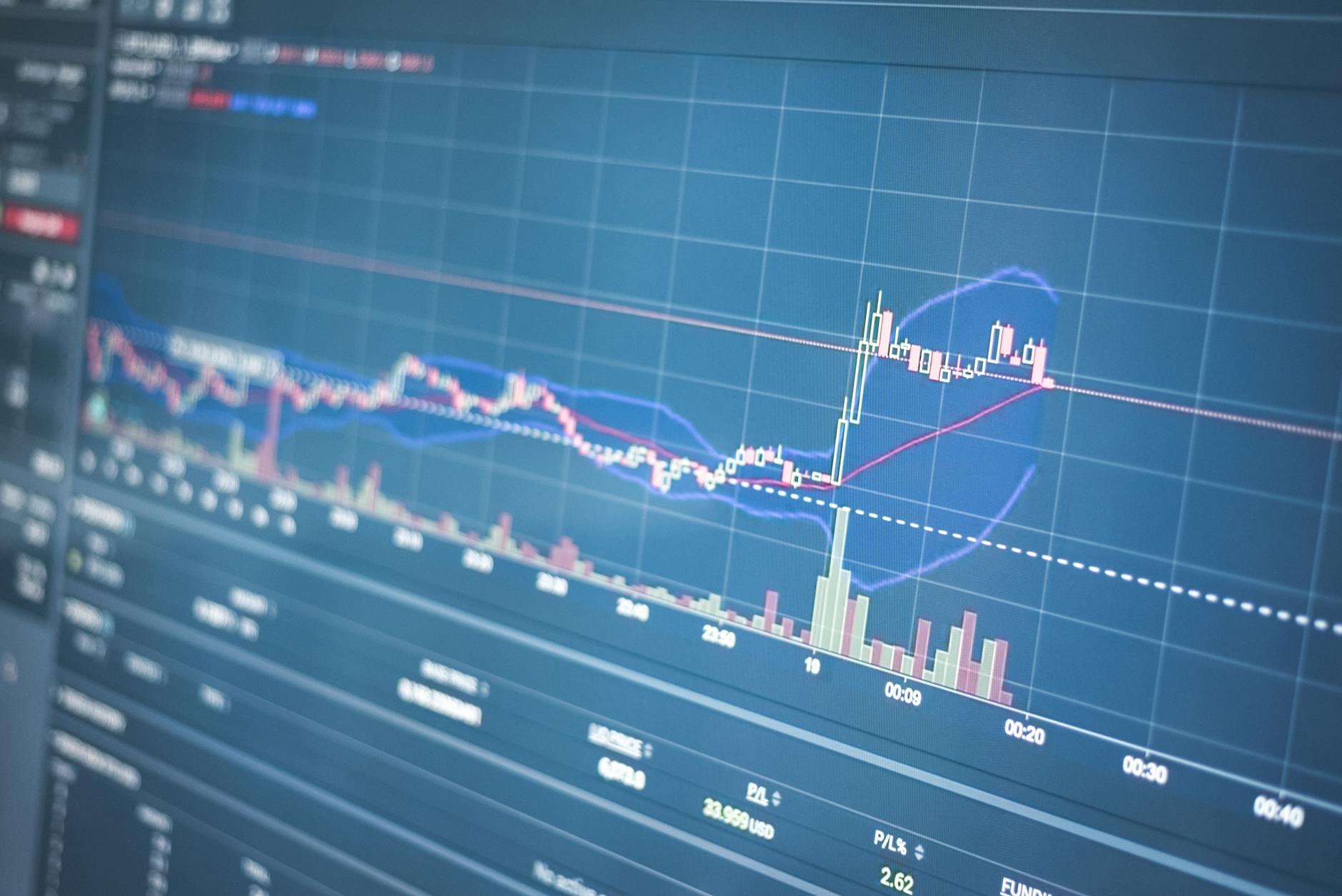
The second thing AI is quietly doing on TradingView is helping with pattern recognition. Traders upload screenshots of charts to Claude or GPT and ask for a plain English read on what they are seeing. Is this consolidating? Is that a textbook double bottom? What does the volume profile suggest? The model is not going to tell you what happens next, because nobody can, but it can describe what the chart shows with more clarity than most humans manage when they are staring at a position that is already in the red and looking for a reason to hope.
The third use case is idea generation and screening. TradingView’s screeners let you filter thousands of stocks on dozens of criteria. AI can take a vague prompt such as, show me mid cap UK listed companies trading near 52 week highs with improving free cash flow, and translate it into a specific screener configuration in seconds. The user does not need to know the exact filter names or the syntax of the underlying query. This is the same trick as natural language database search, applied to the specific case of finding interesting tickers to look at.
A concrete UK example. A private investor in Leeds wants to build a simple watchlist of FTSE 250 companies with rising dividends, strong balance sheets, and a share price above the 200 day moving average. In the pre AI world, building that screener meant reading the TradingView documentation, working out the field names, and iterating until something plausible came out. With AI in the loop, the same investor types one sentence, gets back a working filter, applies it to TradingView, and spends the reclaimed afternoon doing something actually useful, like reading the annual reports of the companies that came through.
A common misconception is that AI is going to start trading for you automatically on TradingView. It is not, at least not in any safe or regulated sense. The models write code, describe charts, and help you think more clearly, but pulling the trigger on a trade is still your job. The part of the process where real money moves is also the part that is tightly regulated by the FCA in the UK, and for very good reasons. Anyone selling you a fully automated AI trading system that does not require a licence should be viewed with serious suspicion.
Another common misconception is that AI assistance gives the user an edge on the market itself. It mostly does not. Everyone else is using the same tools, and any pattern the model can describe is already known to anyone else who cares. The real edge AI provides is on your own side of the screen. It reduces friction, saves time, stops you from making obvious errors, and makes the tools you already had more accessible. That is a genuine improvement. It is not a crystal ball.
There is also a cost and risk dimension worth understanding. Running a language model to analyse charts or generate scripts is cheap. Deploying any resulting strategy with real money is not. The most common mistake new users make is jumping straight from a backtest, which shows a strategy would have worked in the past, to live trading, which is where it has to work in the future. Backtests tell you about the past. They tell you almost nothing about whether the strategy has real edge. AI can speed up backtesting, but it cannot tell you whether the pattern you found is real or the product of picking the lucky curve out of many tries.
The practical takeaway is this. If you use TradingView, you are already sitting on top of a professional grade toolkit. Adding AI on the side, for Pine Script generation, chart description, screener building, and idea summarisation, can meaningfully shorten the time it takes you to go from a question to a well framed answer. Treat the AI as a sharp, tireless research assistant that sometimes makes things up, verify everything important, and leave the actual trading decisions to the human whose money is on the line. That is how the two tools combine to make you a slightly better investor without turning into a reckless one.