Secondary Market: A Plain English Guide
A plain English guide to the secondary market, where existing shares and bonds change hands after first issue, and why liquidity matters.
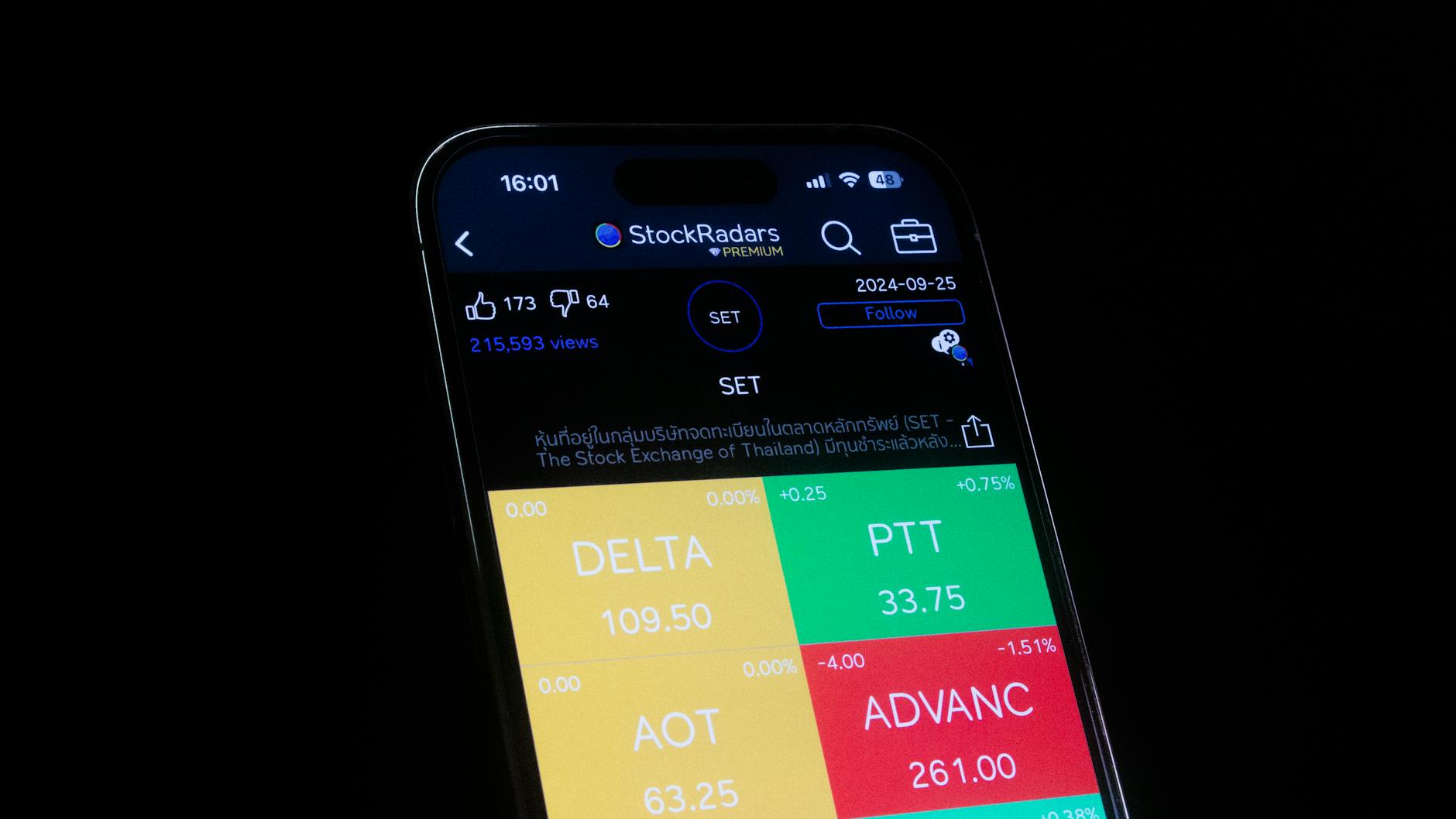
This is the part of investing most people meet first. It is where existing shares, bonds and funds change hands after they have already been issued.
The Short Version
- The secondary market is where investors buy and sell existing investments from each other.
- Companies usually raise new money in the primary market, not each time their shares trade later.
- The secondary market matters because it gives investors liquidity, price discovery and a way to exit.
- Prices move because buyers and sellers keep changing their view of risk, profit and future growth.
- For ordinary investors, costs, spreads and order type matter more than the daily market noise.
How the secondary market works
A company issues shares once in the primary market. After that, most everyday trading happens in the secondary market. If you buy a listed share through a broker, you are usually buying from another investor, not from the company itself.
The same idea applies to many bonds, investment trusts, exchange traded funds and other listed securities. Ownership moves from seller to buyer. Cash moves the other way. The company behind the investment is not raising fresh money from that trade.
This distinction helps make sense of market headlines. When the FTSE 100 rises or falls during the day, investors are re-pricing existing shares as new information arrives.
The Investor.gov guide to stock markets describes the same broad system: exchanges and brokers help buyers and sellers meet after securities have been issued.
Why it matters to companies
A company does not receive money every time its shares change hands after issue. That can feel surprising. Even so, the company still benefits from an active market in several indirect ways.
First, a liquid secondary market can make new fundraising easier. Investors are more willing to buy newly issued shares if they know there is a realistic way to sell later. Without that exit route, they would demand a lower price or avoid the issue altogether.
Second, the secondary market gives the company a public valuation. The share price becomes a signal used by management, lenders, employees, potential acquirers and future investors.
Third, the market can reward or punish confidence. A rising price can lower the cost of raising future capital. A falling price can make takeovers, debt talks or staff share schemes more difficult.
Why it matters to investors
For investors, the market is mainly about access and control. It lets you buy when a price looks attractive. It also lets you sell when your view changes, you need cash, or the investment no longer fits your plan.
That does not mean selling is always easy. Liquidity varies. A large FTSE 100 share may have many buyers and sellers throughout the day. A tiny small-cap share may trade rarely, with wider gaps between the price buyers offer and sellers ask for.
That gap is the bid-offer spread. It is a real cost. If you buy at the higher offer price and could only sell immediately at the lower bid price, you start behind before the market price has moved.
This is why the secondary market is not just a background mechanism. It affects execution price, dealing costs and how quickly you can leave a position.
Price discovery and liquidity
Price discovery means the market is constantly testing what an investment is worth. Every trade reflects a buyer willing to pay and a seller willing to accept. The quoted price is not perfect, but it is the live meeting point of those views.
New information changes that meeting point. Earnings updates, interest rates, oil prices, regulation, takeover rumours and profit warnings can all shift what buyers and sellers think an investment is worth.
Our guide to what a profit warning is explains why prices can move sharply when expectations reset. The secondary market is where that reset becomes visible.
Liquidity is the other key idea. A liquid market has enough orders that trades can happen quickly without moving the price too much. An illiquid market can be jumpier because even modest buying or selling can move the quote.
Primary market versus secondary market
The primary market is where investments are created or sold to investors for the first time. An initial public offering, a rights issue and some bond issues are primary market events. New money usually goes to the company or issuer.
The resale market comes after that. Existing investors trade with each other. The company may care deeply about the price, but it is not usually receiving the cash from each trade.
Our companion guide to what the primary market is covers the fundraising side in more detail. The simple split is this: primary market creates or issues, secondary market transfers ownership later.
Both markets need each other. Primary issues need confidence that a secondary market will exist. Secondary trading needs investments that were created in the primary market in the first place.
A Worked Example
Imagine a UK company floats on the London Stock Exchange at GBP 2 per share. On the day of the float, investors who receive newly issued shares are taking part in the primary market.
A month later, you buy 500 shares through your broker at GBP 2.30. The company does not receive your GBP 1,150. Another investor sells their existing shares to you through the market.
If good results push the share to GBP 2.70, you may decide to sell. A new buyer takes the shares from you. Again, that is secondary market trading. Ownership changes, and the price reflects what investors now think the company is worth.
Now add liquidity. If the quoted price is 268p to sell and 270p to buy, the spread is narrow. If a smaller company is quoted at 260p to sell and 280p to buy, the spread is much wider. That difference can matter more than a small move in the headline price.
Common risks and misunderstandings
The biggest misunderstanding is thinking the secondary market is the same as company fundraising. In most ordinary share trades, your money goes to the seller, not to the business.
Another mistake is treating the market price as a final verdict. A price is an active quote, not a guarantee of value. Markets can overreact, underreact and change their mind quickly.
Order type also matters. A market order asks the broker to deal quickly at the best available price. A limit order sets a maximum buying price or minimum selling price. For less liquid shares, a limit can prevent an unpleasant execution.
The London Stock Exchange personal investing hub is a useful starting point for understanding how exchange trading fits into an investor plan.
What This Means For You
When you buy or sell a listed investment, think about more than the name on the screen. Check the spread, the normal trading volume, the order type and whether the price has moved on fresh news.
For large, heavily traded shares, the secondary market often feels smooth. For smaller companies, investment trusts or specialist securities, the market can be thinner. That can make entry and exit prices less predictable.
This also matters for funds. Our guide to tracker funds and index funds explains how many investors get market exposure without choosing every share themselves. The underlying holdings still trade in secondary markets.
Do not confuse being able to sell with being able to sell at the price you want. Liquidity helps, but it does not remove investment risk.
In Plain English
The secondary market is the resale market for investments. It is where existing shares and bonds pass from one investor to another after they have first been issued.
It matters because it gives investors a way to buy, sell and judge prices. It also helps companies because investors are more willing to fund businesses when they know there is a market for selling later.
For everyday investors, the practical lesson is simple. Look beyond the last price. Pay attention to spreads, liquidity, order type and why the market is moving.
This article is for general financial education only. It is not financial advice or personal investment advice. Investments can fall as well as rise, and you may get back less than you invest.