How to choose a smartphone in 2026
A plain English UK guide to choosing a smartphone in 2026 without paying for specs, camera features or contract extras you will not use.
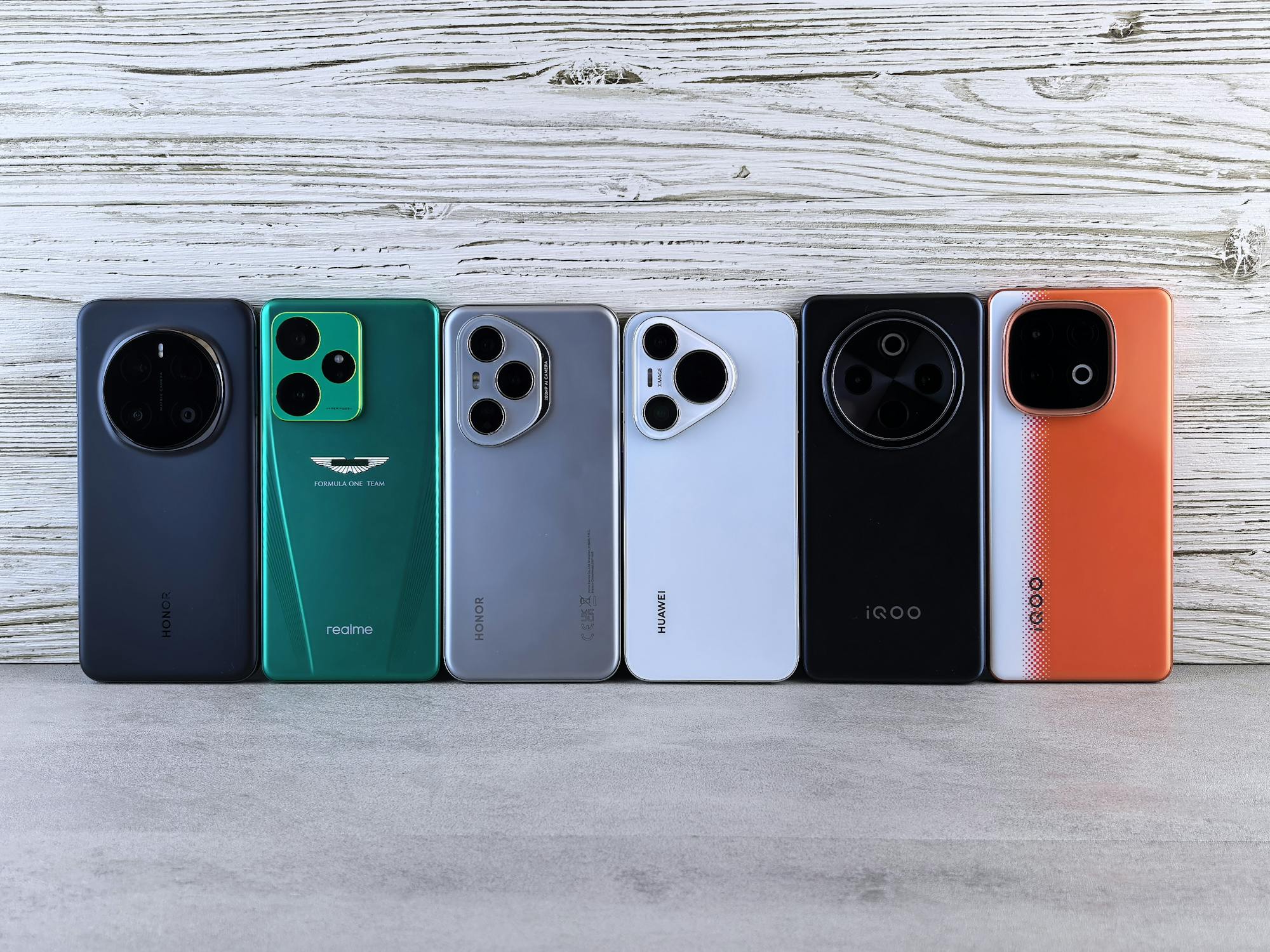
Choosing a new phone should not feel like decoding a spec sheet. Most people need a reliable device, a fair price and enough support to keep it useful for years.
The Short Version
- Start with how you actually use your phone, not the model with the loudest advert.
- Software support, battery health, storage and signal matter more than tiny processor differences.
- A mid range phone is enough for most people if the camera and update policy fit your needs.
- Check the total cost of the handset, airtime and trade in before signing a deal.
Start with your real use
The simplest way to choose a smartphone is to ignore the launch hype for five minutes. Write down what you use your phone for every day.
For many people, that list is calls, messages, maps, banking, email, social media, photos and video. None of those jobs automatically requires the most expensive model.
The decision changes if your phone is also your work camera, payment terminal, travel computer or editing screen. In that case, a better camera, more storage and stronger battery life can be worth paying for.
The mistake is buying for an imaginary version of yourself. Choose a smartphone around the life you actually have, then add a small margin for the next three or four years.
Software support is the hidden spec
A phone is only a good buy if it stays secure and updated. A cheap handset with short support can become poor value before the hardware fails.
When you compare models, check how many years of operating system updates and security updates the maker promises. If you choose a smartphone with a short update window, a low price can become a false saving.
Longer support also helps resale value. A buyer is more likely to trust a phone that still has updates ahead of it.
This is one reason older flagships can be tricky. A discounted premium phone may look attractive, but it may have already used up part of its support window.
Battery life beats peak speed
Most current phones are fast enough for ordinary use. The bigger day to day difference is whether the battery still gets you to bedtime.
Look for real world battery reviews, not just the size of the cell. Screen brightness, processor efficiency and mobile signal all affect how long a phone lasts when you choose a smartphone for daily use.
Fast charging is useful, but it is not a substitute for good endurance. A phone that constantly needs a top up is still an annoyance.
Battery replacement matters too. If you plan to keep the device for four years, check repair options before you buy.
Camera quality is not just megapixels
A huge megapixel number does not guarantee better photos. The useful checks are low light quality, motion handling, colour, zoom and whether the camera app gives consistent results.
Cristoniq has a separate guide to what makes a phone camera good now. The short version is that processing, lens quality and stabilisation matter as much as the headline sensor number.
If you mostly take photos of children, pets, food and holidays, look at reviews that show indoor shots and moving subjects. Bright daylight samples can make almost every phone look good.
A dedicated zoom camera can be useful if you take travel, sport or stage photos. If you do not, it is often an expensive feature you will barely touch.
Storage and memory need a reality check
Storage fills up with apps, photos, videos, WhatsApp media and system files. For most buyers in 2026, 128GB is the floor and 256GB is the safer choice if you keep phones for several years.
Cloud storage can help, but it is not magic. It may add a monthly cost, and you still need enough local space for apps, downloads and offline maps.
Memory is different from storage. More RAM helps heavy multitasking, but ordinary users should not pay a large premium for a number they will never feel.
If you are choosing between more storage and a slightly faster chip, choose storage unless you have a clear reason not to. It is one of the dull checks that helps you choose a smartphone you can keep.
Check signal before you check colour
A beautiful phone on the wrong network is still a bad experience. Before you choose a smartphone, check signal where you live, work and travel.
The Ofcom Map Your Mobile checker helps compare 4G and 5G coverage by location. It is not perfect for every room, but it is a better starting point than a national coverage advert.
Also check Wi-Fi calling if your indoor signal is weak. It can make a bigger difference at home than paying for a more expensive handset.
Dual SIM or eSIM support can be useful if you travel, run a side business or want separate work and personal numbers.
Contracts can hide the real price
The monthly number is not the real price. Add the upfront payment, handset finance, airtime cost, inflation-linked increases and any trade in promise.
Ofcom explains that many mobile deals split the handset and airtime elements, while bundled contracts can still make the total cost harder to see. Its mobile costs guide is worth reading before you commit.
If you already own a usable phone, compare a SIM only plan with a new contract. Ofcom also explains how to switch mobile provider by text, including using a PAC code if you want to keep your number.
Trade in deals can be good, but only after you compare the cash price elsewhere. A generous headline discount may be offset by an expensive tariff, so choose a smartphone deal only after the full cost is clear.
A Worked Example
Imagine two buyers. One wants a phone for banking, WhatsApp, maps, photos and commuting. The other films product videos for a small business.
The first buyer should probably choose a smartphone in the mid range, with long software support, strong battery life, enough storage and a decent main camera.
The second buyer may justify a higher tier model because video quality, stabilisation, storage speed and microphone support affect their work.
The same phone can be sensible for one person and wasteful for another. The right answer comes from use, not status.
That is why a short checklist beats a brand argument. It turns the decision from Which phone is best? into Which phone is best for this job?
What This Means For You
You do not need to chase every flagship launch. The better move is to choose a smartphone that will stay secure, last through a normal day and handle the things you do most.
If money is tight, read our guide to whether budget smartphones are worth it. If the choice is really between devices, our guide to tablets vs laptops may help frame the bigger purchase.
Before you buy, compare the total two or three year cost and the support window. A slightly boring phone with the right plan can be the smartest buy.
When the old device is finished, recycle it properly. GOV.UK warns that lithium-ion batteries can be a fire risk if dumped in ordinary rubbish, especially when damaged or wet.
In Plain English
To choose a smartphone well, start with the boring questions. How long will it get updates? Will the battery last? Is there enough storage? Does your network work where you need it?
After that, decide how much camera you really need. A strong main camera matters more than a spec sheet full of numbers.
Then look at the deal. The best phone is not a bargain if the contract quietly charges too much for airtime or finance.
The right choice is usually not the most expensive phone. It is the phone that solves your real problems at a price you can defend.