Public EV charging in the UK: the honest state of play
A plain English guide to public EV charging in the UK, covering charger speed, prices, payment, coverage and reliability for everyday drivers.
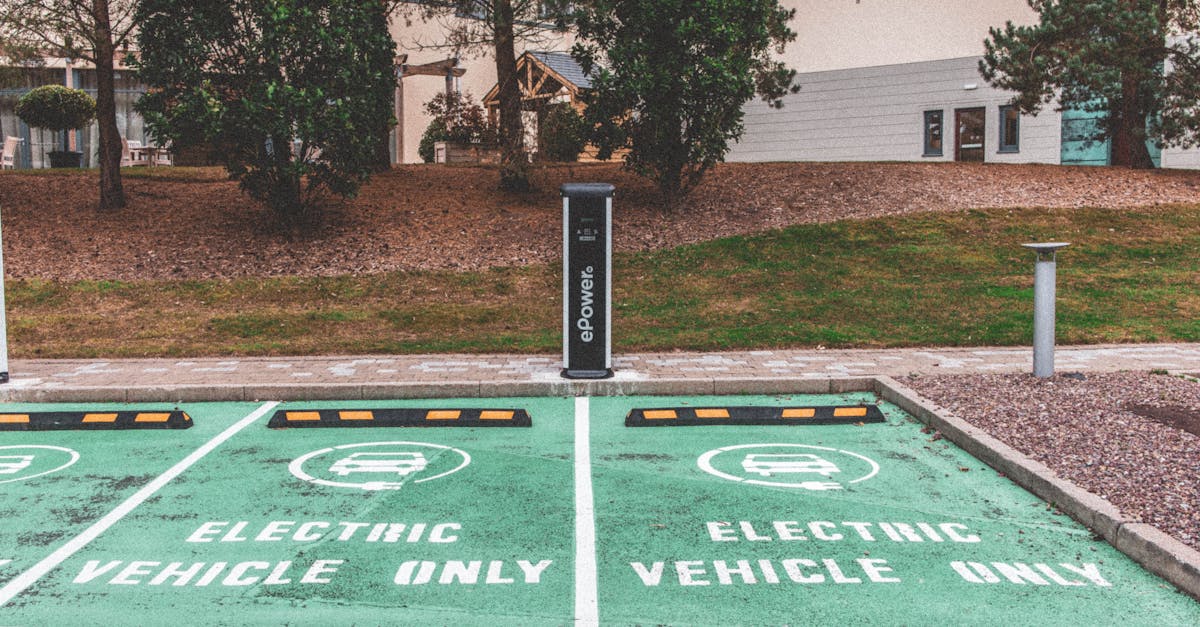
Public EV charging in the UK is much better than it was a few years ago. It is still not the same as filling a petrol car, so the smart question is not whether chargers exist. It is whether the right chargers exist where you actually drive.
The Short Version
- The UK public network is growing fast, but charger type matters as much as charger count.
- Slow and standard chargers suit long parking stops. Rapid and ultra-rapid chargers suit long journeys.
- Coverage is uneven. London has lots of chargers, while some regions have fewer choices per person.
- Payment, price display and reliability are improving because public charge point rules now require clearer standards.
- Plan around your real journeys, not a national headline number.
Public EV charging is not one network
The phrase public EV charging covers several different services. A lamp-post charger near a flat, a supermarket charger, a motorway hub and a hotel car park point all solve different problems.
The latest Department for Transport statistics counted 119,080 public EV chargers in the UK as of 1 April 2026. That included 27,372 rapid or above chargers.
That number is useful, but it can also mislead. A driver who only needs overnight kerbside charging cares about different things from a driver crossing the country on a Friday evening.
So the first check is simple. Ask what job the charger is meant to do. If the job does not match your journey, the charger count does not help much.
Speed labels matter
Public EV charging speeds are usually grouped by power. The DfT bands are standard, standard plus, rapid and ultra-rapid. The higher the kilowatt rating, the faster the charger can usually add range.
A standard charger can be useful if the car is parked for several hours. It is less useful if you arrive with a low battery and need to move again quickly.
Rapid and ultra-rapid chargers are better for longer trips, but the car also has to accept that speed. A charger rated at 150kW does not mean every car will charge at 150kW.
The DfT data shows that half of public EV charging points were standard chargers in April 2026. Rapid and ultra-rapid together made up a smaller share, but those are often the points that matter most on longer routes.
This is why a charger map matters more than a national total. You want the right speed, in the right place, with a backup nearby.
Coverage is still uneven
The network is not spread evenly. Some areas have many local chargers. Others still have gaps that make an electric car feel harder to live with.
London has a very high number of public chargers per person, but much of that is on-street standard charging. It does not mean every London driver has easy rapid charging nearby.
Northern Ireland had far fewer public chargers per person than the UK average in the April 2026 DfT release. Some English regions also sit below the national rate.
Before relying on public EV charging, check your own pattern. Look at home, work, weekly shopping, family visits and the longest journey you do several times a year.
Our guide to home EV charging explains why home charging still changes the economics for many drivers. Public charging has a different role when you can usually start the day with a full battery.
Price and payment have improved
Public EV charging can cost more than home charging. The price depends on speed, operator, location and whether parking is charged separately.
The UK rules now require clearer pricing for public charge points. Operators must show the maximum charging price in pence per kilowatt hour before the session starts.
The same public charge point regulations guidance also covers payment access. New public charge points of 8kW and above, and existing charge points of 50kW and above, must offer contactless payment.
That does not make every session cheap. It does make the experience less dependent on a stack of apps, accounts and RFID cards.
When comparing cars, include realistic charging cost. The post on whether to buy an electric car in 2026 covers the wider trade-off between running costs, purchase price and convenience.
Reliability is the real test
A charger shown on a map is not the same as a working charger. Public EV charging becomes stressful when the planned charger is out of order, blocked, slow or already occupied.
The regulations require rapid public charge points to meet a 99 percent reliability standard across each operator network over the calendar year. That is an important signal.
Still, the driver experience can vary by site. A network can meet a broad reliability measure while one local charger remains annoying.
Check live status before you leave. Use more than one charger app if the journey matters. If a route has only one plausible rapid stop, treat that as a risk.
The best charging plan includes a second option. That is especially true in holiday traffic, cold weather or rural areas where alternatives can be further apart.
How to plan a public charge
Start with the journey, not the charger. Work out where you will naturally stop, how long you can stop, and how much range you need before moving again.
For short local use, a slower charger at a supermarket or council car park may be fine. For motorway travel, look for multiple rapid or ultra-rapid chargers at the same site.
Also check whether the charger is inside a paid car park. Sometimes the energy price is only part of the real cost.
If you are new to electric vehicles, read the Cristoniq guide to the technology side of electric vehicles. It explains why battery size, efficiency and charging speed all affect the experience.
Public EV charging works best when it is boring. If the plan depends on one charger working perfectly at one exact time, the plan is too fragile.
A Worked Example
Imagine a driver in Manchester who can charge at home most nights. They visit family in Cornwall twice a year and occasionally drive to Scotland for work.
For local driving, public EV charging barely matters. Home charging covers most use, and supermarket top-ups are a convenience rather than a lifeline.
For Cornwall, the driver needs rapid charging on the route, not slow charging near home. The useful check is how many rapid chargers sit near natural rest stops.
For Scotland, the driver should check the route in both directions, including backup hubs if a site is busy. One broken charger should not ruin the journey.
The same car can feel easy or awkward depending on route. That is why local coverage and regular journeys matter more than a national average.
What This Means For You
Public EV charging in the UK is no longer a fringe network. It is large, growing and gradually becoming easier to use.
But it is still uneven. The honest answer depends on where you live, whether you can charge at home and how often you do long trips.
If you have off-street parking and mostly drive locally, public charging may be a backup. If you park on the street, it may be central to whether an EV works for you.
Before buying, map your real week. Then map your awkward journeys. If both make sense, the public network is probably good enough for your use.
If either map has obvious gaps, wait, choose a different car, or budget for more planning than the adverts imply.
In Plain English
Public EV charging means charging away from home on chargers anyone can use. The UK has many more of these chargers than it used to.
The catch is that chargers are not all equal. A slow charger in a car park is not the same as an ultra-rapid charger on a motorway.
The practical question is whether the right charger exists where you need it, at a fair price, and with enough reliability to trust it.
For many drivers, the answer is yes. For some drivers without home charging, or in areas with weak coverage, the answer is still not yet.